





By: Nkosiyabusa Nsibande
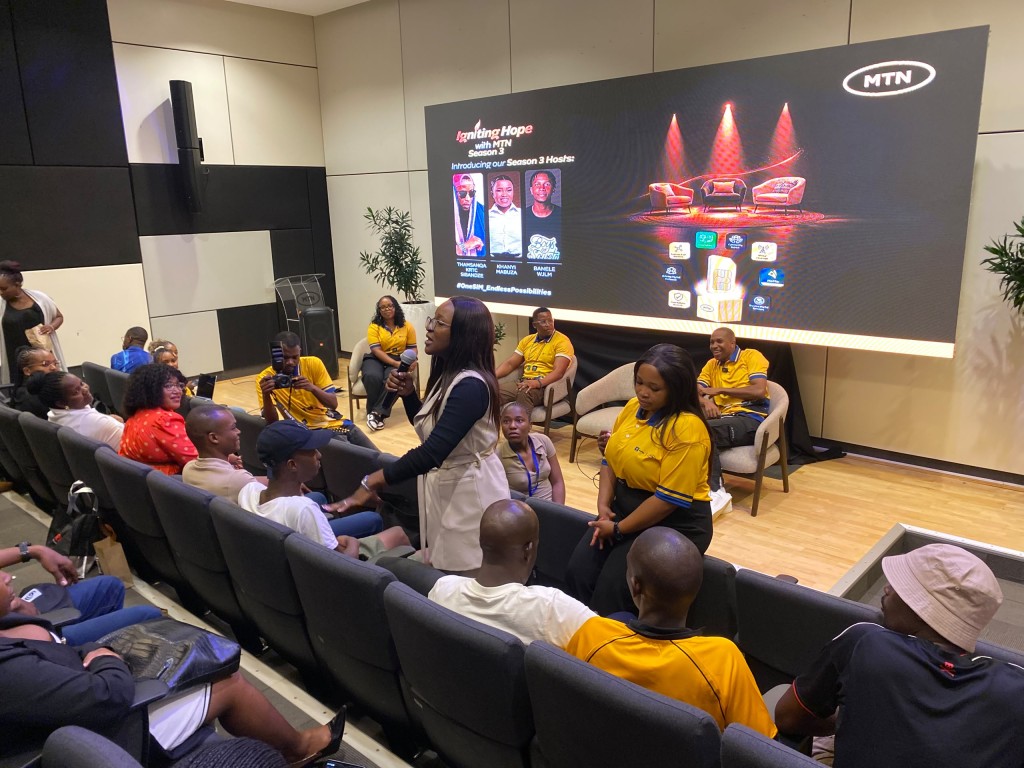
MTN Eswatini is taking its social impact conversations into a new season with the premiere of Igniting Hope With MTN Season 3, introducing three new hosts whose influence and engagement with community issues are expected to deepen discussions around financial resilience, mental health, and social development.
The latest season features Thamsanqa (KRTCOFHIPOP) Sibandze, Khanyi Mabuza, and Banele WJLM, bringing diverse perspectives and audiences to a platform that seeks to amplify conversations that are often overlooked yet have significant implications for individuals, families, and communities. The new line-up reflects an approach that recognizes that meaningful social impact requires more than corporate messaging, with informed conversations and the experiences of people working within communities playing an important role in identifying challenges and encouraging practical responses.
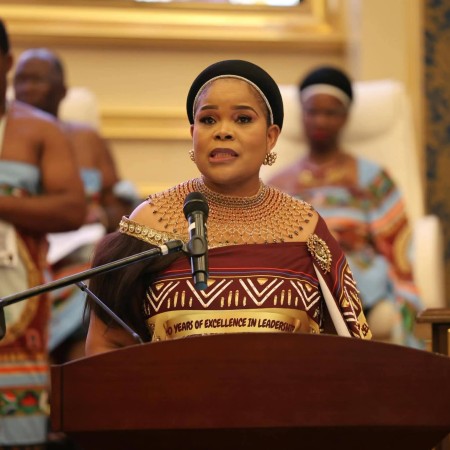
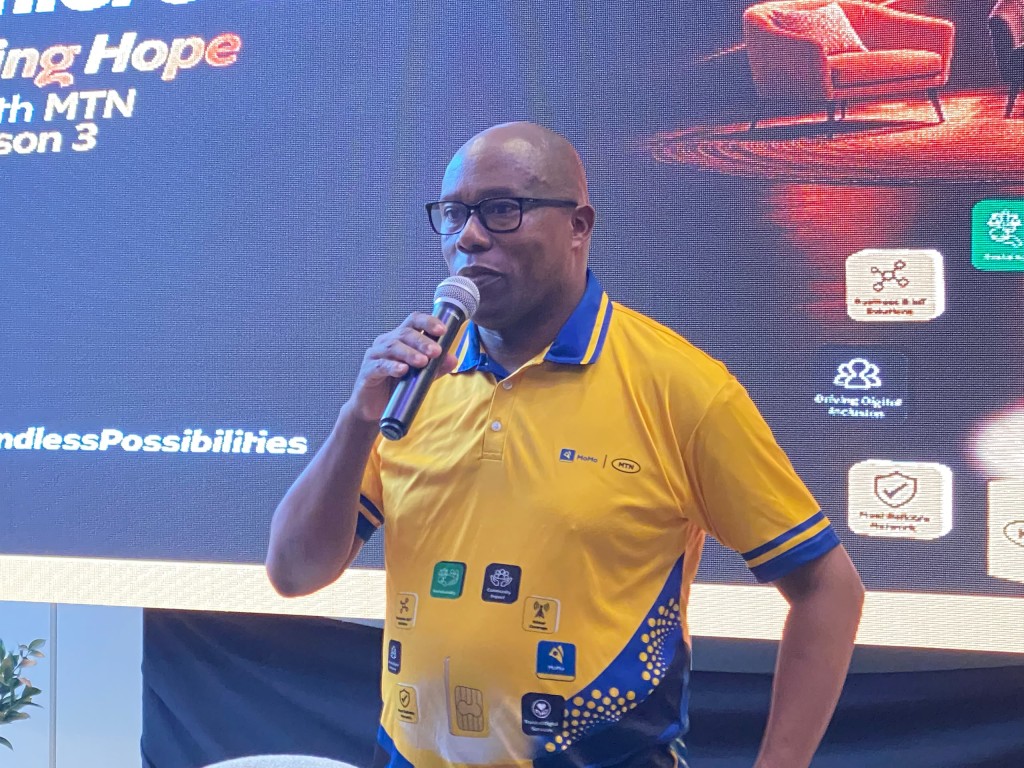
Speaking at the premiere, MTN Eswatini Manager of Corporate Affairs and Sustainability, Thandwa Thandwayinkosi Dlamini, explained that the decision to bring influential community voices into the program followed the company’s assessment of its previous seasons and its stakeholder engagement. She said MTN had initially embarked on the initiative through its first and second seasons, but subsequently recognized that several individuals had already been driving important conversations within society long before the company entered the space.

Dlamini explained that stakeholder engagements had exposed recurring social concerns that required greater public understanding, including gangsterism, mental health challenges, and disability inclusion. She noted that some problems only become visible to families and communities when they begin affecting people close to them, making it important to create platforms where such issues can be discussed before they escalate.
Her observation was that society could not afford to treat disturbing incidents as isolated occurrences without examining the underlying conditions contributing to them. Referring to cases involving family tragedies and suicide, she questioned whether communities had sufficient knowledge and awareness of mental health to recognize when people were struggling and provide appropriate support. “Could it be that we, as a society, need to be more educated about issues of mental health? Do we even know what mental health is?” Dlamini asked, highlighting the importance of public education and more informed conversations around psychological wellbeing.
Beyond mental health, Dlamini also raised questions about whether disability inclusion policies translate into practical accessibility at the community level. She argued that developing policies for people with disabilities was not sufficient if the intended beneficiaries remained excluded from the communities and opportunities those policies were supposed to make accessible. Her remarks point to a wider economic and social consideration: inclusive development must be measured not only by the existence of policies but also by whether people can participate meaningfully in education, employment, business, and other aspects of economic life.
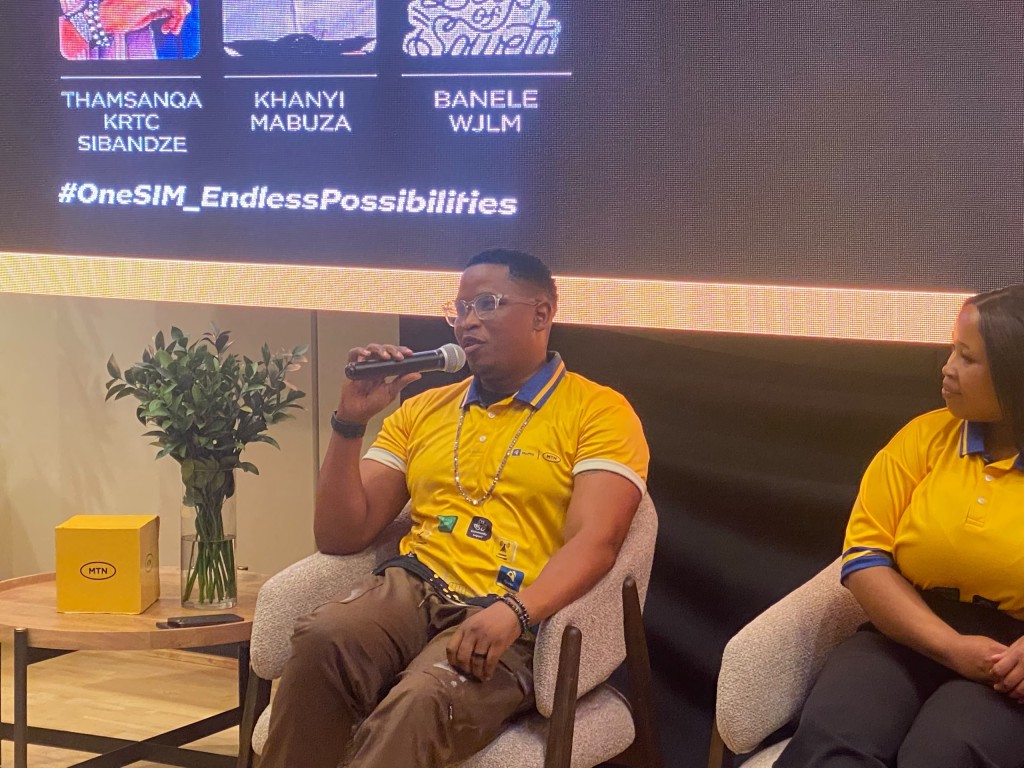
For the financial literacy component, Thamsanqa Sibandze identified the changing structure of income generation as one of the major issues explored through the program’s conversations. He argued that the traditional approach of depending on a single salary was becoming increasingly inadequate in an economy where the cost and demands of sustaining a livelihood required individuals to diversify their sources of income. “We have always heard that you need at least seven streams of income, but that was true 20 years ago. In 2026, the minimum is 10, at least just for you to survive in this kind of economy,” Sibandze said.
His argument centered on the need to move beyond conventional employment as the sole foundation of financial security, particularly as digital platforms have created opportunities for individuals to build businesses, monetize their skills, and reach customers beyond their immediate geographic markets. While the number of income streams he cited reflects his perspective rather than an established financial benchmark, the underlying message underscores the growing importance of income diversification, especially in an environment where dependence on a single employer exposes households to the financial consequences of retrenchment, salary interruptions, and economic uncertainty.
The discussion also brings into focus the distinction between having multiple income-generating activities and building sustainable sources of wealth. For individuals pursuing side hustles, the financial value of diversification ultimately depends on whether additional activities generate consistent returns, cover their operating costs, and contribute towards savings, investment, and asset accumulation. The digital economy may have widened access to commercial opportunities, but converting those opportunities into sustainable income still requires financial discipline, business planning, and an understanding of market demand.
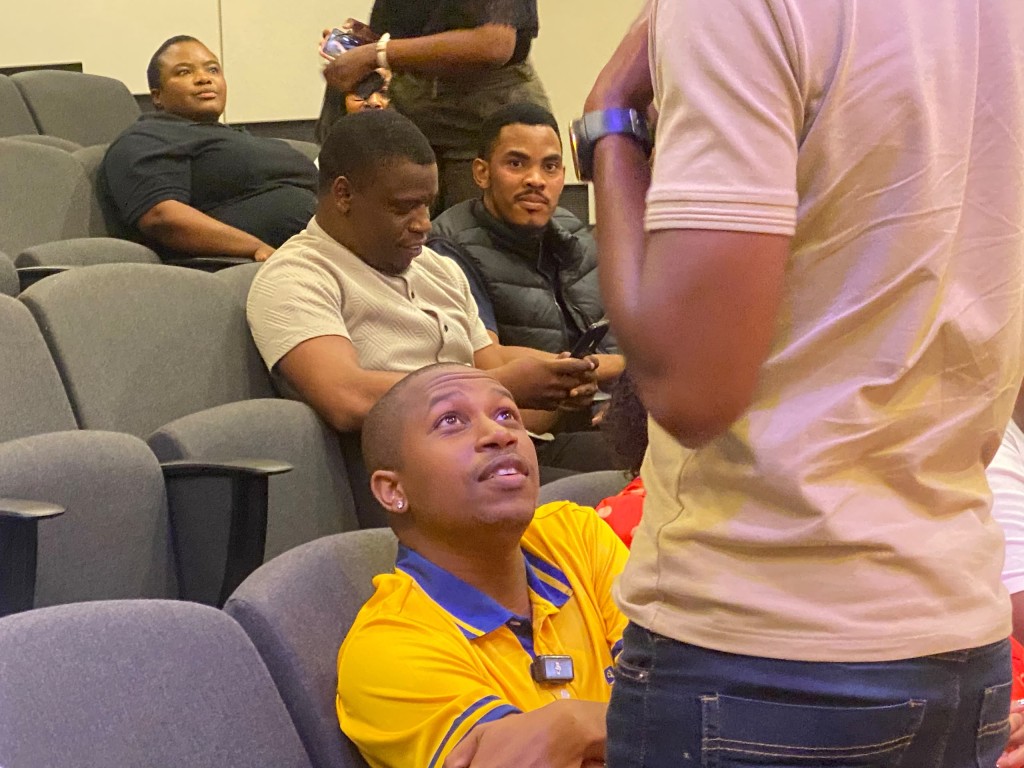
The program’s entrepreneurial dimension was further illustrated through a testimonial from Lethukuthula Mhlongo, one of the individuals interviewed in an episode hosted by Banele WJLM. Mhlongo’s experience provides a practical example of how early recognition of labor-market limitations can influence career decisions and create opportunities for self-employment and business development. Mhlongo explained that observing the employment difficulties faced by people who had completed their studies before him influenced his decision not to wait until graduation before considering alternative sources of livelihood. Rather than entering the labor market and subsequently confronting the frustrations of unemployment, he began developing an agricultural project immediately after completing his studies.
“Right after I graduated, I started my project of doing farming, so I borrowed some land from my mentor, and I started with tomatoes. That project was successful; I was able to make a lot of money,” Mhlongo said. The initial success enabled him to secure his own farmland and expand operations beyond a small-scale undertaking. He subsequently employed three people to assist with the business, while establishing supply relationships with Shoprite, Boxer in Siteki and Siteki Hotel. His progression from borrowing land to operating a farm with employees and established commercial buyers demonstrates agriculture’s potential as an avenue for enterprise development, particularly for young people who may not find immediate opportunities in formal employment.
Mhlongo’s experience also illustrates the importance of market access in determining whether small agricultural ventures can progress into viable businesses. Securing reliable buyers provides a foundation for production planning and revenue generation, while the ability to employ three additional people indicates that the enterprise has moved beyond personal income generation to contribute towards local economic activity. His account reinforces the importance of connecting aspiring entrepreneurs with productive resources, mentorship, and established market channels, rather than limiting support for entrepreneurship to motivational messaging.
Young people continue to face the challenge of transitioning from education into employment; experiences such as Mhlongo’s raise important questions about the role of agriculture and small businesses in expanding economic participation. They also demonstrate why entrepreneurship requires more than an individual decision to start a business, as access to land, working capital, technical knowledge, distribution networks, and dependable customers can determine whether an enterprise survives and grows.
The inclusion of Banele WJLM and Khanyi Mabuza alongside Sibandze also broadens the program’s reach, particularly among audiences who engage with social issues through digital media and community-led discussions. Their participation reflects the value of using familiar and influential voices to bring difficult subjects into mainstream conversations, while giving individuals with lived experiences an opportunity to contribute to discussions that extend beyond the studio.
For MTN, the third season represents an expansion of its social sustainability agenda, with the program positioning telecommunications and digital media as channels to strengthen public awareness, financial knowledge and community engagement. The initiative also reflects a broader understanding of corporate sustainability, in which businesses are increasingly expected to consider the social conditions affecting the communities in which they operate, alongside their commercial responsibilities.

Ultimately, the conversations emerging from Igniting Hope With MTN Season 3 connect three important dimensions of sustainable development: financially resilient households, economically active individuals and healthier, more inclusive communities. From Sibandze’s argument for diversifying income sources to Mhlongo’s experience of turning agricultural production into an employer-generating enterprise, the program presents practical examples of how individuals can respond to economic constraints. At the same time, Dlamini’s emphasis on mental health and disability inclusion highlights that economic participation cannot be separated from the social conditions that enable people to live, work and contribute meaningfully.
The challenge now is to ensure that these conversations translate into greater financial awareness, informed decision-making and tangible community action, rather than ending when the episodes conclude. For a country seeking to expand entrepreneurship, strengthen household financial security, and create opportunities for young people, platforms that connect lived experiences with practical knowledge play an important role.
The inclusion of Banele WJLM and Khanyi Mabuza alongside Sibandze also broadens the program’s reach, particularly among audiences who engage with social issues through digital media and community-led discussions. Their participation reflects the value of using familiar and influential voices to bring difficult subjects into mainstream conversations, while giving individuals with lived experiences an opportunity to contribute to discussions that extend beyond the studio.

For MTN, the third season represents an expansion of its social sustainability agenda, with the program positioning telecommunications and digital media as channels to strengthen public awareness, financial knowledge and community engagement. The initiative also reflects a broader understanding of corporate sustainability, in which businesses are increasingly expected to consider the social conditions affecting the communities in which they operate, alongside their commercial responsibilities.
Ultimately, the conversations emerging from Igniting Hope With MTN Season 3 connect three important dimensions of sustainable development: financially resilient households, economically active individuals and healthier, more inclusive communities. From Sibandze’s argument for diversifying income sources to Mhlongo’s experience of turning agricultural production into an employer-generating enterprise, the program presents practical examples of how individuals can respond to economic constraints. At the same time, Dlamini’s emphasis on mental health and disability inclusion highlights that economic participation cannot be separated from the social conditions that enable people to live, work and contribute meaningfully.
The challenge now is to ensure that these conversations translate into greater financial awareness, informed decision-making and tangible community action, rather than ending when the episodes conclude. For a country seeking to expand entrepreneurship, strengthen household financial security, and create opportunities for young people, platforms that connect lived experiences with practical knowledge play an important role.

Other Articles