





By: Nkosiyabusa Nsibande
Eswatini’s manufacturing sector expanded by 14.0% year-on-year in the second quarter of 2026, while construction activity contracted by 7.9%, according to the Central Bank of Eswatini’s Recent Economic Developments: August/September 2026. The contrasting performances reveal an uneven pattern of economic activity: industrial production remained strong, but construction, an important channel through which investment can generate demand for materials, contractors, transport and related services, weakened during the same period.
The construction decline was accompanied by a 10.1% year-on-year reduction in construction material imports, reversing the 2.1% growth recorded in the first quarter. According to the report, the contraction occurred despite the ongoing implementation of major projects. The simultaneous decline in construction output and material imports provides a stronger indication of weakness than either measure alone. However, imports are only one indicator of construction activity and do not establish that every category of building or infrastructure investment experienced the same slowdown.

For investors and businesses supplying the construction industry, the figures raise questions about project execution, procurement schedules, and the timing of expenditure. Construction activity depends on the conversion of project plans and financing commitments into work on the ground, including the purchase and delivery of cement, steel, machinery, and other materials. A delay in procurement or implementation can affect suppliers’ sales, contractors’ cash flows, and equipment utilization, even when a project remains formally active. The report does not identify the specific projects responsible for the decline, so it would be premature to attribute the contraction to funding shortages, delayed payments, or cancellations without additional evidence.
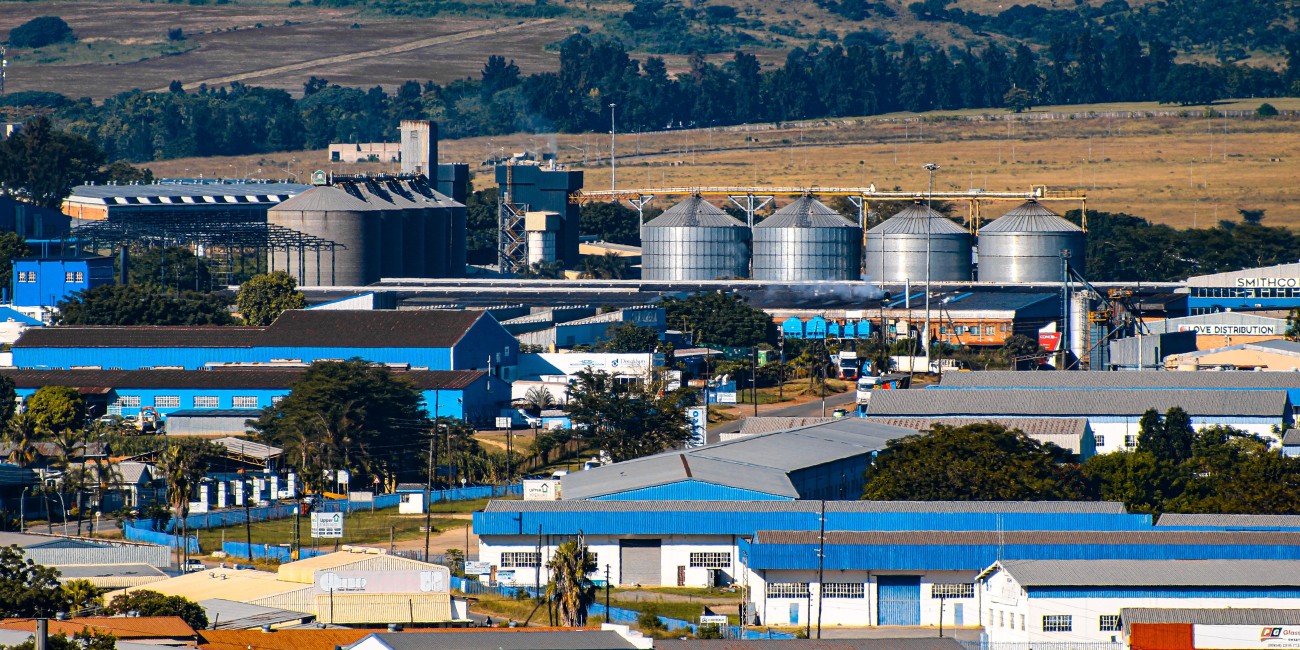
Manufacturing, by comparison, recorded stronger momentum. The sector’s 14.0% expansion exceeded the 12.3% growth recorded in the first quarter, supported by a 27.0% increase in food processing. Sugar production rose by 53.5% year-on-year, which the Central Bank attributed to an increase in the sugarcane-harvested area and improvements in sucrose and sugar yields. Non-food manufacturing also expanded, growing by 11.1%, supported by chemical products, cement, and other non-metallic products, although textile and apparel manufacturing contracted by 3.4% amid uncertain conditions in key export destinations.
These results matter because manufacturing growth can support a range of commercial activities beyond the factory gate. Higher production can increase demand for agricultural inputs, packaging, warehousing, distribution, maintenance, and transport services. However, the financial benefits depend on whether additional output translates into sales, margins, and reliable cash collection. A manufacturer can record rising production while facing pressure from imported input costs, inventory accumulation, or slow-paying customers, meaning that production growth should not automatically be interpreted as an equivalent increase in profitability.
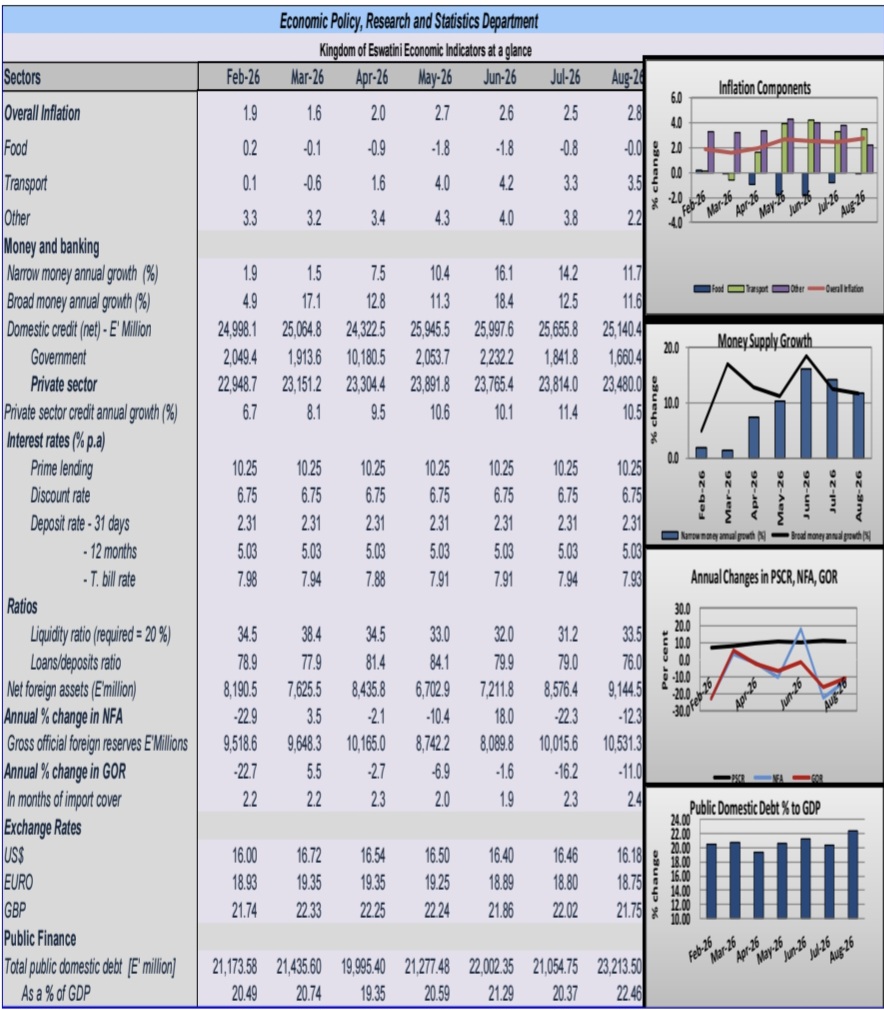
The report’s wider GDP figures reinforce this distinction. Real gross domestic product expanded by 6.5% year-on-year in the second quarter, up from a revised 5.9% in the first quarter, but quarter-on-quarter growth slowed to 0.7% from 2.6%. The Central Bank also recorded a 9.3% expansion in the primary sector, supported by mining and quarrying, while the tertiary sector grew by 4.1%. The headline growth rate, therefore, captures a broad expansion in economic output but conceals significant differences in the pace and direction of activity across industries.
For business owners, the uneven performance argues for more disciplined planning around sector exposure. A supplier dependent on construction contracts may face a different revenue outlook from a company serving sugar processors or mining operators. Businesses considering capital expenditure should therefore assess the order pipeline, customer concentration, expected utilization of new equipment, and the time required to recover the investment. Where revenue depends on a small number of large projects, the ability to withstand order or payment delays becomes as important as the expected return under normal operating conditions.

Lenders face a similar challenge when assessing credit risk. Strong manufacturing growth may support borrowing demand for machinery, inventory, and expansion, while weakness in construction could place pressure on contractors and suppliers whose income depends on project completion. Credit decisions need to reflect the borrower’s actual contracts, cash conversion cycle, debt obligations, and exposure to particular customers rather than relying on national GDP growth as a proxy for business performance. The report’s sector data help identify where risks may be emerging, but company-level financial information is needed to determine the extent of that exposure.
The key investment question is whether the strength in manufacturing will be accompanied by a recovery in construction and broader capital formation, or whether economic expansion will remain uneven across productive sectors. The August/September report establishes that manufacturing was growing rapidly while construction was contracting. Still, it does not provide sufficient evidence to conclude that investment is permanently shifting from one sector to another. For Eswatini’s businesses, the practical priority is to distinguish between sectors benefiting from current demand and those whose earnings remain vulnerable to delayed projects, uncertain export markets, or weak order books.
The next phase of economic growth will be more commercially meaningful if rising output is accompanied by sustained investment, productive capacity, and profitable business activity. Until construction activity and materials demand recover, the divergence between manufacturing and construction will remain an important indicator for investors, contractors, suppliers, and banks assessing where growth is translating into durable commercial opportunities.


Other Articles

Trade Surplus Falls By E570m to E2.65bn – CBE
E739.7 Million Immunization Plan Puts Prevention Costs in Focus


