





By Nkosiyabusa Nsibande
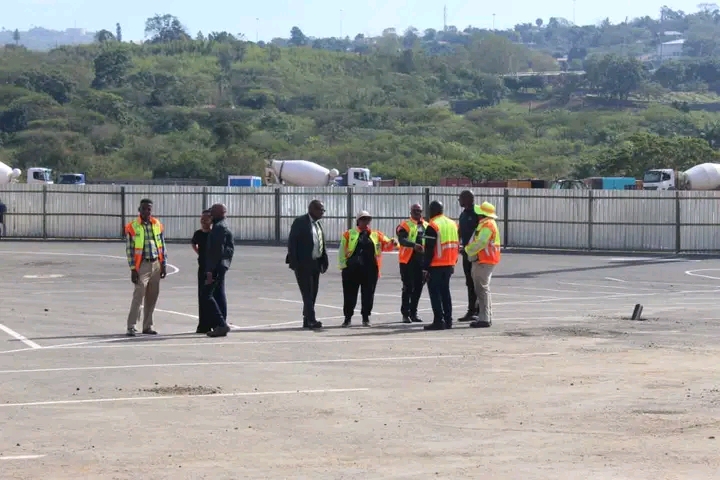
The planned relocation of Manzini’s main bus rank as part of the multi-million-emalangeni Manzini Mall development is raising concerns among informal traders who fear the move could disrupt customer traffic, reduce sales and threaten the livelihoods of hundreds of families that depend on the city’s informal economy.
For decades, the current bus rank has served as more than a transport facility. It has functioned as one of Manzini’s busiest commercial centres, creating a steady flow of potential customers for street vendors, food sellers, clothing traders and other small informal businesses operating around the area.
With buses expected to operate from three separate locations once the development begins, traders say they face an uncertain future as they prepare to lose the customer traffic that has sustained their businesses for years. Speaking on behalf of traders operating at Ka-Dobhaphansi, Terrence said the economic importance of the current bus rank goes beyond transporting passengers.
“The bus rank brings people from every part of the country and even from neighbouring countries such as South Africa and Mozambique. Those people do not only come to catch transport. Many of them buy food, clothes and other products from us before they leave,” he said.
According to the traders, the central location of the current rank has given them access to a large and diverse customer base. Whether people are visiting banks, government offices, retail stores or simply passing through town, many eventually find themselves purchasing goods from informal traders located near the transport hub. Terrence believes that advantage could disappear once buses are moved to different sites.
“When people are already in the centre of town, it is easy for them to buy from us. If transport operations are moved away from where we are trading, customers will no longer pass by naturally. We fear that many of them will simply go elsewhere,” he said. The concerns highlight the often-overlooked relationship between public transport and informal economic activity.
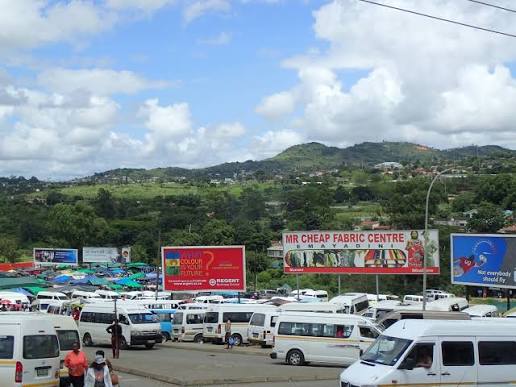
Transport hubs create high volumes of pedestrian traffic, providing informal traders with access to customers without having to invest heavily in marketing or expensive retail space. For many small businesses, visibility and foot traffic are among the most important drivers of daily sales. Traders say relocating the bus rank could therefore affect more than convenience. It could fundamentally change the business environment on which their operations depend.
Many vendors fear they will be forced to rebuild their customer base from scratch in unfamiliar locations while competing for attention in areas that may attract fewer people. “We have spent years building relationships with customers. Some people know exactly where to find us. Now we may have to start all over again,” Terrence said.
The traders warn that reduced customer traffic would directly translate into lower revenues at a time when many households are already struggling with the rising cost of living.
For many vendors, income generated from informal trading pays for food, rent, school fees and other household expenses. A decline in sales could therefore have consequences beyond the businesses themselves, affecting the financial stability of entire families. Despite their concerns, traders insist they support the development and modernisation of Manzini.
They believe the city needs improved infrastructure and welcome investments that can stimulate economic growth. However, they argue that development should not come at the expense of existing businesses that have contributed to the local economy for years.
“We are not against development. We are happy to see Manzini improving. What we are saying is that development should also consider the people whose livelihoods depend on these areas,” Terrence said. The traders are now calling for greater consultation between authorities and informal business operators before relocation plans are finalised.
They want government and municipal authorities to communicate clearly about relocation arrangements and use public awareness campaigns to encourage consumers to continue supporting informal businesses after the move. The vendors are also urging authorities to improve the condition of trading shelters as part of the broader redevelopment programme.
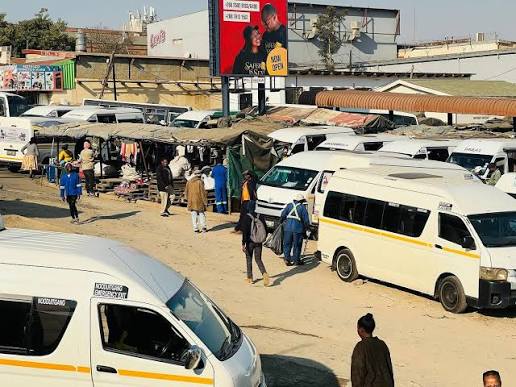
Terrence said many traders currently operate under structures that offer limited protection from weather conditions despite vendors paying fees to the municipality. “If the city is being modernised, the facilities used by informal traders should also improve. We contribute to the municipality and would like to see better trading spaces being provided,” he said.
As Manzini prepares for one of its most significant urban development projects in recent years, the concerns raised by informal traders point to a broader economic challenge: how to modernise urban spaces while protecting the small businesses that depend on them.
For many vendors operating around the current bus rank, the success of the project will not be measured only by new buildings and improved infrastructure, but also by whether the development creates opportunities for informal businesses to continue growing rather than pushing them to the margins of the city’s economy. The Manzini Municipal Council was unavailable for comment at the time of compiling this report.