






By: Nkosiyabusa Nsibande
The Ministry of Commerce, Industry, and Trade has signaled a stronger regulatory stance on mergers and acquisitions amid growing concerns that increasing market concentration could undermine competition, limit opportunities for small businesses, and weaken consumer welfare.
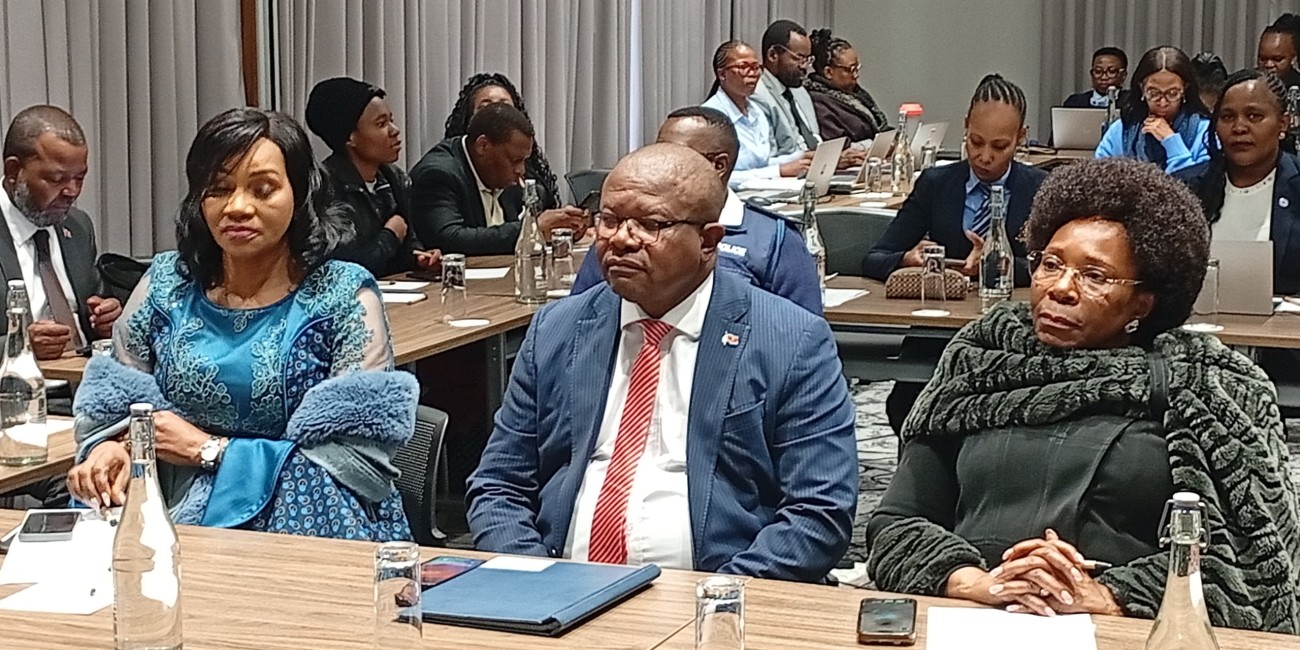
Speaking during a briefing to the Senate Portfolio Committee at the Hilton Garden Inn on Thursday, Minister of Commerce, Industry, and Trade Manqoba Khumalo said the government was reviewing and strengthening legislative and policy frameworks to ensure that economic consolidation does not come at the expense of fair competition, product quality, workers’ interests, and the growth of Micro, Small, and Medium Enterprises (MSMEs).
The engagement brought together senators, ministry officials, the Eswatini Competition Commission (ESCC), the Eswatini Standards Authority (ESWASA), and other departments operating under the ministry. The session focused on the mandate, operations, and strategic role of these institutions in supporting economic growth, consumer protection, and industrial development.
The discussion comes when competition policy is increasingly becoming a critical issue for emerging economies. While mergers and acquisitions can create efficiencies, attract investment, and strengthen businesses, regulators are becoming more cautious about transactions that result in excessive market concentration or reduce opportunities for smaller competitors.
Minister Khumalo warned that the government was closely monitoring developments within the domestic market to ensure that dominant firms do not abuse their position to the detriment of consumers and smaller enterprises. He noted that unchecked market concentration can reduce consumer choice, weaken innovation, and create barriers for new entrants seeking to participate in the economy.
According to the minister, Eswatini’s development agenda requires strong institutions capable of ensuring that markets function effectively and fairly while supporting industrialization, job creation, and consumer protection. He emphasized that economic growth must be accompanied by regulatory safeguards that preserve healthy competition across sectors.

The concerns raised during the committee meeting reflect broader questions about the structure of Eswatini’s economy and whether they adequately equipped current competition frameworks to respond to increasing corporate consolidation. Lawmakers sought clarity on how regulators assess mergers and acquisitions and the measures in place to prevent anti-competitive conduct.
For MSMEs, the issue carries significant economic implications. Small businesses often struggle to compete when larger firms gain substantial market power through acquisitions or consolidation. Such conditions can make it difficult for emerging enterprises to access markets, secure favorable supplier agreements, or compete in pricing.
The Eswatini Competition Commission plays a central role in addressing these challenges. According to the Commission’s mandate, it promotes fair competition, preventing anti-competitive conduct, regulating mergers and acquisitions, and protecting consumer welfare. They must assess mergers that have a significant effect on the Eswatini economy to determine whether they could lessen competition or create unfair market advantages.
According to the Commission, merger assessments consider factors such as market concentration, barriers to entry, the removal of competitors, and potential effects on consumers. Regulators may approve transactions, approve them subject to conditions, or prohibit them if they are found to be harmful to competition.
The committee also received updates on the role of the Eswatini Standards Authority in promoting quality assurance and supporting economic competitiveness. Effective standards are increasingly viewed as a key requirement for expanding exports, protecting consumers, and ensuring that businesses compete on fair competition.
The parliamentary briefing forms part of ongoing oversight efforts aimed at evaluating the effectiveness of institutions operating under the Ministry of Commerce, Industry, and Trade. Such engagements allow lawmakers to assess whether regulatory bodies are adequately fulfilling their mandates and responding to evolving economic challenges.
For investors, businesses, and policymakers, Thursday’s discussions highlight a growing recognition that competition policy is not a regulatory issue but a strategic economic tool. As Eswatini seeks to expand industrial activity, attract investment, and strengthen MSME participation, policymakers appear focused on ensuring that market power does not become concentrated in ways that limit broader economic participation.
The outcome of the proposed legislative and policy reforms could have far-reaching implications for the country’s competitive landscape, influencing consumer prices, business opportunities, employment prospects, and the ability of small enterprises to grow within a competitive marketplace.