




By: Nkosiyabusa Nsibande
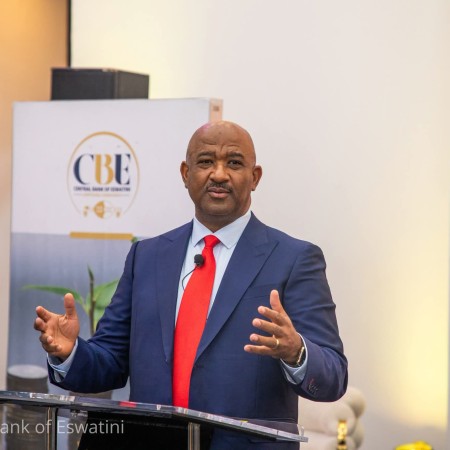
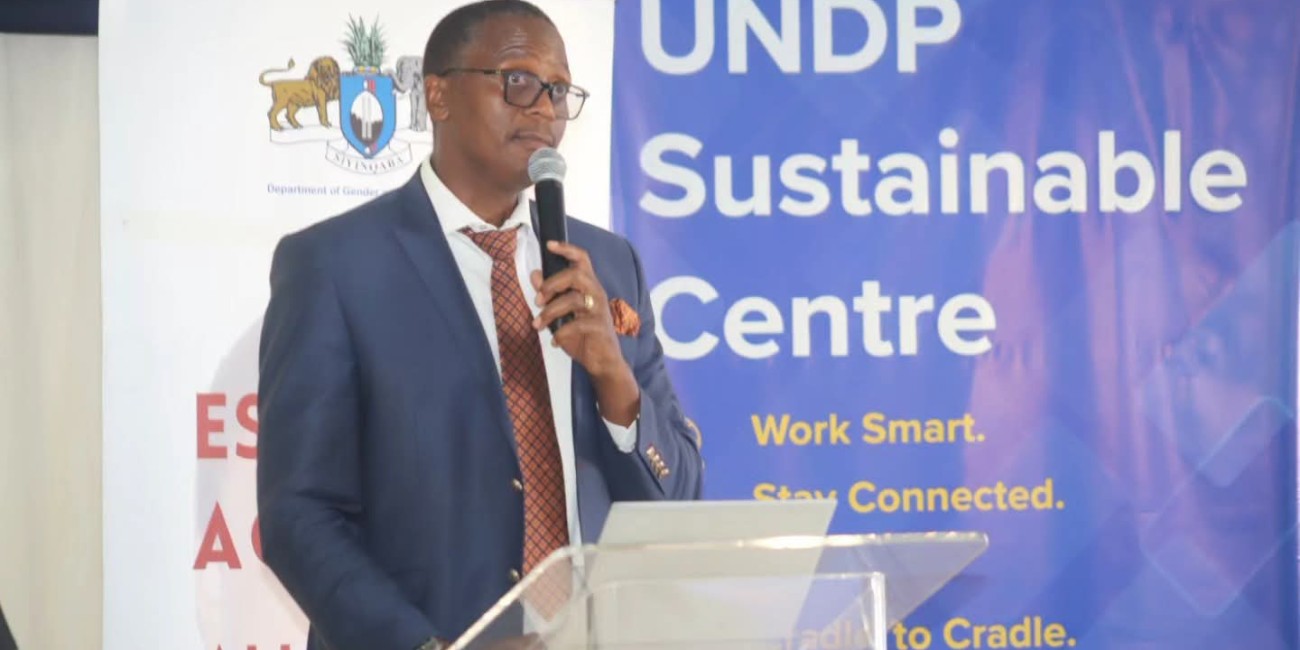
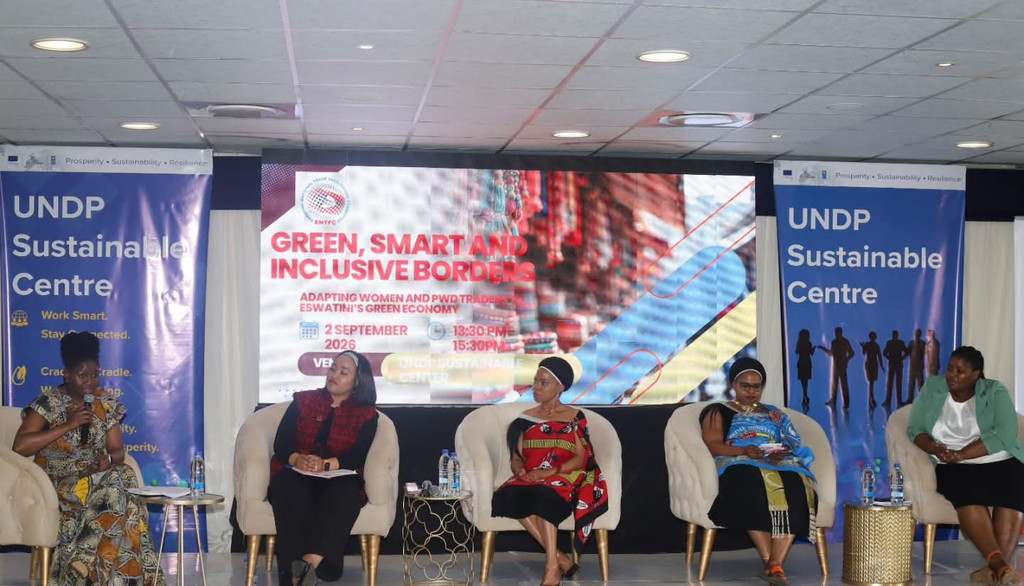
Eswatini stands at an inflection point where trade policy, climate resilience, and inclusive economic growth intersect. The recent seminar convened by the Deputy Prime Minister’s Office, in partnership with the National Trade Facilitation Committee (NTFC) and supported by UNDP and UNFPA, did more than highlight vulnerabilities; it advanced a pragmatic roadmap for integrating women, youth, and PWD cross‑border traders into the green economy. That integration is critical. Informal traders, predominantly women and younger entrepreneurs, constitute a significant share of regional commerce, yet they operate under systemic constraints that blunt their capacity to contribute to value creation, adapt to climate risks, and scale into formalized, higher‑margin activities.
A central takeaway from the session was the explicit linkage between AfCFTA’s continental objectives and national reform priorities. Policy coherence across these levels is not merely academic: it determines whether trade liberalization translates into tangible income gains for small traders or amplifies existing inequities. Delegates emphasized that, unless AfCFTA strategies are translated into border processes and support systems tailored for marginalized traders, the promise of expanded market access will remain unrealized. The seminar therefore pushed for a two-pronged approach: harmonize regulatory and procedural frameworks to reduce administrative friction at border posts and concurrently build targeted capacity for women, youth, and PWDs to participate competitively within green value chains.
Operational reform was another focus. The insights gathered will feed directly into Eswatini’s push for universal-access, paperless, and secure border post operations. For MSME cross‑border actors, paperless systems cut time and cost, reduce opportunities for rent‑seeking, and improve predictability, factors that are particularly beneficial for traders with limited liquidity and mobility. Importantly, digitization also creates audit trails and traceability that underpin compliance with green standards and facilitate access to certification schemes and value‑added markets. But the seminar made clear that technology adoption cannot be technocratic; it must be accompanied by user‑centric design, affordable digital literacy programs, and accessible infrastructure so that PWDs and low‑income traders are not left behind.
The green regional value chains discussed—ranging from sustainable horticulture and agro‑processing to eco‑friendly packaging and renewable energy inputs, present real revenue opportunities for Eswatini’s micro and small enterprises. Transitioning informal activities up the value chain requires deliberate interventions: targeted finance (blended concessional capital, guarantees), business development services (quality control, aggregation, and market intelligence), and incentives for private sector off‑takers to source from inclusive suppliers. Seminar participants underscored that women and youth producers often hold comparative advantages in specific niches, for example, indigenous crops, artisanal processed goods, and can rapidly scale when connected to regional distribution channels and compliance support.
Climate vulnerability remains a binding constraint. Informal traders frequently operate without insurance, savings buffers, or contingency plans, making them highly susceptible to shocks such as droughts or flood‑related disruptions to supply and transport. The session advanced adaptive strategies: promoting climate‑resilient crop varieties, investing in small‑scale cold chains and storage, and incorporating climate risk assessments into trade facilitation planning. Such measures simultaneously protect livelihoods and stabilize regional supply chains, benefits that resonate with investors and development partners seeking resilient, impact‑oriented returns.

Institutional collaboration emerged as a critical enabler. The NTFC’s role in convening trade‑sector stakeholders, together with UNDP and UNFPA’s technical and gender‑inclusion expertise, illustrates the multi‑stakeholder model required to operationalize inclusive trade reforms. Private sector actors and financial institutions were urged to align product offerings, microcredit, invoice financing, and digital payment solutions with the realities of cross‑border MSMEs. Regulators were called on to streamline documentation and reduce duplicative inspections while maintaining standards that enable access to higher‑value markets.
From a policy and investment perspective, the seminar outcomes suggest several priorities for FinGuard readers monitoring Eswatini’s market evolution. First, digital border facilitation is not optional; it is a prerequisite for unlocking informal trade flows into formal, bankable channels. Second, blended finance vehicles that absorb early‑stage risk and link certification to market access will be catalytic in scaling green value chains. Third, gender- and disability‑responsive interventions, designing products and processes with the specific needs of women and PWDs in mind, will deliver outsized development and commercial returns by expanding the supplier base and stabilizing local markets.
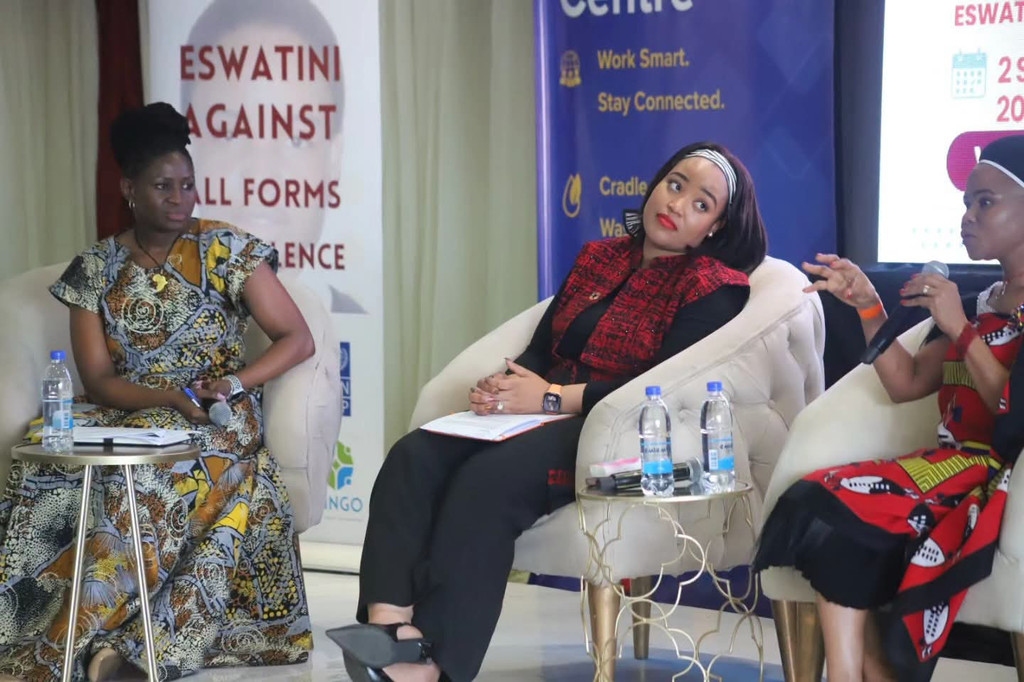
The momentum generated at EITF 2026 creates a window for public and private actors to coalesce around a shared implementation agenda. Translating seminar insights into measurable change will require concrete timelines, budget commitments, and performance indicators: reductions in border clearance times for MSMEs, increases in the number of women‑led exporters accessing regional markets, and quantitative uptake of paperless transactions by PWD traders. For financial institutions and impact investors, this metrics clarify where capital can be deployed to generate financial returns alongside social and environmental impact.
The seminar reaffirmed a strategic reality: inclusive trade facilitation anchored in digital, accessible border services and reinforced by targeted finance and capacity building, can position women, youth, and PWD cross‑border traders as engines of Eswatini’s green economic transition. For stakeholders watching the region, the imperative is now to operationalize commitments, align incentives across the value chain, and design interventions that convert informal resilience into formalized, sustainable prosperity.

Other Articles

MTN Backs Eswatini’s Green Entrepreneurs
MALKERNS PARKVIEW – PRIVATE CAPITAL DRIVES NEW COMMERCIAL GROWTH