





By: Nkosiyabusa Nsibande
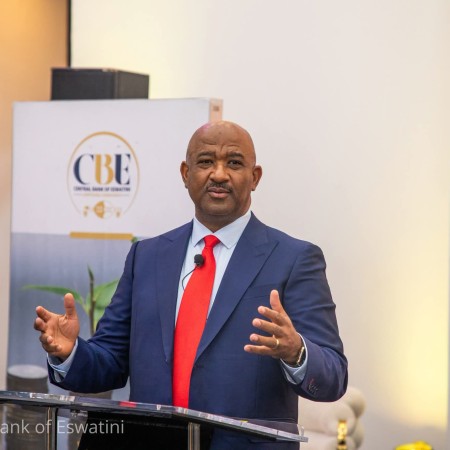
Eswatini’s central bank has secured a notable diplomatic and policy milestone with the elevation of Governor Dr. Phil Mnisi to the chairmanship of the African Financial Inclusion Policy Initiative (AfPI), the Africa-focused arm of the Alliance for Financial Inclusion (AFI). The announcement, made during the AFI Global Policy Forum in Port Moresby, Papua New Guinea, is more than ceremonial: it grants Eswatini a formal leadership role in setting continental priorities for financial inclusion at a time when digital transformation, regulatory harmonisation and inclusive recovery policy are high on Africa’s agenda. For a small economy like Eswatini, the role amplifies its voice in multi-lateral policy forums and provides a platform to both export domestic innovations and import best practices that can be adapted to local conditions.
AfPI convenes central banks, financial regulators and policymakers across the continent to design and implement policies that expand access to formal financial services, reduce exclusion, and build consumer protection and digital finance frameworks. As chair, Dr. Mnisi will be responsible for guiding the initiative’s agenda, facilitating technical cooperation, and liaising with the broader AFI membership which encompasses nearly 72 jurisdictions. This stewardship involves coordinating workstreams , from digital ID and payments interoperability to SME financing and financial education, ensuring that policy outputs meet both global standards and the operational realities of African markets. The appointment therefore signals an expectation that Eswatini will contribute substantively to shaping implementable policy, not merely provide representation.
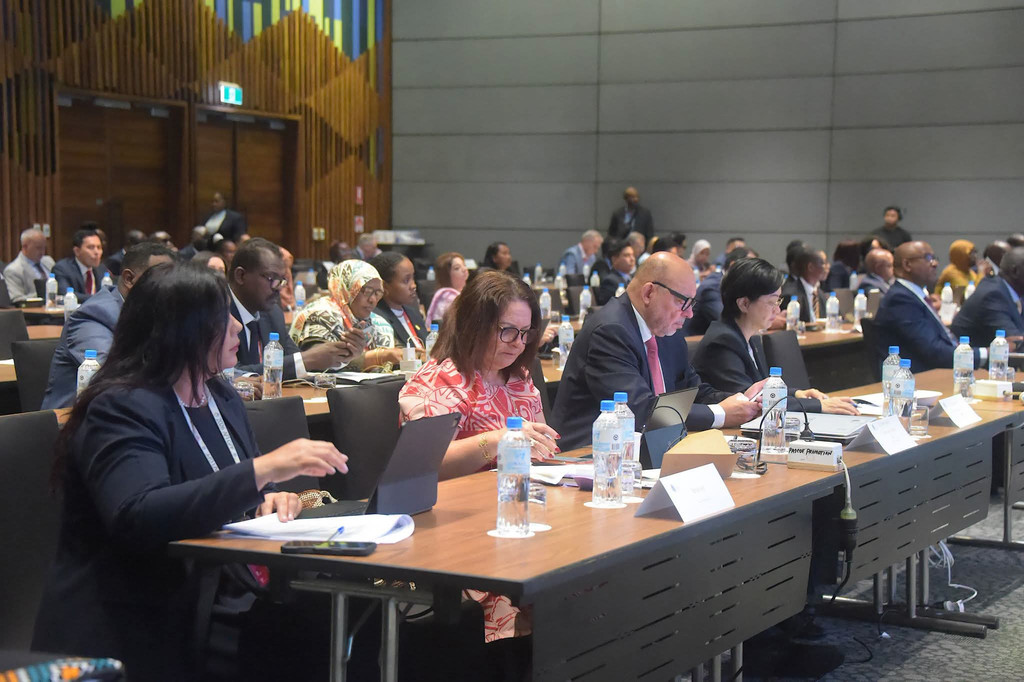
In his remarks recognising the handover, Dr. Mnisi paid tribute to the institutional contributions of prior leaders, notably Governor Dr. Johnson Pandit Asiama and Second Deputy Governor Mrs. Matilda Asante-Asiedu, as well as AFI’s former CEO Dr. Alfred Hannig and the AFI secretariat. That acknowledgement reflects a deliberate continuity in AfPI’s governance ethos: collaborative stewardship, peer learning and iterative policy design. For stakeholders in Eswatini and the region, it is a reminder that leadership in such for a requires diplomatic acumen, technical expertise and a commitment to translating high-level policy into measurable access and usage outcomes on the ground.
The timing of the chairmanship is significant. African economies are navigating post-pandemic recovery, accelerating digitisation of finance, and rising interest in cross-border payments and remittances. Regulators and policymakers must balance innovation with stability, ensuring that new delivery channels expand real access while protecting consumers and preserving financial integrity. Dr. Mnisi’s role offers Eswatini a seat at the decision-making table where these tensions are negotiated, presenting opportunities to influence standards for digital ID frameworks, interoperable payments, proportionate AML/CFT measures and inclusive credit-scoring methodologies that consider alternative data for the informally employed.
For Eswatini’s domestic financial sector, the chairmanship can catalyse concrete benefits. First, it may facilitate technical assistance and knowledge transfers that accelerate national reforms, for instance, modernising payment systems or strengthening digital onboarding rules, by drawing on AfPI peer networks and partnerships. Second, the visibility could attract collaborative projects with development partners, fintech firms and regional regulators aimed at piloting inclusive solutions tailored to micro, small and medium enterprises (MSMEs) and rural populations. Finally, by participating directly in continental policy formation, Eswatini can better align its regulatory environment with evolving regional standards, smoothing the path for cross-border financial activity and fostering investor confidence.

Nevertheless, effective stewardship will demand active follow-through. Chairing AfPI entails marshaling resources, convening stakeholders across varying capacities, and prioritising initiatives that yield measurable progress. Success will be judged not by symbolism but by tangible indicators: increases in account ownership and active usage, reductions in transaction costs, wider uptake of digital payments by merchants, and improved access to credit for underserved cohorts. To translate chairmanship into outcomes, Eswatini will need to leverage the central bank’s policy capacity, deepen public–private collaboration, and embed robust monitoring frameworks that track progress against clearly defined targets.
Dr. Phil Mnisi’s appointment as AfPI Chair represents a strategic win for Eswatini’s international policy profile and for its domestic agenda to expand financial inclusion. The role offers both influence and responsibility: influence to shape continental norms around digital finance and inclusion, and responsibility to ensure that policy translates into measurable, equitable gains for citizens and businesses. How effectively Eswatini exercises this mandate will determine whether the chairmanship becomes a springboard for lasting regional impact or a short-lived diplomatic highlight.


Other Articles
MTN Backs Eswatini’s Green Entrepreneurs