





By: Nkosiyabusa Nsibande
Eswatini has reaffirmed the strategic importance of development finance partnerships as governments increasingly contend with a changing international funding environment characterized by declining Official Development Assistance (ODA), shifting geopolitical priorities, and growing competition for development capital.
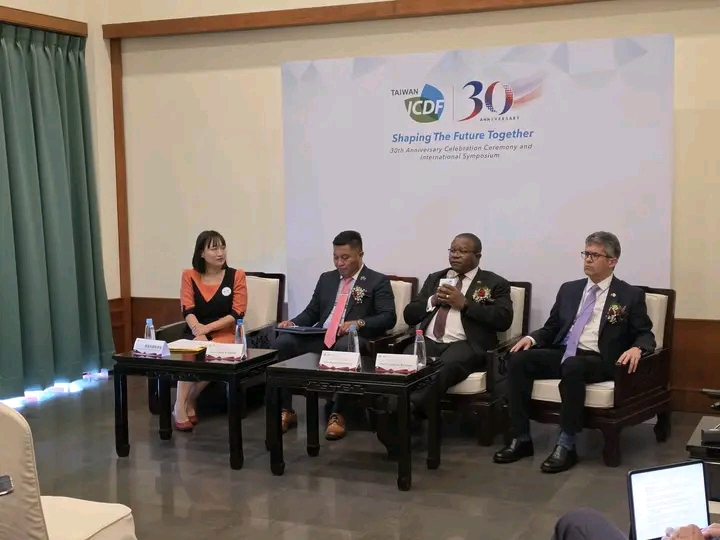
Representing the Kingdom at the 30th Anniversary of the International Cooperation and Development Fund (ICDF) in the Republic of China (Taiwan), the Minister of Commerce, Industry and Trade, Hon. Manqoba Khumalo participated in a high-level closed-door roundtable that examined how countries can adapt to an evolving global development cooperation landscape. The discussions centered on the financial implications of shrinking aid budgets among traditional development partners and the need for countries to diversify financing models that support sustainable economic development.
For developing economies, such as Eswatini, the discussion carries significant policy relevance. As concessional funding becomes increasingly constrained, governments are under growing pressure to leverage development finance more strategically by directing resources towards projects capable of stimulating private sector growth, strengthening productive sectors, and building long-term economic resilience. This shift requires development partnerships to move beyond conventional aid relationships towards financing mechanisms that generate measurable economic returns while supporting national development priorities.

During the roundtable, Minister Khumalo served as a panelist, where he outlined Eswatini’s experience in working with ICDF to mobilize development finance that contributes to the country’s economic development agenda. He highlighted the practical benefits that have emerged from the longstanding partnership and reaffirmed the Kingdom’s commitment to strengthening international cooperation that supports sustainable growth, economic resilience, and institutional capacity.
The Minister’s contribution reflected a broader recognition that development finance is becoming an increasingly important complement to domestic resource mobilization. While fiscal reforms, investment promotion, and private sector expansion remain central to long-term economic growth, international development partnerships continue to play an important role in financing capacity building, technical cooperation, and strategic investment programs that may otherwise struggle to attract commercial financing.
The event also underscored the growing importance of digital transformation within international development policy. Following the discussions, delegates adopted and signed the Joint Statement titled Investing in Resilience and Prosperity: Digital Innovation for a Sustainable Future, signaling a shared commitment to harnessing digital technologies to support inclusive economic growth, improve resilience, and advance sustainable development objectives.

For Eswatini, greater emphasis on digital innovation aligns with broader efforts to modernize the economy, improve the efficiency of public institutions, and create an enabling environment for business competitiveness. Investments in digital infrastructure and technology-driven public services have increasingly become important components of economic development strategies, particularly as governments seek to improve productivity, strengthen service delivery, and expand opportunities for businesses operating in a more digitally connected global economy.
The Kingdom’s participation in the ICDF anniversary discussions therefore extended beyond diplomatic engagement. It reinforced Eswatini’s intention to remain an active participant in international development finance conversations while positioning itself to benefit from partnerships that can support investment, innovation, and sustainable economic transformation during a period when global development funding is becoming increasingly selective and strategically targeted.