





By: Nkosiyabusa Nsibande
The government has allocated E15 million towards rebuilding sections of Eswatini’s border line fences in a move aimed at strengthening livestock biosecurity and reducing the long-term financial risks associated with Foot-and-Mouth Disease outbreaks. While the investment is primarily intended to prevent illegal cross-border cattle movement, it also represents an important economic safeguard for an industry that contributes significantly to rural incomes and agricultural production.
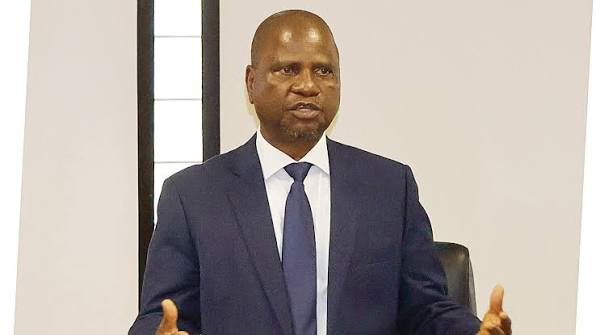
Speaking during a media briefing, Minister of Agriculture Mandla Tshawuka confirmed that 26 kilometers of border line fencing have already been renewed as part of the country’s disease prevention program. Additional reconstruction work will now be supported through a dedicated E15 million budget allocation. “We have already renewed 26 kilometers of border line fencing, while E15 million has been allocated for rebuilding additional border fences to prevent illegal cattle crossings that could spread Foot-and-Mouth Disease,” Tshawuka said.
Cross-border livestock movement remains one of the major pathways through which highly contagious animal diseases spread across Southern Africa. Weak or damaged veterinary fences expose countries to infections originating beyond their borders, potentially triggering movement restrictions, export suspensions, and significant financial losses for farmers.
From an investment perspective, strengthening veterinary infrastructure produces returns that extend well beyond construction costs. Every major disease outbreak avoided protects cattle assets, preserves agricultural productivity, and reduces Government expenditure on emergency vaccination campaigns, compensation programs, and disease surveillance.
The Minister also confirmed that the successful containment of Foot-and-Mouth Disease has enabled Government to begin easing certain movement controls. According to Tshawuka, “Because there are no active cases and no new infections, some checkpoints will now be removed, although checkpoints in unaffected areas will remain operational as part of ongoing surveillance.”
The gradual removal of selected checkpoints should improve livestock movement and reduce transaction costs for farmers transporting cattle to auctions, feedlots, and abattoirs. However, retaining surveillance infrastructure in strategic locations demonstrates that Government is balancing economic recovery with continued disease prevention.
Border infrastructure has increasingly become an important component of agricultural competitiveness rather than simply a veterinary requirement. Countries with stronger disease prevention systems generally experience fewer trade disruptions and are better positioned to meet international animal health standards required by export markets.
For Eswatini, the E15 million investment therefore represents more than spending on fencing. It is a strategic investment in protecting agricultural capital, preserving export potential, and reducing the financial vulnerability of the livestock sector to future disease outbreaks. As the country transitions from emergency response towards long-term prevention, infrastructure such as veterinary border fences is likely to become an increasingly valuable economic asset rather than merely a line of defense against disease.