






By: Nkosiyabusa Nsibande
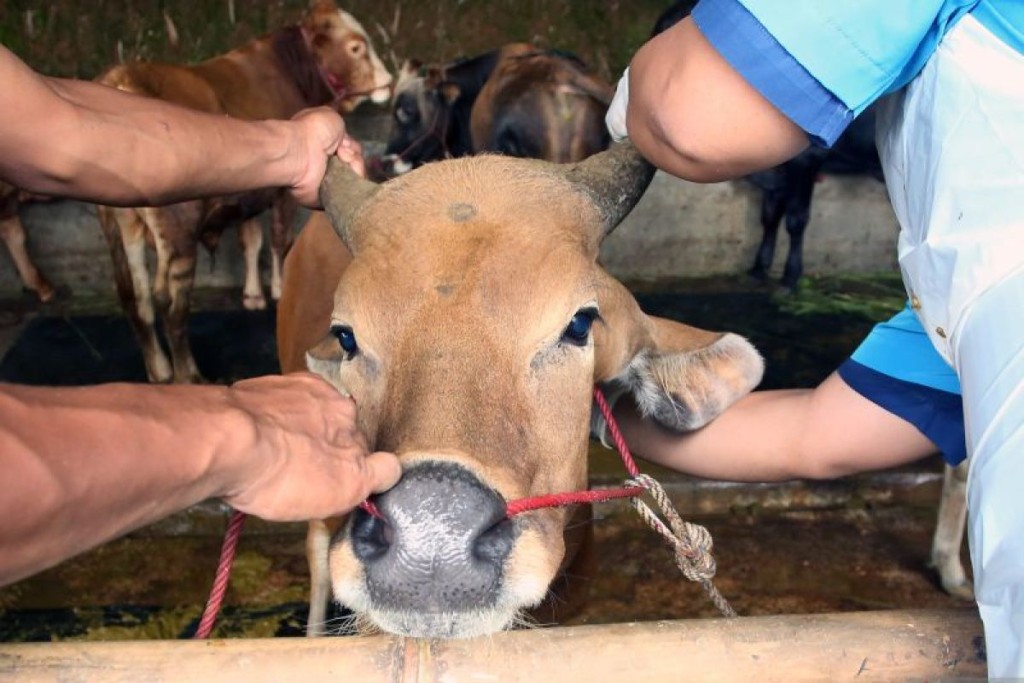
Eswatini has reached a critical milestone in its campaign against Foot-and-Mouth Disease (FMD), with Government confirming that more than four out of every five cattle in the country have now been vaccinated. While the announcement represents an important veterinary achievement, it also carries broader economic significance for one of the country’s most valuable agricultural industries. The progress reduces production risk for livestock farmers, strengthens confidence across the beef value chain, and improves prospects for restoring market access after months of movement restrictions.
Speaking during a media briefing at the Ministry of Agriculture boardroom, Minister of Agriculture Mandla Tshawuka announced that there are currently no active cases of Foot-and-Mouth Disease anywhere in the country and that no new infections have been detected. According to the Minister, 458,629 cattle have received vaccination against the disease from a national herd estimated at between 550,000 and 600,000 animals. The campaign has utilized 783,000 vaccine doses, with 329,971 cattle already receiving the required two-dose vaccination schedule. “The encouraging news is that there is no active Foot-and-Mouth Disease case currently in the country, and no new cases have been recorded,” said Tshawuka. “We have vaccinated 458,629 cattle, and used 783,000 vaccine doses, while 329,971 cattle have now received both vaccinations.”
The figures translate into an overall vaccination coverage of approximately 82 percent of the national herd, while vaccination coverage in areas previously affected by the outbreak has reached 72 percent. From a livestock health perspective, these levels substantially reduce the probability of widespread transmission. From an economic perspective, they also lower the risk of production losses arising from animal mortality, reduced productivity and prolonged trading restrictions.
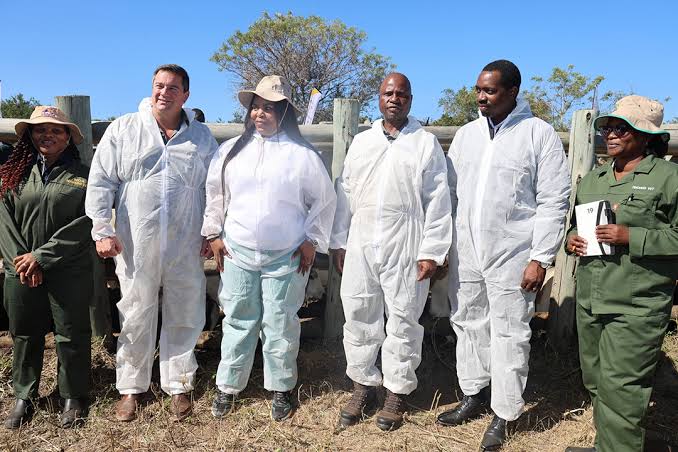
Tshawuka said the Ministry has now achieved what veterinary experts describe as “herd immunity”, a threshold where sufficient vaccination coverage limits disease transmission even where isolated infections might emerge. “We have reached what is referred to as herd immunity, which significantly reduces the ability of the disease to spread within the national herd,” he said.
For Eswatini’s agricultural economy, the achievement is significant because cattle represent both productive assets and household wealth. Beyond supplying beef and dairy markets, livestock serve as collateral, a source of income for rural households, and an important component of agricultural investment. Disease outbreaks therefore affect far more than animal health, influencing household balance sheets, agricultural lending, and export earnings.
Although the Minister confirmed that Foot-and-Mouth Disease has effectively been contained, he cautioned that another livestock disease, lumpy skin disease, is becoming more prevalent. This means veterinary surveillance and vaccination programs will remain important even as FMD restrictions begin to ease.
The Ministry indicated that some disease control checkpoints will gradually be removed in areas where the risk has substantially declined. However, checkpoints in unaffected regions will remain operational to prevent any future spread of infection.
For livestock producers, the latest figures indicate that the government’s extensive vaccination program is delivering measurable returns. By protecting the national herd, reducing disease risk, and supporting the eventual reopening of livestock markets, the campaign represents not only a veterinary intervention but also an investment in safeguarding one of Eswatini’s most important agricultural industries.