






By: Nkosiyabusa Nsibande
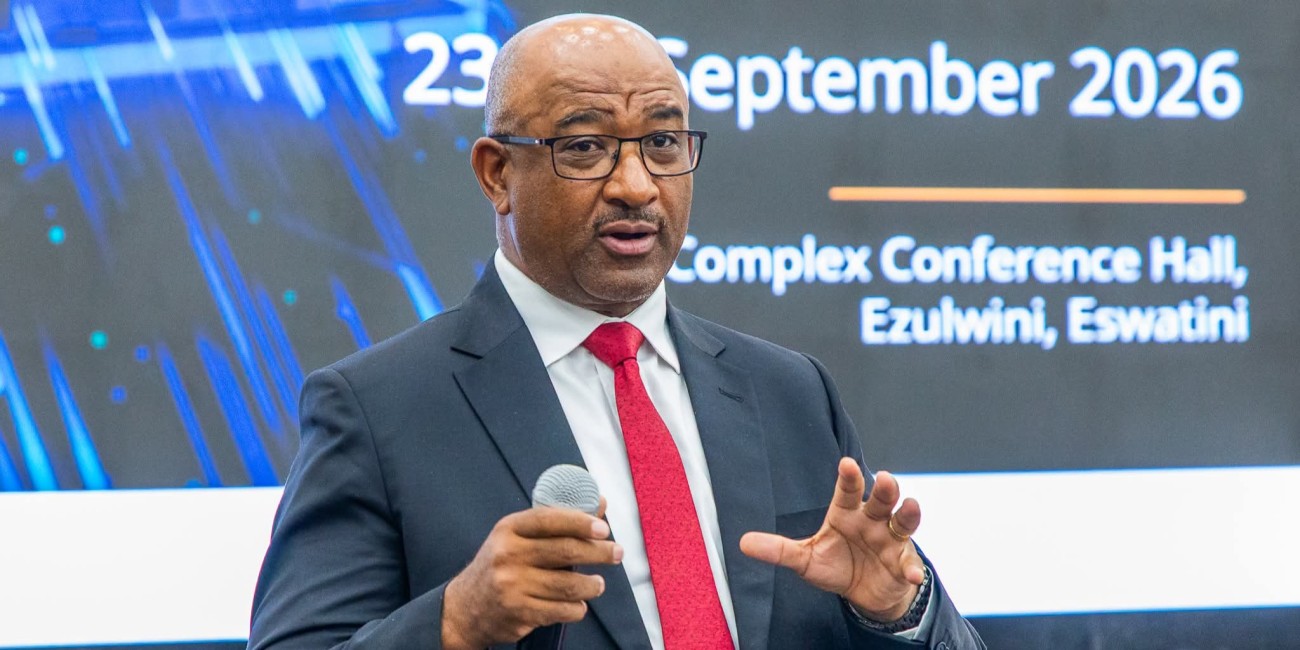
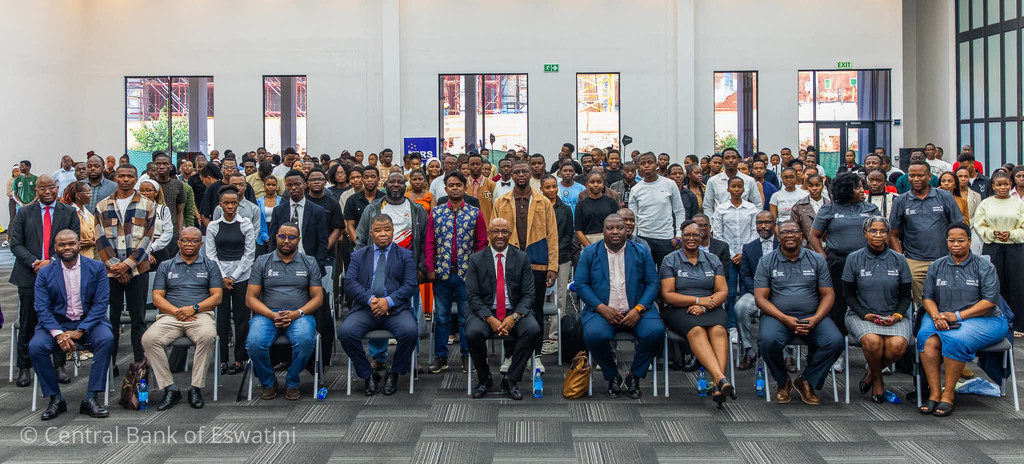
The growing role of technology in financial services and public-sector decision-making took center stage at the ongoing Indaba X 2026, where Central Bank of Eswatini Governor Dr. Phil Mnisi challenged stakeholders to consider how data and emerging technologies can improve the quality, speed, and effectiveness of economic decisions. The two-day forum is focused on shaping Eswatini’s transition towards a technology-driven economy, with discussions bringing together stakeholders around innovation, financial technology, and the practical application of digital tools.
Welcoming participants to the Indaba, Mnisi also announced the reintroduction of the Eswatini FinTech Working Group under a new identity, FinTech Forum Eswatini, which is hosting the event. The rebranding places the forum within a broader effort to create a platform through which financial technology developments can be discussed in relation to the country’s economic and regulatory environment, particularly as financial institutions, businesses, and government increasingly rely on data to inform decisions.

For the financial sector, the implications extend beyond the adoption of new technology. Better use of data has the potential to influence how financial institutions assess borrowers, identify underserved consumers, manage risk, and design products, while regulators can use technology to strengthen oversight and improve the way financial markets and institutions are monitored. The value of innovation, however, depends on whether it can be translated into practical applications that address real economic constraints.
Addressing students and young researchers attending the Indaba, Mnisi urged them to approach the discussions with a focus on application rather than simply acquiring knowledge. He said participants would hear how machine learning is already being used in areas including credit, financial inclusion, tax administration, and communications regulation and challenged them to turn those lessons into practical innovations. “Over the next two days, you will hear how machine learning is already being applied in credit, financial inclusion, tax administration, and communications regulation. Take this knowledge and use it for your innovations,” Mnisi said.
The Governor’s remarks point to an increasingly important intersection between financial technology and economic policymaking. In credit markets, for example, machine-learning applications can process large volumes of information to support credit assessment, while financial inclusion initiatives can use data to identify gaps in access to financial products and services. For public administration, data-driven systems can similarly strengthen tax administration and improve the capacity of authorities to identify trends, monitor compliance, and allocate resources.
For Eswatini’s financial sector, the significance of the discussion lies in how effectively these technologies can be incorporated into existing institutions and business models. Banks, non-bank financial institutions, regulators, and technology companies operate in an environment where access to reliable information is increasingly important for managing credit risk, protecting consumers, and expanding financial services. The challenge is, therefore, not simply to increase the use of technology but to ensure that technological investment produces measurable improvements in financial and economic outcomes.
The establishment of FinTech Forum Eswatini also provides a formal platform for continued engagement on these issues. As technology becomes more deeply integrated into financial services and regulation, sustained cooperation between policymakers, financial institutions, researchers, technology developers, and young innovators will be important in determining how effectively Eswatini converts technological advances into productive economic activity.
Mnisi’s message at Indaba X 2026 ultimately placed responsibility on the next generation of researchers and innovators to move the conversation from technological possibility to economic application. With machine learning already being applied across credit, financial inclusion, taxation, and regulation, the emerging opportunity for Eswatini lies in developing solutions that respond directly to the country’s financial and economic needs while improving the quality of decisions made by businesses, consumers, and public institutions.


Other Articles

Second Eswatini Urban Forum 2026 Coming As Municipalities Face Financing Gap
Eswatini, Tanzania Sign IPSAS Cooperation Deal