





By: Nkosiyabusa Nsibande
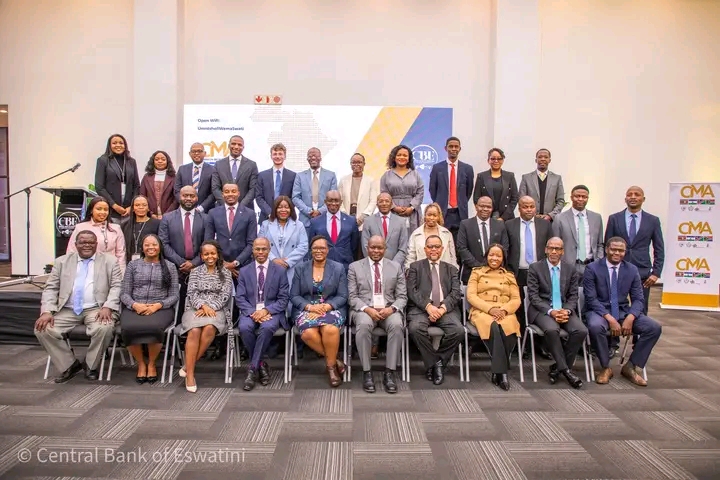
As global economic volatility continues to test the resilience of emerging markets, the Central Bank of Eswatini has placed regional policy coordination at the centre of efforts to safeguard macroeconomic stability by hosting senior officials from the Common Monetary Area (CMA) for a high-level quarterly meeting in Mbabane. The engagement signals the growing importance of coordinated monetary and financial sector policies as member states navigate an increasingly complex international economic environment characterized by inflationary pressures, shifting interest rate cycles, and heightened geopolitical uncertainty.
The quarterly meeting, which follows a similar engagement hosted in Namibia in March 2026, brings together technical officials responsible for monitoring economic conditions, assessing financial sector risks, and preparing policy recommendations for the region’s central bank governors. The deliberations serve as an important platform for aligning policy responses before strategic decisions are taken at the Governors’ Meeting, scheduled for tomorrow.
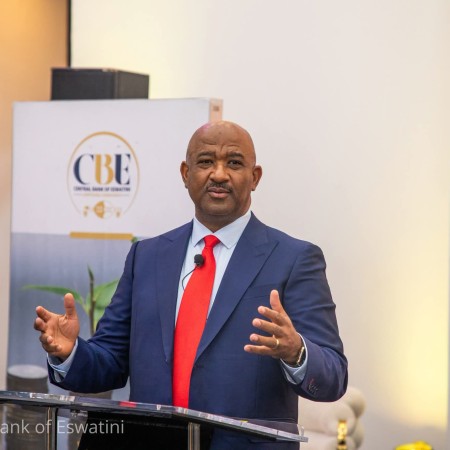
Opening the meeting, Central Bank of Eswatini Deputy Governor Felicia Dlamini-Kunene challenged delegates to ensure that regional cooperation evolves in line with emerging economic risks, arguing that maintaining confidence in monetary institutions will remain fundamental to sustainable growth and financial market stability. “To navigate the evolving landscape, we must focus our attention on maintaining price and financial stability and preserving the credibility of monetary policy frameworks,” said Dlamini-Kunene.

Her remarks reflect one of the most pressing challenges confronting central banks globally. While inflation has been moderated in many economies compared to the post-pandemic period, policymakers continue to balance the need to support economic growth without undermining price stability. For smaller open economies such as Eswatini, maintaining confidence in monetary policy is particularly significant, given the country’s close financial and trade integration with neighboring economies.
The discussions also highlight the strategic role played by the Common Monetary Area in fostering regional economic stability. The CMA, comprising Eswatini, Lesotho, Namibia, and South Africa, provides a framework for monetary cooperation that facilitates policy coordination and supports financial sector integration among member states. Such coordination has become increasingly valuable as external economic shocks are transmitted more rapidly through global financial markets, commodity prices, and international trade channels.

For Eswatini, participation in these engagements extends beyond routine policy dialogue. Decisions emerging from CMA consultations influence the broader financial environment within which commercial banks, businesses, and investors operate. Stable monetary conditions contribute to predictable borrowing costs, improved investor confidence, and a stronger foundation for long-term private sector investment, all of which are essential to sustaining economic expansion and supporting employment creation.
Tomorrow’s CMA Governors’ Meeting is expected to build on the technical discussions by reviewing developments in the global economy while receiving comprehensive assessments of financial stability across the region. The governors are also expected to consider evolving macroeconomic risks and examine whether existing policy frameworks remain adequate to preserve resilience amid continued global uncertainty.

As financial markets become increasingly interconnected, the importance of regional cooperation among central banks continues to grow. The Central Bank of Eswatini’s hosting of this strategic meeting reinforces the country’s commitment to collaborative policymaking, recognizing that safeguarding financial stability is no longer solely a domestic responsibility but one that increasingly depends on coordinated regional action.