





By: Nkosiyabusa Nsibande
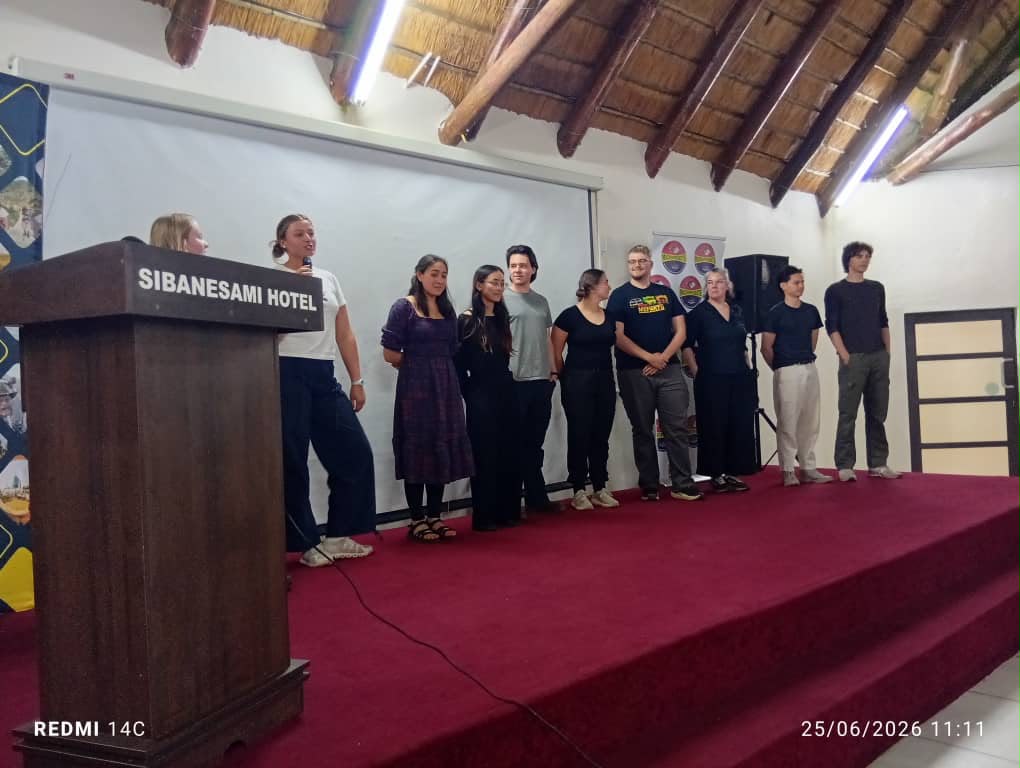
The arrival of 75 engineering students from universities in the United States and the United Kingdom to construct footbridges and water systems across Eswatini has once again highlighted an often-overlooked source of infrastructure investment flowing into rural communities.
While the initiative is largely framed as a volunteer and community development program, the economic significance of the project extends far beyond humanitarian assistance. The latest phase of the partnership between the Ministry of Economic Planning and Development and Engineers in Action, implemented through Microprojects Eswatini, represents an infrastructure injection worth more than E10 million into underserved communities, at a time when governments across Africa continue to grapple with rising development financing pressures.
The program, which began in 2017, has already delivered 44 footbridges and clean water systems across multiple communities and schools. This year’s expansion will see seven additional footbridges and water projects constructed in seven constituencies, further extending access to essential infrastructure in rural areas where seasonal rivers and inadequate water access continue to limit economic and social development.
From a financial perspective, the figures are significant. With each footbridge costing approximately E1.3 million to construct, the cumulative investment value of the program has grown into tens of millions of emalangeni over the past nine years. Unlike traditional government-funded infrastructure projects, the capital required for these developments is being mobilized externally through American donors supporting Engineers in Action, effectively bringing foreign-funded infrastructure investment directly into local communities.
The economic impact of such investments extends beyond the physical structures themselves. In many rural areas, rivers become impassable during rainy seasons, cutting off communities from schools, health facilities, markets, and economic opportunities. By providing all-weather access, footbridges reduce transportation disruptions that often carry hidden economic costs for households and businesses. Reliable access routes can improve labor mobility, facilitate the movement of agricultural produce, and lower the time costs associated with accessing public services.
Adding clean water systems further strengthens the developmental return on investment. Access to safe water has direct implications for public health, educational outcomes, and household productivity. Communities with reliable water infrastructure typically experience reductions in waterborne diseases, fewer school absences, and improved economic participation, particularly among women and children who often bear the burden of water collection in rural settings.
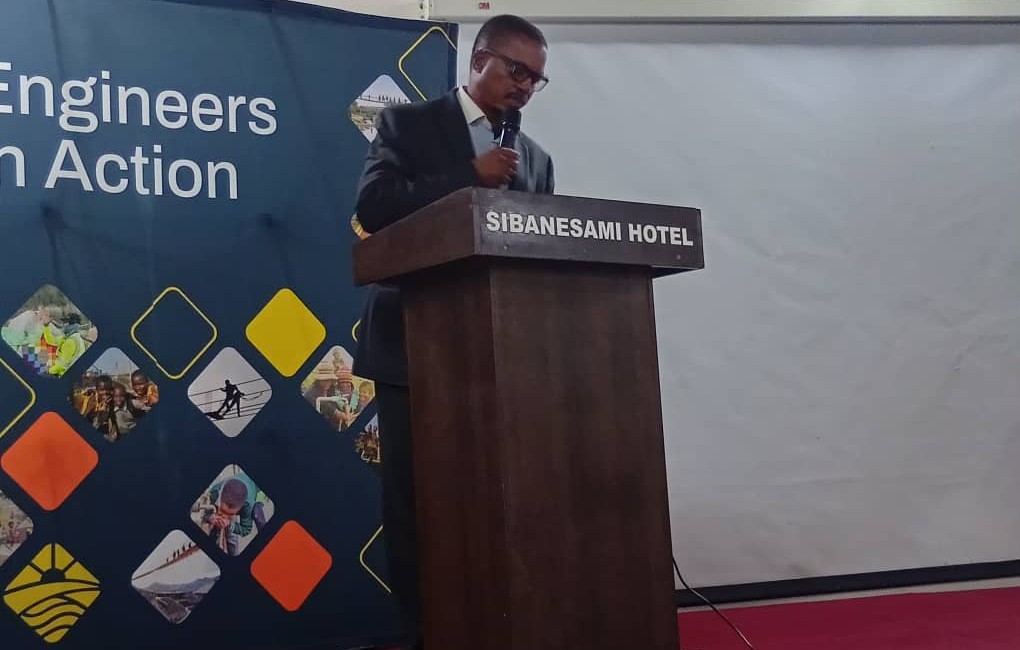
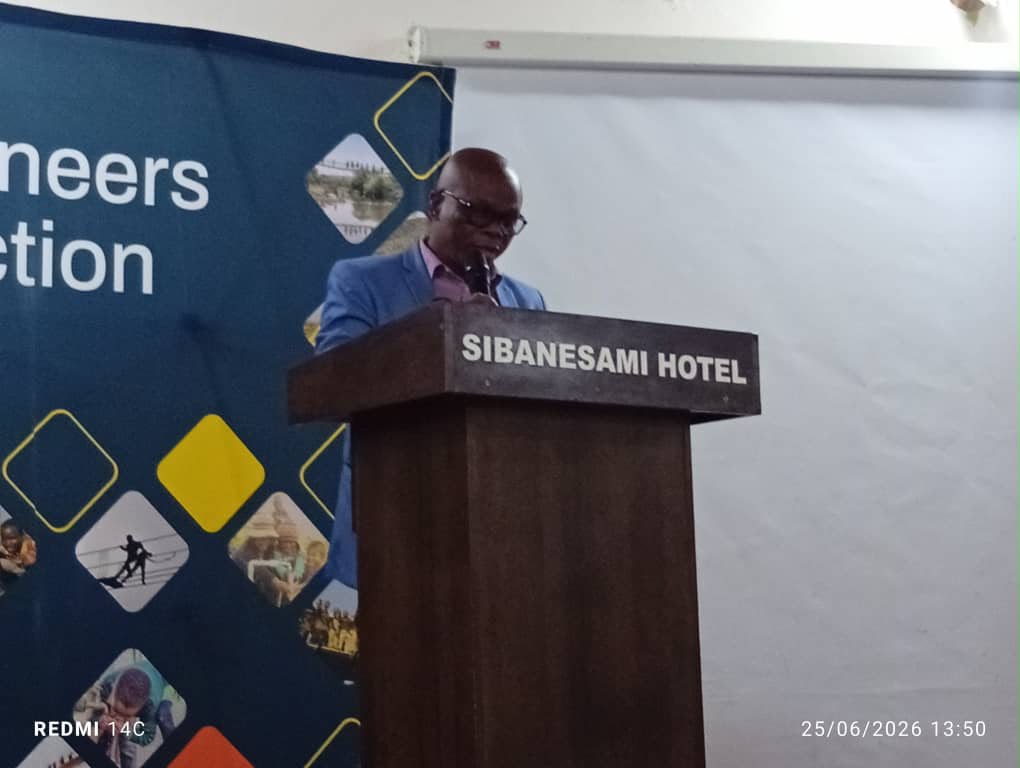
Speaking during the official welcome ceremony, Microprojects Eswatini Director Sibusiso Magongo emphasized the durability of the infrastructure being delivered through the program. He noted the footbridges are designed to withstand seasonal flooding and are expected to remain operational for approximately 15 years before requiring significant maintenance. Such longevity substantially improves the economic value generated from the initial investment by spreading infrastructure benefits across multiple generations of users.
The program is also entering a new phase with plans to introduce borehole drilling capacity. According to project representatives, Engineers in Action intends to bring a borehole drilling machine to Eswatini to support future clean water initiatives. This development might reduce future project implementation costs while expanding access to potable water in schools and rural communities that continue to face water supply challenges.
Project Manager Anna indicated that by the end of 2026, the program is expected to have positively impacted more than 100,000 emaSwati, equivalent to roughly 10 percent of the country’s population. If achieved, that scale would place the initiative among the more significant community infrastructure programs operating in rural Eswatini, particularly given its targeted focus on areas that often struggle to attract large-scale infrastructure investment.
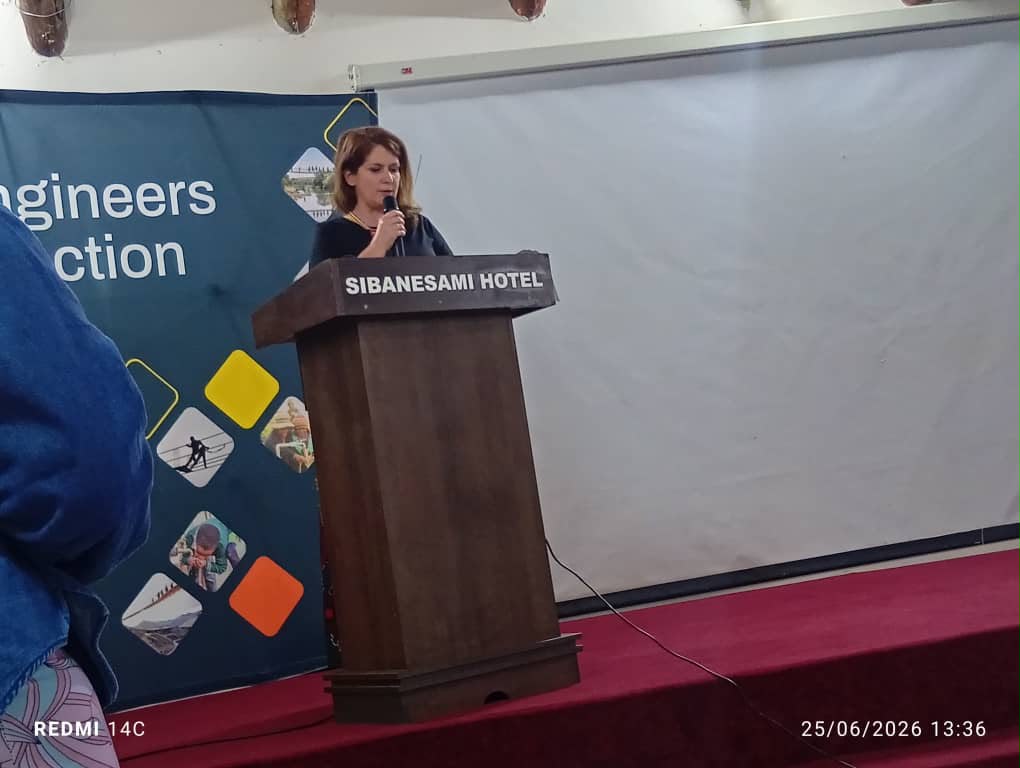
Principal Secretary in the Ministry of Economic Planning and Development Thabsile Mlangeni described the initiative as an investment in health, education, and community development rather than simply a construction exercise. Her remarks underscore a growing understanding among policymakers that infrastructure investments generate broader economic returns when they address multiple development challenges simultaneously.
The program also offers an important lesson for development financing in Eswatini. As fiscal pressures continue to constrain public infrastructure budgets, partnerships that combine international expertise, donor financing, and local implementation capacity are increasingly becoming an important complement to government-led development efforts. The success of the Engineers in Action model demonstrates how targeted infrastructure investments can generate measurable social and economic benefits while leveraging external capital that would otherwise not flow into rural communities.
However, the long-term sustainability question remains critical. While donor-funded projects can accelerate development outcomes, maintaining infrastructure assets beyond their initial construction phase will ultimately require continued community ownership, local technical capacity, and maintenance financing mechanisms. The true economic legacy of these investments will therefore depend not only on the structures being built today but also on the systems established to preserve them for future generations.
For now, the latest E10 million commitment represents more than a charitable contribution. It is a reminder that strategic infrastructure investments, even when delivered through unconventional financing models, can create lasting economic value by connecting communities, improving access to essential services, and laying foundations for broader rural development.