


By: Nkosiyabusa Nsibande
The E124 million spent on the first phase of the Manzini Mall development is more than a construction cost. It is a public investment intended to reshape the commercial geography of Eswatini’s busiest city and create the infrastructure foundation required for large-scale private sector growth.After 18 months of construction, Phase 1 of the project is approaching completion, bringing the government closer to delivering the roads, transport facilities, and supporting infrastructure needed to unlock what is expected to become one of the country’s most significant retail and commercial developments.
While much of the public attention has focused on the future mall itself, government officials say the real value of the E124 million investment lies in the infrastructure being built around it. The expenditure has funded road construction, road rehabilitation, and transport infrastructure upgrades designed to improve accessibility, reduce congestion, and increase the attractiveness of Manzini as an investment destination.
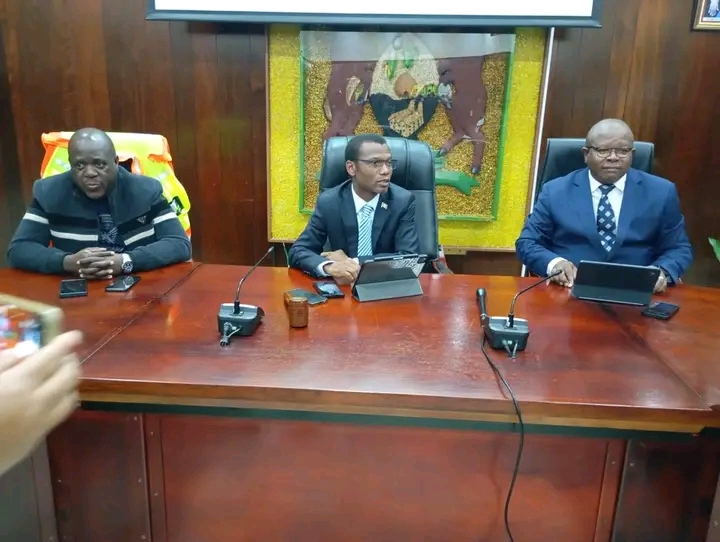
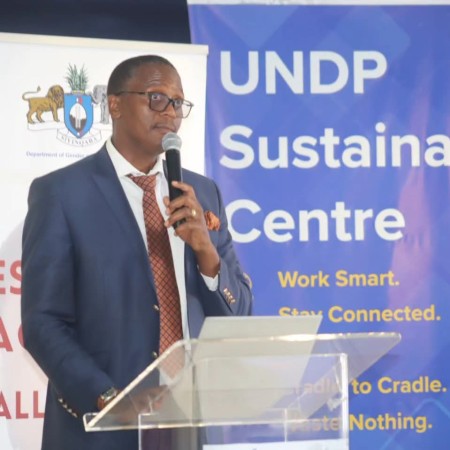
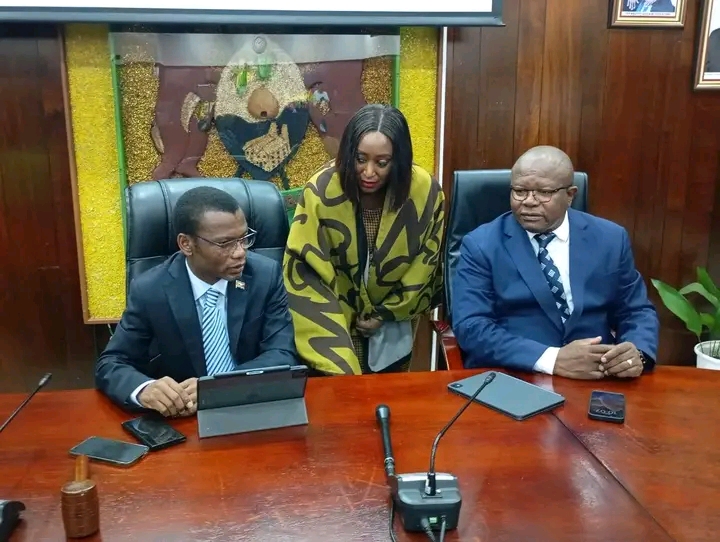
Speaking during a project update, Minister of Commerce, Industry, and Trade Manqoba Khumalo said the government’s role is to ensure that private investors have the infrastructure necessary to operate and expand.
“I would like to thank Minister Apollo Maphalala and the Municipality of Manzini for the work they have done on this project,” said Khumalo. “Our responsibility as the Ministry of Commerce, Industry, and Trade is to support the private sector investment being made through the Manzini Mall project while improving the city’s infrastructure.”
His remarks highlight a development model increasingly being adopted across emerging economies, where the government funds the enabling infrastructure while private investors provide the commercial capital. The aim is to reduce investment barriers, stimulate business activity, and generate long-term economic returns through increased commerce, employment, and urban growth.
The first phase, which began on July 25 last year under contractor Steffanuti Stocks, was designed to run for 18 months. With the infrastructure nears completion, the government has already appointed a contractor for the next stage. Khumalo confirmed Shenke has secured the contract for the upcoming phase and will work alongside WBHO and J&E Construction.
For Manzini, the country’s commercial hub, the project represents one of the most ambitious attempts in recent years to modernize urban infrastructure while simultaneously creating space for new private investment. The development is expected to alter traffic flows, improve transport efficiency, and strengthen the city’s ability to accommodate future commercial expansion.
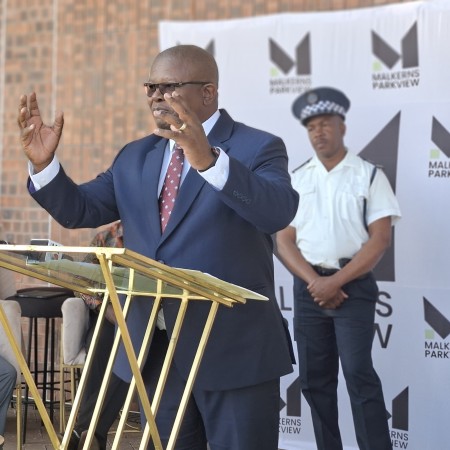
Director of Technical Services at the Ministry of Commerce, Industry, and Trade, Bonginkosi Simelane, said the infrastructure component has been designed not only to support the mall development but also to address longstanding transport and mobility challenges within the city.
“The completed bus rank will be more than double the size of the existing facility,” said Simelane. “We will build improved roads, reconstruct old roads, and construct a bridge linking the town area to the vicinity of Mavuso Stadium.”
He explained that the project has been divided into three major phases. The first phase focuses on transport and road infrastructure; the second phase will deliver the commercial complex itself, while the third phase will involve construction of a bridge intended to ease traffic congestion and improve connectivity between key parts of the city.
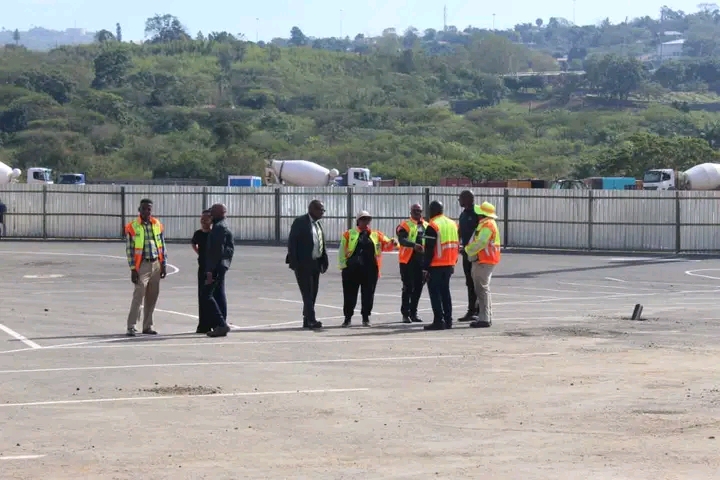
According to Simelane, they have already completed several roads while others remain under construction. The entire project is expected to reach completion in March next year. From an economic perspective, the investment could have implications beyond the immediate construction sector. Improved transport infrastructure reduces travel times, lowers operating costs for businesses, and increases the value of surrounding commercial property. Such developments can also attract new investors seeking locations with modern infrastructure and efficient logistics networks. However, the transition will not come without short-term disruption.
The redevelopment requires relocating transport operations from the existing bus rank, a process that will affect commuters, transport operators, and informal traders who depend on daily activity within the precinct. Simelane said authorities have already engaged transport associations and vendors likely to be affected by the changes.
“Operations at the bus rank will be disturbed because of the relocations, but we have held meetings with all transport associations and informal traders,” he said. “The handover of the old Trade Fair bus rank site will take place on June 19, while it will hold a detailed briefing on how operations will function during the relocation period on June 15.”
Transport operators have welcomed the development, viewing it as a long-overdue response to growing congestion within the city’s transport network. Transport Council Chairperson Sabelo Dlamini said operators are prepared for the transition and understand the long-term benefits of the project.
“We are happy about the development taking place in Manzini, and we are ready to occupy the new temporary bus rank site,” he said.
The need for expansion has become apparent as vehicle numbers continue to rise. Swaziland Local Transport Association Chairperson Derrick Dlamini said the current facility is no longer capable of handling demand. “These developments will help us a lot because the current bus rank is overflowing with buses and local kombis,” he said, noting that 3,000 vehicles utilize the facility. For transport operators, the temporary relocation may create operational challenges, but industry leaders say the long-term gains outweigh the short-term inconvenience
Bus Owners Association Deputy Chairperson Joshua Masilela acknowledged that customer movement patterns may change during the transition period, but stressed that the industry remains committed to supporting the project. “We will not stand in the way of development,” said Masilela. “There may be challenges because of the changes, but we are ready to move forward with development.”
The success of the E124 million first phase will not be measured by the kilometers of road built or the concrete poured over the past 18 months. Its true value will be determined by whether the investment attracts new business activity, increasing commercial opportunities, and strengthening Manzini’s position as Eswatini’s primary economic center. If they achieved those objectives, the infrastructure now taking shape will represent far more than a construction project,it will be a long-term investment in the city’s economic future.