






By: Nkosiyabusa Nsibande
The Eswatini Revenue Service (ERS) has begun laying the groundwork for what could become one of the country’s most significant tax administration reforms in recent years, with the introduction of a national electronic invoicing system designed to modernize VAT administration and strengthen tax compliance across the economy.
Rather than being viewed merely as another digital government initiative, the e-Invoicing Solution represents a fundamental shift in how businesses will record, report, and validate commercial transactions. For companies operating within Eswatini’s wholesale and retail sectors, where thousands of VAT transactions are processed every day, the reform will require businesses to transition from conventional invoicing methods to a digital system that enables real-time reporting and verification of tax invoices.
ERS has already initiated structured stakeholder engagements with representatives from the wholesale and retail industry, bringing together business owners, tax practitioners, and sector associations to explain how the new system will operate, the legal framework supporting its implementation, expected timelines, and the support mechanisms that will accompany the transition. The engagement forms part of a broader national effort to prepare businesses before the phased rollout of the digital platform.
From a financial management perspective, the reform has implications that extend well beyond tax compliance. Electronic invoicing introduces greater transparency into commercial transactions by creating digital records that are significantly more difficult to manipulate or omit. This reduces opportunities for invoice fraud, under-reporting of sales, and inaccurate VAT declarations while improving the integrity of financial records maintained by businesses.
For compliant businesses, the shift presents an opportunity to strengthen internal financial controls and improve the quality of accounting information available for management decision-making. Reliable invoicing data can simplify audits, reduce administrative costs associated with tax reconciliations, and minimize disputes arising from incomplete or inconsistent documentation. Businesses that already maintain sound accounting systems are therefore likely to experience operational efficiencies once the platform is fully implemented.
The wholesale and retail sector has been identified as a strategic starting point because of its high transaction volumes and its central role in VAT collection. Every retail purchase generates tax information that contributes to government revenue, making the sector a critical entry point for strengthening fiscal administration. By digitizing invoice generation and transmission, ERS aims to improve the accuracy of VAT reporting while creating a more transparent environment in which all registered businesses operate under the same compliance standards.
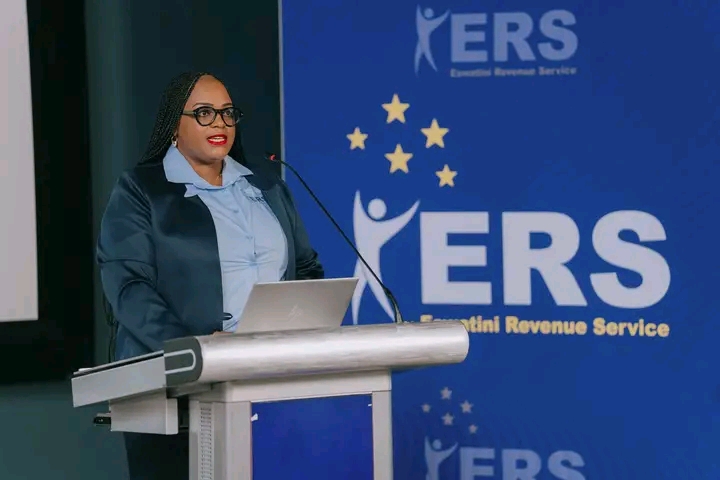
According to ERS Head of Domestic Revenue Pearl Muir-Dlamini, the engagement process recognizes the important contribution the wholesale and retail industry makes to the country’s VAT administration. She said the objective is not only to introduce a new digital system but also to ensure businesses receive sufficient information, technical guidance, and practical support before implementation begins.

The new ecosystem will require taxpayers to use fiscal devices or approved electronic systems capable of transmitting invoice data directly to ERS. Businesses will need accredited vendors whose systems integrate with point-of-sale infrastructure, ensuring invoices are securely generated, verified, and recorded through approved digital channels. This creates new opportunities for technology providers while simultaneously establishing uniform standards for electronic tax documentation across the market.
ERS also indicated that supporting legislation is being strengthened to accommodate electronic fiscal documents. Proposed amendments to the VAT framework will recognize digital tax invoices, fiscal receipts, credit notes, and debit notes, while also providing for electronic verification processes, secure digital signatures, and audit trails. These legal reforms are intended to give electronic documents the same standing as traditional paper records while enhancing the reliability of tax administration.
The implementation strategy will follow a phased approach rather than an immediate nationwide rollout. Throughout 2026, ERS will focus on stakeholder consultations, industry training, publication of implementation guidelines, and vendor accreditation. A broader taxpayer awareness campaign is expected to begin later in the year before selected businesses are onboarded during the initial implementation phase.
For businesses, the coming months present an important preparation period. Companies will need to assess whether their existing accounting software, point-of-sale infrastructure, and internal financial processes can integrate with the new requirements. Investment in compatible systems, employee training, and stronger digital record management may become necessary to ensure uninterrupted compliance once mandatory implementation begins.
From a broader economic perspective, the reform aligns with the government’s objective of strengthening domestic revenue mobilization without necessarily increasing tax rates. Improved compliance and more accurate reporting have the potential to widen the effective tax base, reduce revenue leakages, and promote fairer competition by limiting the advantages enjoyed by businesses that under-declare transactions or operate outside established tax rules.
If successfully implemented, the e-Invoicing Solution could become one of the most important digital reforms within Eswatini’s tax administration, not only improving revenue collection but also accelerating the country’s transition towards a more transparent, data-driven, and digitally integrated business environment. For the private sector, the initiative signals that tax compliance is increasingly becoming a technology issue as much as it is a regulatory one, making early preparation a strategic business priority rather than simply a statutory obligation.