






By: Nkosiyabusa Nsibande
The challenge facing many young entrepreneurs in Eswatini is no longer confined to finding business ideas. Increasingly, the obstacle lies in transforming those ideas into enterprises capable of attracting finance, competing in formal markets, and sustaining long-term growth. That reality framed discussions at the Hhohho Youth Business Seminar, where government institutions, enterprise development agencies, and private sector stakeholders converged to examine practical solutions for strengthening youth-owned businesses.
Held at Gobolondlo Hall in Pigg’s Peak under the theme “Market Opportunities and Access to Finance,” the seminar attracted over 200 young entrepreneurs alongside representatives from government, development partners, and the private sector. While the event focused on entrepreneurship, its broader significance lies in its contribution to Eswatini’s ongoing efforts to expand the country’s productive SME sector, improve financial inclusion, and stimulate employment through enterprise development.
For financial institutions, one of the persistent barriers to lending to start-ups remains the absence of well-developed business plans, inadequate financial management systems, and limited entrepreneurial capacity. Addressing these structural weaknesses has become increasingly important as policymakers seek to encourage greater participation of youth-owned businesses in the formal economy.
The Eswatini Small Enterprises Development Company (SEDCO) positioned its participation around preparing entrepreneurs to become investment-ready businesses rather than simply promoting its services. During the Business Support and Development session, the organization outlined a comprehensive package of enterprise development interventions designed to strengthen the commercial viability of MSMEs.
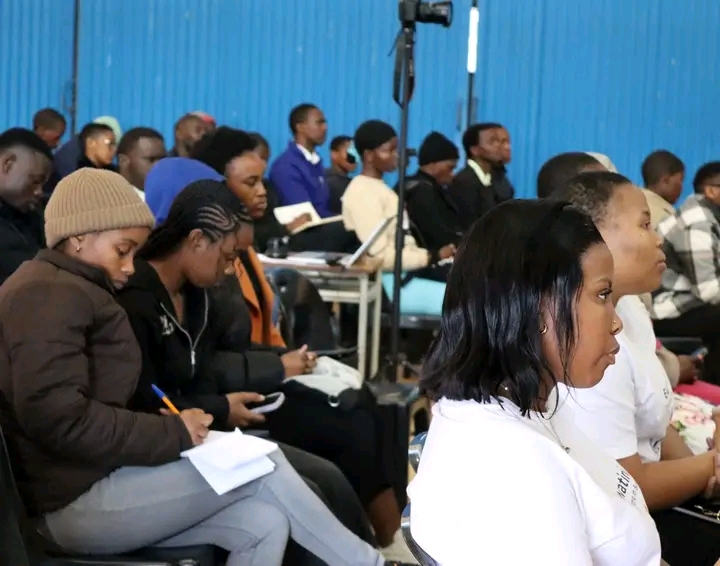
These services include business advisory and consultancy, entrepreneurship training, mentorship programs, business planning assistance, incubation support, company registration services, and access to SEDCO’s innovation hubs. Collectively, these interventions seek to improve business governance, operational efficiency, and strategic planning, areas that lenders and investors frequently assess before extending finance.
The emphasis on business planning is particularly significant within Eswatini’s SME ecosystem. Financial institutions generally require credible financial projections, market assessments, and operational strategies before approving funding applications. Entrepreneurs who lack these fundamentals often struggle to access both traditional bank financing and alternative funding mechanisms, regardless of the potential of their business ideas.
Equally important was the seminar’s focus on linking entrepreneurs to market opportunities. Access to finance alone rarely guarantees business success if enterprises remain disconnected from viable markets. Sustainable SME growth depends on the ability to generate consistent revenue, build competitive products, and secure reliable customers, allowing businesses to service debt, reinvest profits, and create employment.
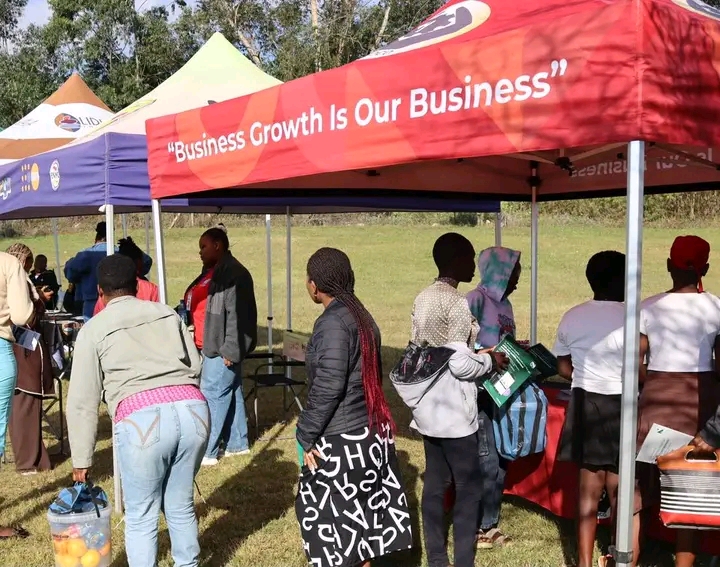
Beyond the formal presentations, SEDCO engaged directly with entrepreneurs through an exhibition platform where participants received information on enterprise development programmes tailored to businesses at different stages of growth. Such engagements provide an important bridge between government support institutions and entrepreneurs who may otherwise remain unaware of the technical assistance available to improve their businesses.
The collaboration between the Youth Enterprise Revolving Fund (YERF), Pigg’s Peak Town Council, Pigg’s Peak Inkhundla, and enterprise support institutions also reflects a broader policy approach that recognizes entrepreneurship as a vehicle for economic diversification. As Eswatini continues to confront high youth unemployment, strengthening the capacity of MSMEs is increasingly viewed as an essential strategy for expanding domestic production, stimulating innovation, and creating sustainable livelihoods.
Ultimately, the Hhohho Youth Business Seminar underscored an important shift in enterprise development policy. Rather than focusing solely on financing, stakeholders are placing greater emphasis on building businesses that are capable of attracting investment, managing growth, and competing effectively in the marketplace. For Eswatini’s emerging entrepreneurs, improving access to finance will depend not only on the availability of capital but also on developing the financial discipline, business skills, and commercial readiness required to turn entrepreneurial ambition into sustainable economic value.