




By: Nkosiyabusa Nsibande
What appears to be an ordinary research facility at Malkerns Agricultural Research Station is quietly becoming one of Eswatini’s most valuable strategic investments. Hidden within the National Plant Genetic Resources Centre (Genebank) are over 30 traditional vegetable seed varieties that could play a defining role in strengthening the country’s food security, protecting agricultural biodiversity, and unlocking new commercial opportunities for farmers.
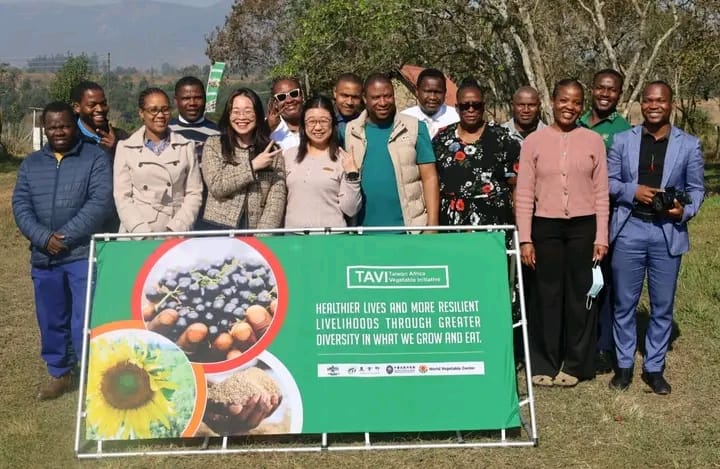
The facility, which was showcased during the TAVI Phase II Media Engagement, demonstrates that preserving indigenous seeds is no longer a scientific exercise. It has become an economic strategy aimed at protecting agricultural productivity while creating new value chains around traditional African vegetables. As climate change continues to threaten crop production across Southern Africa, maintaining a reliable reserve of locally adapted seed varieties has become increasingly important for ensuring long-term agricultural sustainability.
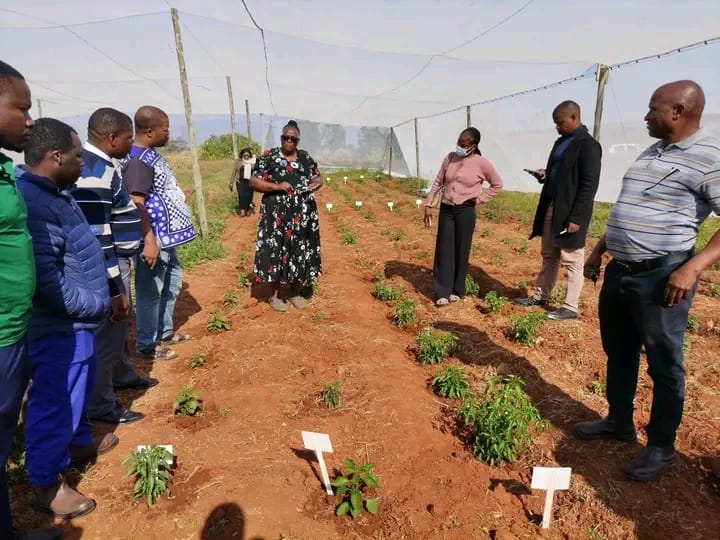
Officials explained the gene bank follows internationally recognized conservation standards to ensure that valuable genetic resources are not lost. Indigenous seed varieties are collected from farming communities across Eswatini, carefully documented, tested for viability, and preserved under strictly controlled temperatures. Some of these collections can remain viable for over three decades, providing future generations with access to genetic material that may prove critical in developing crops capable of withstanding changing environmental conditions.
To further minimize risk, duplicate collections are securely stored at the World Vegetable Center’s African Genebank in Tanzania. This additional layer of protection ensures that Eswatini’s indigenous plant genetic resources remain safeguarded even in the event of unforeseen disasters affecting the local facility. The approach reflects global best practice in agricultural risk management, where protecting genetic diversity is regarded as an essential national infrastructure rather than merely scientific research.
However, the financial value of the initiative extends well beyond seed preservation. TAVI Phase II is actively transforming these conserved genetic resources into commercial opportunities by strengthening the entire traditional vegetable value chain. The project is supporting farmers through improved access to quality seed, expanding market opportunities, and promoting the commercial production of indigenous vegetables that have historically received limited investment despite their nutritional and economic value.
The commercial potential is already becoming evident. Project estimates place the annual market value for traditional vegetables, including pumpkin leaves, amaranth, and okra, at approximately E12.2 million. This represents an emerging agribusiness opportunity capable of generating income for smallholder farmers while simultaneously reducing dependence on imported seed varieties and enhancing domestic food production.

Rather than viewing traditional vegetables solely as subsistence crops, the initiative is repositioning them as commercially viable agricultural commodities with growing demand for consumers seeking nutritious, climate-resilient food products. This shift creates opportunities for investment in seed multiplication, production, processing, packaging, distribution, and export-oriented value addition, broadening participation across the agricultural economy.
Officials also emphasized that the work undertaken by the gene bank is designed to secure both today’s production and tomorrow’s food systems. They explained indigenous seeds are collected from communities, documented according to international standards, tested for viability, and preserved in specialized storage facilities, with some collections remaining viable for over 30 years. The officials further noted that duplicate seed collections are maintained at the World Vegetable Center’s African Genebank in Tanzania to guarantee that these important genetic resources are never permanently lost.
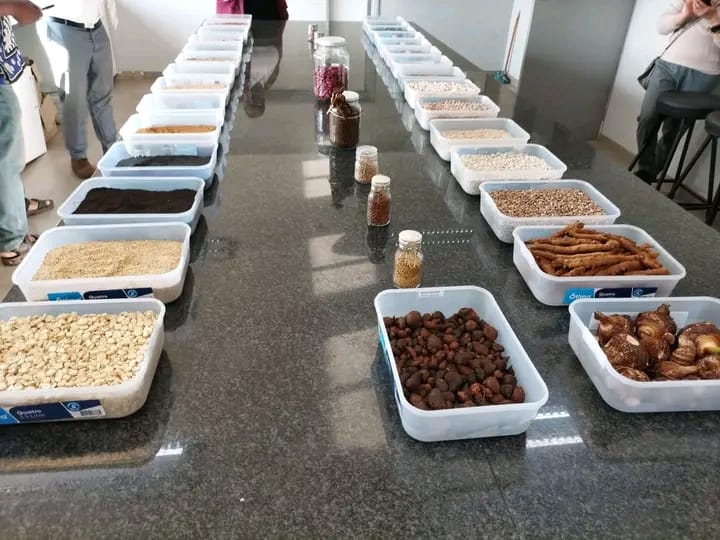
The broader ambition extends beyond national food security. Through TAVI Phase II, Eswatini is positioning itself to become a regional centre for traditional African vegetable innovation, technology development, and knowledge exchange. Such a position would strengthen the country’s agricultural research capacity while attracting regional collaboration, investment, and expertise into an industry with growing strategic importance across the continent.
For Eswatini, the National Plant Genetic Resources Centre represents far more than a repository of seeds. It is an investment in agricultural resilience, a safeguard against future climate shocks, and the foundation of a new agribusiness sector with measurable commercial potential. As the country seeks sustainable pathways for economic growth, the preservation of indigenous genetic resources is increasingly proving to be not only an environmental priority but also a sound financial and development strategy.