







By: FinGuard Editorial Team
The collapse of the fragile ceasefire between the United States and Iran has reignited conflict in the Gulf and sent shockwaves through global energy markets. Brent crude surged as investors reacted to renewed military confrontation, while concerns over securing global oil supplies triggered a sharp repricing of risk across commodity and financial markets. The renewed hostilities have not only heightened fears of supply disruptions but have also reignited inflation concerns when many economies were beginning to stabilize after years of elevated interest rates.
Financial markets have interpreted the latest developments as more than another geopolitical confrontation. Instead, they view the conflict as a threat to one of the world’s most strategically important energy corridors. According to Reuters, investors have rapidly priced in a geopolitical risk premium as fears grow that prolonged instability could interfere with crude oil exports from the Middle East. Although no major supply interruption has yet materialized, markets typically respond to expectations rather than actual shortages, causing prices to rise well before physical disruptions occur.
The Market Reaction
Oil traders woke to a market bracing for turbulence.
— Brent Crude rose sharply as traders responded to heightened geopolitical uncertainty.
— West Texas Intermediate followed the same trajectory, reflecting the global nature of the shock.
— Investor flight into traditional safe-haven assets intensified, with gold prices advancing while demand for United States Treasury securities increased as investors sought protection from market volatility.

The Strait of Hormuz, through which nearly 20 percent of the world’s seaborne oil trade passes, remains the most vulnerable artery in the global energy system. According to the International Energy Agency, approximately one in every five barrels of oil consumed globally moves through this narrow waterway. Any disruption, whether through direct attacks on shipping vessels or military escalation in surrounding waters, has immediate consequences for global energy prices, insurance costs, freight charges, and investor confidence.
The market’s reaction also reflects growing concerns over energy security rather than immediate shortages. According to Bloomberg, shipping companies and oil traders have reassessed risk exposure in the Gulf, resulting in higher insurance premiums for tankers operating in the region. It ultimately passed these additional costs through the supply chain, increasing the landed cost of petroleum products for importing nations.
Inflationary Ripples
The surge in oil prices is more than a commodity market story. It represents a broad macroeconomic risk capable of reversing recent progress in reducing global inflation. Higher crude prices translate directly into increased costs for transportation, manufacturing, electricity generation, and food production, all of which eventually filter through to consumers.
According to Reuters, economists warn that sustained increases in crude oil prices could slow the pace at which central banks lower interest rates. Higher fuel costs feed into headline inflation, forcing monetary authorities to remain cautious about loosening financial conditions. This would prolong the period of elevated borrowing costs for businesses and households, potentially slowing investment and consumer spending.
The inflationary effects extend well beyond fuel stations. Every stage of production depends on energy, from moving raw materials to manufacturing finished goods and distributing products to retailers. Businesses facing rising operational expenses often have little choice but to absorb shrinking profit margins or transfer those costs to consumers through higher prices.
Emerging economies that depend heavily on imported fuel face an even greater challenge. According to the International Monetary Fund, higher oil prices place pressure on exchange rates, wide trade deficits, and increase external financing requirements. Countries already carrying significant debt burdens become increasingly vulnerable as governments allocate more resources toward energy imports instead of productive investment.

War Returns to the Gulf
The ceasefire collapsed after renewed military exchanges between the United States and Iran, with both sides accusing each other of violating previous commitments. President Donald Trump declared the truce effectively over, while Iranian authorities responded with military action against United States’ interests in the Gulf. According to the Associated Press, the renewed confrontation has significantly increased uncertainty surrounding the region’s security outlook and raised fears that further escalation could involve additional regional actors.
Although oil production facilities have not suffered widespread damage, energy analysts caution markets remain extremely sensitive to any threat involving export terminals, pipelines, or commercial shipping routes. According to Al Jazeera, even isolated incidents involving oil tankers have historically triggered substantial price increases because traders expect broader disruptions before they occur.
Financial Markets Feel the Pressure
Beyond the energy sector, financial markets have responded with increased volatility. Equity markets experienced broad-based declines as investors reassessed corporate earnings prospects under higher energy costs. Airlines, logistics companies, manufacturing firms, and transport operators were among the sectors facing the greatest selling pressure due to their heavy dependence on fuel.
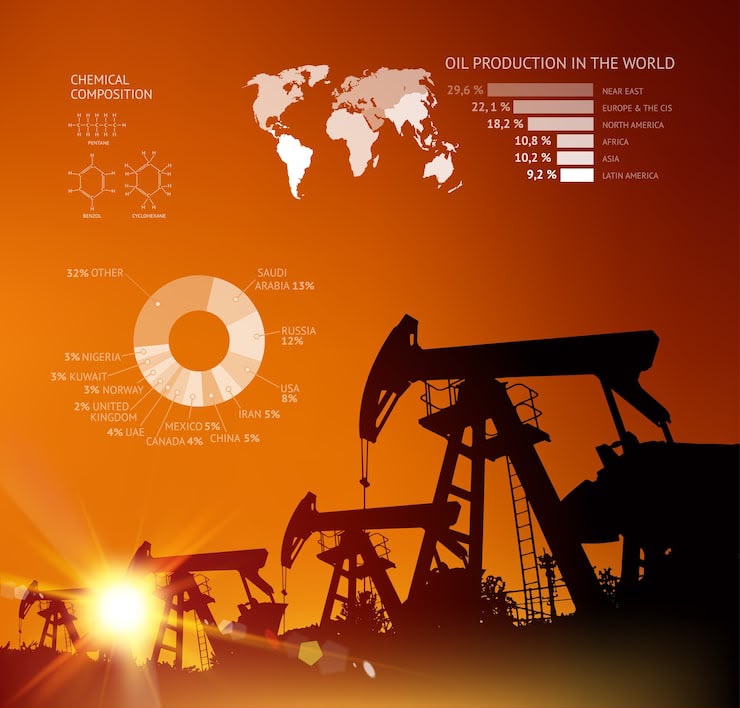
Financial institutions are also closely monitoring the situation. Rising oil prices increase inflation expectations while weakening economic growth prospects, creating the difficult scenario economists describe as stagflation. According to CNN Business, prolonged geopolitical instability could reduce global investment confidence, delay business expansion plans, and weaken consumer demand as households devote a greater share of their income to essential expenditures.
What It Means for Eswatini Businesses
For Eswatini, the consequences extend far beyond international headlines. As a net importer of petroleum products, the Kingdom remains highly exposed to fluctuations in global oil prices. Every increase in crude oil prices eventually feeds into domestic fuel costs, raising transportation expenses throughout the economy.
Businesses operating in agriculture, manufacturing, mining, construction, and retail are likely to experience immediate cost pressures. Farmers transporting produce to markets will spend more on fuel, manufacturers will face higher production and distribution costs, and retailers importing goods through South African supply chains will encounter more expensive logistics. These higher operating costs ultimately place pressure on consumer prices and business profitability.
Small and medium-sized enterprises may be vulnerable because many operate on narrow profit margins and possess limited capacity to absorb sustained increases in operating expenses. Businesses dependent on frequent transportation or imported raw materials may be forced to review pricing strategies, postpone expansion plans, or reduce discretionary spending to preserve cash flow.
The transport sector faces one of the greatest risks. Bus operators, freight companies, and cross-border logistics businesses are likely to experience escalating fuel bills, increasing the likelihood of higher transport tariffs. Such increases would have ripple effects across virtually every sector of the economy, as transportation remains central to both production and distribution.
Higher fuel prices also place additional strain on household finances. As consumers allocate more income toward transport, electricity, and food, discretionary spending declines. Reduced consumer purchasing power often translates into weaker retail sales, slower business activity, and declining revenues for enterprises serving the domestic market.
What Lies Ahead
In the short term, oil markets are expected to remain highly volatile as traders respond to every military and diplomatic development emerging from the Gulf. According to Reuters, investors will closely monitor whether shipping through the Strait of Hormuz continues without interruption and whether major oil-producing nations increase production to offset market uncertainty.
Attention will also focus on the response of OPEC Plus. While additional production could help moderate price increases, analysts caution that geopolitical risk premiums often persist even when physical supplies remain adequate. As long as uncertainty surrounds the security of Middle Eastern exports, oil prices are likely to remain elevated relative to pre-conflict levels.
For governments, businesses, and investors alike, the coming weeks will require careful monitoring of both geopolitical developments and macroeconomic indicators. The conflict has once again demonstrated that energy markets remain deeply interconnected with global finance, trade, and investment decisions.
Oil is more than a commodity. It remains the foundation upon which global commerce moves, industries operate, and economies grow. The collapse of the ceasefire serves as a reminder that geopolitical instability carries consequences far beyond the battlefield. For countries such as Eswatini, where imported fuel underpins economic activity, every movement in global crude prices is eventually reflected in the cost of doing business, the affordability of essential goods, and the pace of economic growth.