






By: Nkosiyabusa Nsibande
Businesses and consumers reliant on diesel-powered transport are set to receive significant cost relief following the Ministry of Natural Resources and Energy’s latest fuel price adjustment, which takes effect at midnight on 4 June 2026.
The Ministry announced that the price of diesel will decrease by E2.40 per litre, while illuminating paraffin will fall by E2.90 per litre. However, motorists using petrol-powered vehicles will face higher costs, with the price of Unleaded Petrol (ULP95) increasing by 90 cents per litre.
Under the new pricing structure, Unleaded Petrol will rise from E25.27 per litre to E26.17 per litre. Diesel (0.005% S) will decrease from E31.60 per litre to E29.20 per litre, while illuminating paraffin will fall from E26.28 per litre to E23.38 per litre.
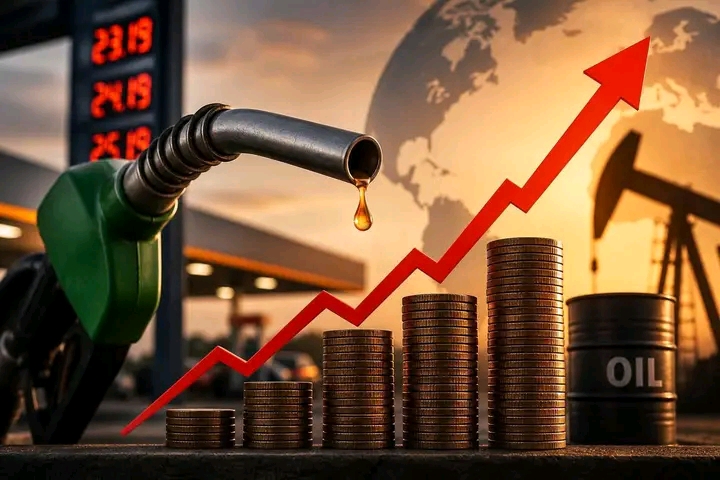
The adjustment reflects changing conditions in global energy markets, where international crude oil prices averaged US$104 per barrel during the review period, down from US$110 per barrel recorded in April 2026. According to the Ministry, lower freight rates also contributed to improved fuel pricing outcomes.
The divergent movements between petrol and diesel prices highlight shifting seasonal demand patterns in global markets. The Ministry attributed the reduction in diesel and paraffin prices to easing demand following the end of the winter season in the northern hemisphere. At the same time, petrol prices continue to face upward pressure as summer travel activity increases, driving stronger demand for gasoline products.
For Eswatini’s business community, the diesel reduction is likely to provide a welcome boost to operating margins, particularly in sectors heavily dependent on transportation and logistics. Commercial freight operators, agricultural producers, construction firms and businesses that rely on diesel-powered machinery stand to benefit from lower fuel expenditure.
The adjustment may also help moderate some of the cost pressures that have affected supply chains and distribution networks in recent months. Since diesel remains the primary fuel used for goods transportation across the country, lower diesel costs have the potential to ease operating expenses throughout various segments of the economy.
Small and medium-sized enterprises (SMEs), many of which continue to grapple with rising operational costs, could experience modest relief through reduced transportation and delivery expenses. The development may also help cushion consumers from further increases in the prices of goods and services if businesses pass on some of the savings generated by lower fuel costs.
The sharp decline in illuminating paraffin prices is expected to provide direct relief to lower-income households that continue to depend on paraffin for cooking, heating and lighting. The E2.90 per litre reduction represents one of the most significant decreases among the fuel products adjusted during the review period.
While the increase in petrol prices will place additional pressure on motorists and businesses operating petrol-powered fleets, the overall impact of the latest adjustment is likely to be viewed positively by much of the productive sector due to diesel’s central role in transportation, agriculture and industrial activity.
The latest fuel price review underscores the continued influence of international energy markets on domestic fuel costs and highlights the importance of global crude oil movements and freight charges in determining prices at the pump in Eswatini.

Other Articles