






By: Nkosiyabusa Nsibande
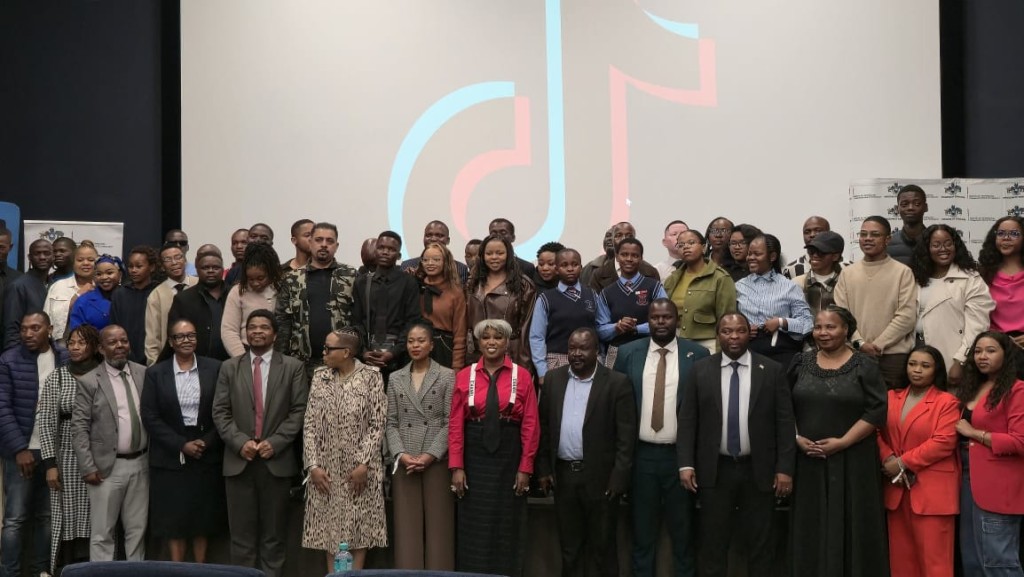
Eswatini’s push toward a digitally driven economy received renewed attention today as government officials, content creators, policymakers, and industry stakeholders gathered at the ERS Auditorium in Ezulwini for an engagement hosted in partnership with TikTok.
The event brought together Minister of Information, Communications, and Technology Savannah Maziya and TikTok’s Head of Government Relations and Public Policy for Southern Africa, Tholoana Ncheke-Mahlaela, alongside members of the country’s growing digital creator community. The gathering focused on collaboration, innovation, and the opportunities emerging within the creator economy as Eswatini advances its broader Digital Agenda.
While content creation is often viewed primarily as a social media activity, policymakers and technology companies are treating it as an economic sector capable of generating income, supporting entrepreneurship, and creating employment opportunities for young people. Across Africa, digital platforms are investing in creator education, monetization support, and digital skills development as governments seek new pathways to economic growth in an technology-driven environment. TikTok has, in recent years, expanded creator education and training programs across several African countries, positioning content creation as part of the continent’s wider digital economy.
For Eswatini, signifying such engagements lies in their potential contribution to economic inclusion. The country’s Digital Agenda has emphasized the role of technology in expanding access to economic opportunities, for youth. The creator economy presents a low-barrier entry point into entrepreneurship, allowing individuals to generate revenue through advertising partnerships, brand collaborations, digital marketing services, and content monetization without requiring significant upfront capital investment.
Participating TikTok’s regional policy leadership also highlights the growing interest of global technology platforms in engaging with governments across Southern Africa. Such partnerships have centered on digital skills development, platform governance, online safety, and the commercialization of digital content. The discussions come when African governments are seeking to ensure that local creators capture greater economic value from global digital platforms rather than remaining consumers of content alone.
For local businesses, the rise of the creator economy carries broader implications beyond individual content creators. Small and medium-sized enterprises are using social media creators as marketing channels to reach consumers more effectively and at lower costs than traditional advertising. This has created new business opportunities for digital marketers, videographers, photographers, brand strategists, and other service providers operating within the digital ecosystem.
As Eswatini continues to pursue digital transformation, the challenge will convert online influence into sustainable economic activity. The long-term success of the creator economy will depend not only on content creation skills but also on access to digital infrastructure, financial services, digital payments, intellectual property protection, and business development support.
Today’s engagement signals the growing recognition that digital content creation is no longer a social activity. It is being viewed as an emerging economic sector capable of contributing to entrepreneurship, employment creation, and broader economic participation within Eswatini’s evolving digital landscape.