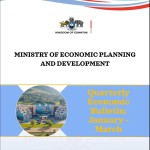






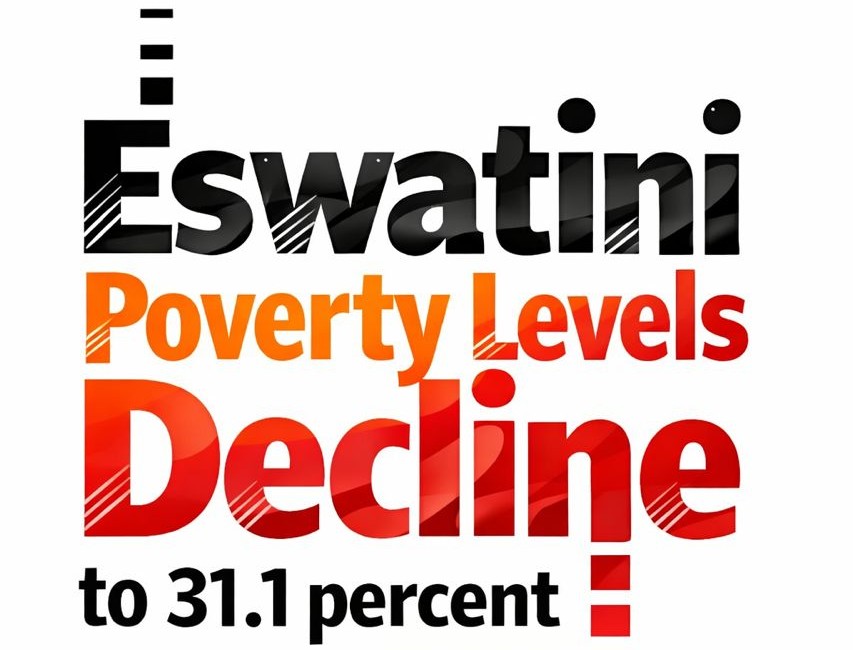
The Ministry of Economic Planning and Development’s 2026Q1 Economic Bulletin highlights a turning point for Eswatini. Poverty levels fell to 31.1 percent in 2025, down from more than 40 percent earlier in the decade. This achievement signals progress, but it also raises important questions about what lies ahead for the nation and how this momentum can be sustained.
What It Means for 2026
For Emaswati, the decline in poverty means more households are moving into stability. Families are gaining better access to food, housing, and services. Rising GDP per capita, stronger manufacturing, and infrastructure projects are creating opportunities that were not available before. Yet, one in three citizens still lives below the poverty line, reminding us that the journey is far from complete.
What We Should Focus On
To reduce poverty further each year, Eswatini must continue to strengthen its foundations. Investment in infrastructure will create jobs and support long-term growth. Export diversification will reduce reliance on sugar and textiles, protecting the economy from global shocks. Expanding manufacturing will build resilience and employment. It must widen access to credit to support small businesses and entrepreneurs, ensuring inclusive growth. We should enhance social programs to help vulnerable groups move out of poverty and into stability.
The Odds of a Full Turnaround
Can Eswatini achieve a complete transformation? The odds depend on three factors. Global stability will determine how external shocks affect trade and investment. Domestic discipline in fiscal management, infrastructure investment, and business support must remain priorities. Inclusive growth is essential, ensuring that progress reaches every citizen.
A full turnaround is possible, but it requires consistent effort. The decline to 31.1 percent is proof that progress can be made. If Eswatini sustains this momentum, invests, and ensures that growth is inclusive, the country can move closer to a future where poverty is no longer the defining challenge.
Closing Note
The 2026Q1 Economic Bulletin is more than a report; it is a reminder that Eswatini has achieved progress worth celebrating, but also that global uncertainty demands careful planning. The nation is growing, inflation is contained, businesses are expanding, and poverty is declining. The challenge for 2026 is to build on this momentum, reduce poverty further each year, and ensure that every Emaswati shares in the nation’s growth.