





By: Nkosiyabusa Nsibande
The Ministry of Finance’s decision to bring Senators together for an intensive review of the country’s tax and public finance laws is more than a legislative exercise. It signals that the Government is entering a new phase of fiscal reform, in which strengthening domestic revenue collection is becoming as important as attracting investment. For businesses, investors and taxpayers, the discussions could shape how Eswatini raises revenue, administers taxes and finances public services over the coming decade.
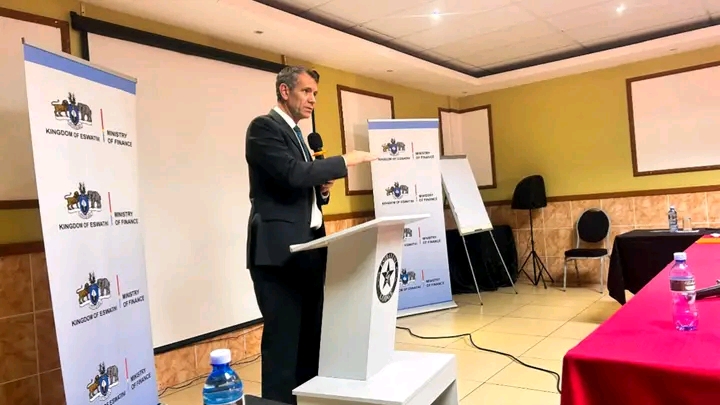
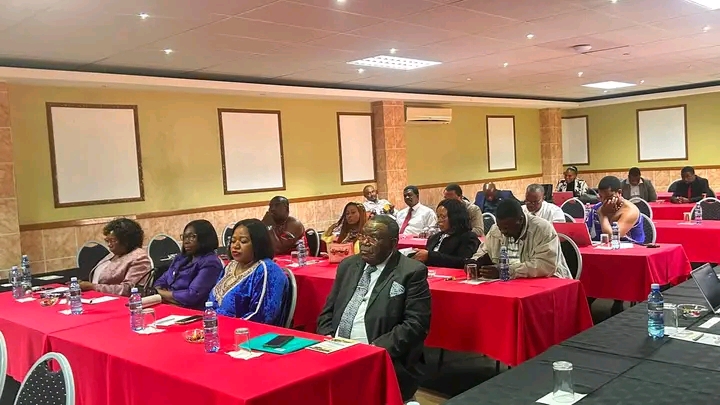
The two-day workshop is examining amendments to the Customs and Excise Act, Eswatini Revenue Service Act, Value Added Tax Act, Income Tax Act, Fuel Levy Act, and the Members of Parliament and Designated Office Bearers Pension Fund Act, as well as supporting regulations and statutory notices. Most of these Bills have already been tabled before Parliament, making the workshop an opportunity to ensure Senators fully understand both the technical provisions and their wider economic implications before legislative debate.
From a financial perspective, the significance lies less in individual amendments and more in the collective direction they point towards. Rather than relying on higher tax rates to generate additional revenue, the Government appears focused on improving the efficiency of tax administration, tightening compliance, modernizing customs procedures, and strengthening the legal framework under which the Eswatini Revenue Service operates. These are structural reforms that have the potential to increase revenue without necessarily increasing the tax burden on compliant taxpayers.

This approach is consistent with the Government’s broader fiscal strategy outlined in the 2026/27 National Budget. The Ministry of Finance has repeatedly stated that sustainable public finances will depend on expanding the domestic tax base, improving compliance, and modernizing revenue administration, rather than introducing broad-based tax increases. Government projects domestic revenue growth through better tax collection, digitalization of tax systems, and stronger enforcement against non-compliance.
For the business community, amendments to the Customs and Excise Act may ultimately prove among the most commercially important reforms. Customs legislation determines how goods enter and leave the country, how duties are assessed, and how efficiently cross-border trade operates. Even modest improvements in customs administration can reduce clearance delays, lower transaction costs, and improve supply chain efficiency for importers, exporters, and manufacturers. In an economy where many industries depend on regional trade, efficient customs systems are increasingly viewed as economic infrastructure rather than merely revenue-collection mechanisms.
The review of the Value Added Tax and Income Tax Acts also deserves close attention from businesses. VAT remains one of the Government’s largest and most stable sources of revenue, while income tax continues to underpin domestic revenue collection. Modernizing these laws can improve certainty for taxpayers, simplify compliance obligations, and close loopholes that erode the tax base. For compliant businesses, stronger legislation can create a fairer competitive environment by reducing opportunities for tax avoidance that disadvantage honest taxpayers.
Equally significant is the proposed amendment to the Eswatini Revenue Service Act. Around the world, revenue authorities are evolving beyond traditional tax collection agencies into technology-driven institutions that rely on digital reporting, data analytics, and integrated compliance systems. Strengthening the legal mandate of the Revenue Service could provide the institutional foundation needed to accelerate this transition. Improved administrative capacity not only increases tax collection efficiency but also reduces administrative costs for both the government and taxpayers over time.
The inclusion of amendments to the Fuel Levy Act illustrates another important aspect of fiscal management. Fuel levies provide the Government with a relatively predictable source of revenue while helping finance transport infrastructure and other public expenditure. Because fuel costs influence the price of transporting goods and services across the economy, any adjustments to fuel levy legislation require careful balancing between revenue generation and maintaining business competitiveness.
The workshop also reflects a broader shift in fiscal governance. Instead of legislators engaging with Bills only during formal parliamentary debates, the Government is investing time in technical consultations before legislation reaches its final stages. Better-informed lawmakers are more likely to scrutinize complex tax provisions effectively, reducing the risk of unintended consequences affecting businesses, investors or public finances.

For investors, stable and predictable tax legislation remains one of the most important indicators of a country’s investment climate. Businesses generally prefer certainty over frequent policy shifts. Reviewing legislation comprehensively through Parliament helps create clearer rules for taxation and revenue administration, reducing legal ambiguity while strengthening confidence in the country’s fiscal institutions.
Ultimately, the workshop demonstrates that Eswatini’s fiscal agenda is moving beyond annual budget announcements. Long-term economic stability depends not only on how much revenue the government collects but also on the strength of the legal institutions that govern taxation, customs administration, and public financial management. By modernizing these frameworks, the Government is laying the legislative foundation for a more resilient fiscal system that can support infrastructure investment, public services, and economic growth in an increasingly competitive regional economy.

Other Articles