





By: Nkosiyabusa Nsibande
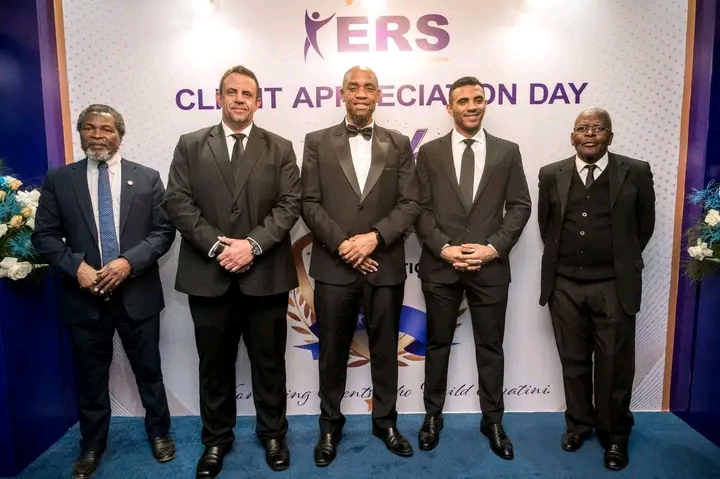
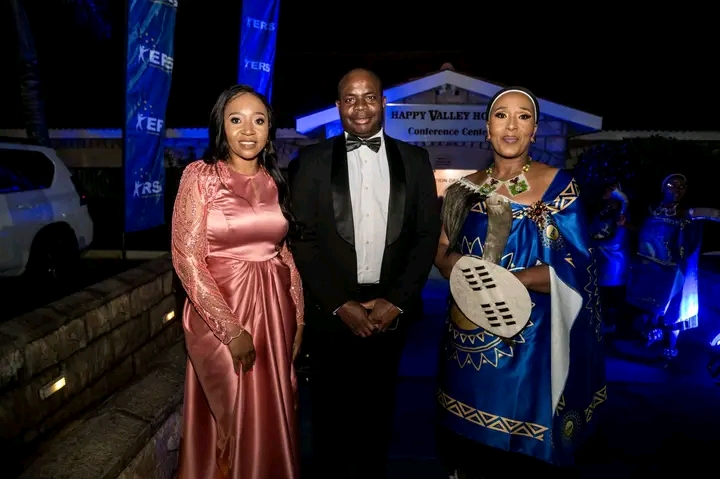
For many businesses, taxation has traditionally been viewed as a cost of doing business, an unavoidable expense that reduces profitability and cash flow. However, the conversations emerging from the Eswatini Revenue Service (ERS) 4th Annual Client Appreciation Day suggest that this mindset is rapidly evolving. The event, held under the theme “Stars of Compliance: Honoring Clients Who Build Eswatini,” presented tax compliance not merely as a legal requirement but as an important indicator of corporate governance, business sustainability, and economic citizenship.
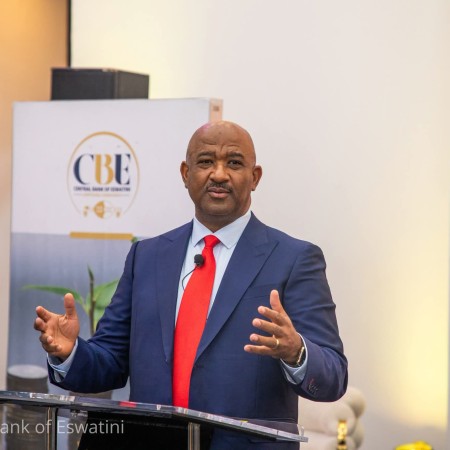
Welcoming government officials, executives, taxpayers, and business leaders, ERS Governing Board Chairperson David Dlamini said voluntary tax compliance remains one of the strongest foundations upon which Eswatini’s development agenda rests. According to Dlamini, every compliant taxpayer contributes directly to financing healthcare, education, infrastructure, public safety, and other essential government services that enable economic activity to flourish. Rather than celebrating revenue collection alone, he described the occasion as recognizing businesses and individuals whose commitment to compliance continues to build the country’s future. According to the Eswatini Revenue Service, voluntary compliance represents a partnership between taxpayers and the government that creates long-term national value.
The significance of the event extended beyond an awards ceremony. It reflected an increasingly important shift in fiscal policy, where governments seek to encourage voluntary compliance instead of relying solely on enforcement measures. Modern tax administrations around the world recognize that sustainable revenue growth depends less on punitive collection methods and more on building trust between revenue authorities and taxpayers. ERS appears to be embracing this philosophy by publicly recognizing compliant taxpayers while simultaneously investing in digital systems that simplify tax administration.

The presence of Minister of Finance Neal Rijkenberg reinforced the economic importance of this approach. According to reports ahead of the event, the Minister’s keynote address focused on acknowledging compliant taxpayers whose contributions sustain the national fiscus and enable the government to provide essential public services. His participation reflected the government’s growing emphasis on strengthening domestic revenue mobilization as Eswatini seeks to finance development while reducing vulnerability to external revenue shocks. Reported by Eswatini Positive News and Swazi24, the Minister thanked taxpayers for fulfilling obligations that ultimately support national economic stability.
For investors, predictable tax compliance carries implications that extend well beyond government finances. A business with a consistent compliance record generally demonstrates stronger financial management, more reliable governance structures, and lower regulatory risk. Financial institutions, development finance institutions, and prospective investors increasingly incorporate regulatory compliance into their broader assessment of business quality. In this context, tax compliance becomes part of a firm’s overall investment profile rather than simply an accounting function.
The event also highlighted the increasingly close relationship between tax administration and international trade competitiveness. One of the major milestones was the accreditation of 15 companies into the ERS Customs Authorised Economic Operator (AEO) Programme. The internationally recognized program rewards trusted traders with faster customs procedures, reduced inspections, and more efficient border clearance, lowering supply chain costs while improving trade predictability. According to ERS, the initiative strengthens secure trade and positions compliant businesses to compete more effectively in regional and international markets.

This trade dimension explains the participation of South African Revenue Service Commissioner Dr. Ngobani Johnstone Makhubu, who addressed delegates on trade facilitation, customs cooperation, and seamless border management between Eswatini and South Africa. Given that South Africa remains Eswatini’s largest trading partner, closer collaboration between the two revenue authorities has significant implications for exporters, importers, and logistics operators. Efficient customs systems reduce transaction costs, improve inventory management, and make cross-border commerce more competitive.
Another notable feature of the ceremony was the diversity of sectors recognized for outstanding compliance. Awards covered manufacturing, wholesale and retail trade, financial services, agriculture, information and communications technology, construction, education, healthcare, accommodation, transport, and professional services. Recognition was also extended to micro-enterprises, sole traders, clearing agents, and strategic institutional partners. According to ERS, recipients were selected only after meeting strict compliance criteria, including timely filing of returns, prompt payment of taxes, the absence of outstanding liabilities, and no unresolved tax disputes.
These selection standards send an important message to the wider business community. Compliance is no longer measured solely by whether taxes are eventually paid, but by the consistency, transparency, and integrity of corporate financial behavior. This aligns with broader international trends in environmental, social, and governance (ESG) reporting, where tax transparency is increasingly regarded as an indicator of responsible corporate conduct.
The event also demonstrated how digital transformation is reshaping tax administration in Eswatini. Over the past two years, ERS has introduced several technology-driven initiatives aimed at simplifying compliance, including TaxEase, the TaxPal mobile platform, and, more recently, the TaxCore Electronic Invoicing Programme. According to the Ministry of Finance, electronic invoicing is expected to reduce underreporting, strengthen transparency, and improve real-time monitoring of commercial transactions, while creating a more level competitive environment for compliant businesses.
These reforms matter because compliance costs often influence business competitiveness as much as tax rates themselves. Businesses generally respond more positively to tax systems that are efficient, predictable, and digitally integrated than to systems characterized by lengthy paperwork and administrative uncertainty. By reducing the complexity of filing and payment processes, ERS is attempting to improve compliance through convenience as much as through enforcement.
Ultimately, the strongest message emerging from the Client Appreciation Day is that compliance has become an economic asset. In a business environment where access to finance, government procurement opportunities, export markets, and investor confidence increasingly depend on demonstrable governance standards, tax compliance is evolving into a competitive differentiator. Companies that consistently meet their obligations are positioning themselves not only as responsible taxpayers but also as credible long-term investment partners.
For Eswatini, where domestic revenue remains central to financing national development, recognizing compliant taxpayers is more than symbolic. It represents a deliberate effort to build a culture in which responsible corporate behavior strengthens both business performance and public finances. In that sense, the “Stars of Compliance” celebrated by ERS are not simply award winners; they represent the kind of disciplined private sector that underpins sustainable economic growth.