






By: Nkosiyabusa Nsibande
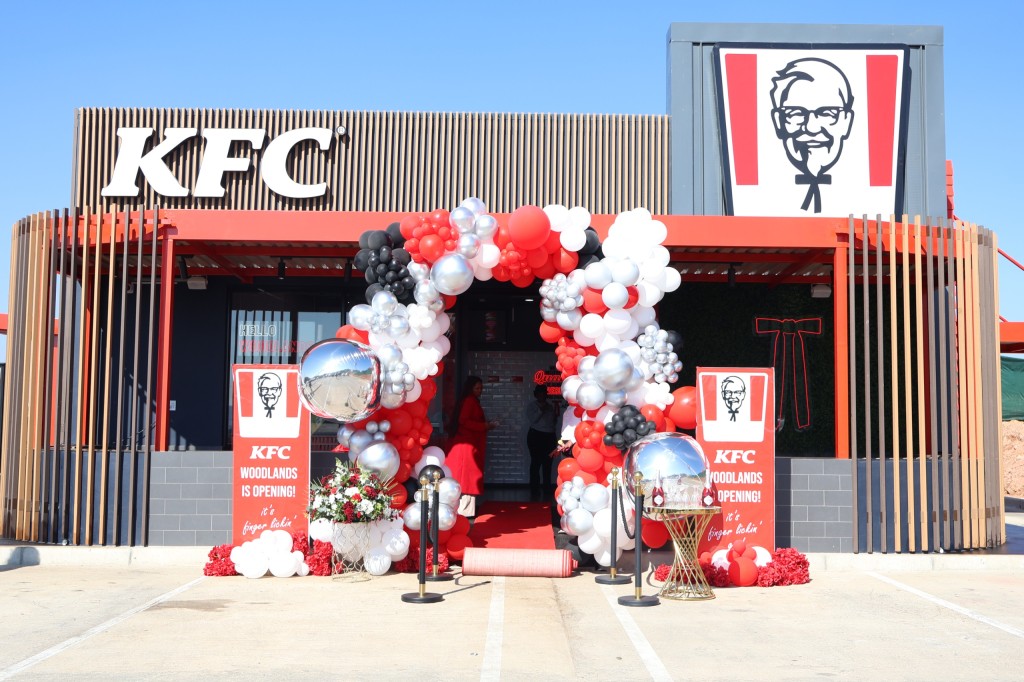
Alliance Foods’ decision to invest E4.5 million in the construction of KFC Woodlands has extended the company’s national footprint to 15 restaurants, reinforcing its position as one of Eswatini’s largest quick-service restaurant operators. Beyond increasing the availability of a global food brand, the investment provides a practical example of how private capital continues to shape urban economic development through employment creation, commercial property investment, supply chain expansion, and consumer spending.
The opening comes at a time when organized retail continues to evolve beyond simply meeting consumer demand. Increasingly, investments are being directed towards areas where population growth, commercial activity and transport networks create conditions for sustainable long-term returns. Woodlands has emerged as one of Mbabane’s fastest-growing commercial corridors, making the location a strategic investment rather than merely another retail address.
According to Alliance Foods, the E4.5 million project created 34 permanent jobs, providing new employment opportunities largely for young emaSwati. Those jobs represent more than payroll additions. Every formal employee contributes to household incomes, consumer expenditure, tax revenues, and skills development, while creating demand for transport, housing, and other local services. The economic value of retail investment therefore extends well beyond the business itself into the wider economy.

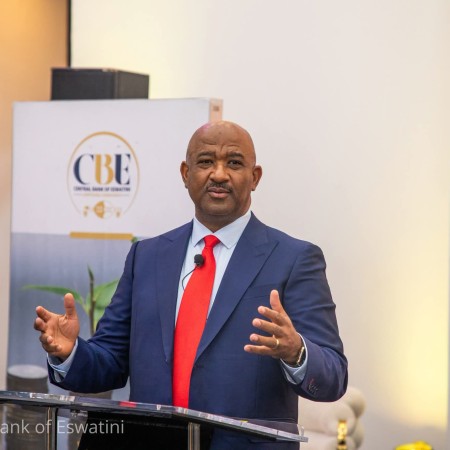
Speaking during the official opening, the Minister of Commerce, Industry and Trade, Manqoba Khumalo, described private investment as an important indicator of economic confidence, stating that “every new investment is a vote of confidence in our country. Every new business that opens its doors sends a powerful message that Eswatini remains an attractive destination for investment, enterprise, and growth.” His remarks underscore the role of domestic investment in strengthening confidence among existing businesses while signaling to prospective investors that Eswatini continues to offer commercially viable opportunities.
The significance of the Woodlands investment also lies in what it says about the country’s consumer economy. A company does not expand an established network without confidence that customer demand will support additional capital expenditure. By opening its fifteenth restaurant, Alliance Foods has demonstrated confidence not only in the KFC brand but also in the long-term purchasing capacity of consumers within the Mbabane market.
Business expansion of this nature also creates efficiencies that improve financial performance over time. As restaurant networks grow, companies are able to optimize procurement, logistics, inventory management, and distribution systems across multiple locations. Rather than operating as isolated outlets, restaurants become part of an integrated network capable of lowering operating costs while improving customer convenience and market reach. Previous reporting by the Times of Eswatini showed that Alliance Foods’ earlier restaurant expansion strategy contributed to an 8.6 percent increase in revenue, illustrating how carefully planned network growth can translate into stronger financial performance.
Minister Khumalo also placed considerable emphasis on employment as an economic asset rather than simply a social outcome. He observed that “employment is not merely about earning an income; it restores dignity, empowers families, develops valuable skills, and creates hope for a brighter future.” From a business perspective, investment in human capital strengthens operational performance by improving productivity, reducing employee turnover, and enhancing customer service standards. In highly competitive consumer industries, those factors directly influence profitability and long-term business sustainability.
Another important economic dimension of the investment is its effect on local supply chains. During his address, the Minister encouraged Alliance Foods to “continue strengthening partnerships with local suppliers, transport operators, farmers, maintenance providers, and other service businesses.” Such relationships extend the economic impact of the investment beyond the restaurant itself. Local procurement supports small and medium-sized enterprises, stimulates demand for agricultural products and logistics services, and creates multiplier effects that circulate spending throughout the domestic economy.
The Woodlands outlet is also expected to strengthen the surrounding commercial precinct. International restaurant brands frequently increase customer traffic within shopping centres, creating additional business opportunities for neighboring retailers and improving the attractiveness of commercial property developments. Previous reporting by the Eswatini Observer identified Woodlands as one of Mbabane’s emerging commercial growth areas, making the investment consistent with broader patterns of urban retail development.
Beyond the financial investment, Minister Khumalo reminded management that long-term commercial success would ultimately depend on operational excellence, noting that “the success of this restaurant will not only depend on the quality of the food you serve, but equally on the quality of the service you provide.” In the quick-service restaurant industry, customer retention is significantly more cost-effective than continuously acquiring new customers. Consistent service standards therefore become a commercial advantage that protects revenue growth and strengthens brand loyalty.
The opening of KFC Woodlands ultimately represents more than the addition of another restaurant to Eswatini’s retail landscape. It reflects a broader pattern in which established private companies continue deploying capital into the domestic economy because they see opportunities for sustainable growth. The E4.5 million investment, the creation of 34 formal jobs, and the expansion to a fifteenth restaurant demonstrate how consumer businesses contribute to economic development not only through sales but also through employment, infrastructure, supplier development, and confidence in the country’s long-term economic prospects. For policymakers, investors, and business leaders, the project provides another measurable example of how sustained private-sector investment continues to deepen Eswatini’s consumer economy.