





By: Nkosiyabusa Nsibande
The conversation around retirement in Eswatini has long remained on the periphery of financial planning discussions, often overshadowed by more immediate economic concerns such as inflation, unemployment and rising living costs. Yet at the 2026 Old Mutual Thought Leadership Forum, one message emerged with unmistakable urgency, the country is approaching a critical turning point in its retirement landscape, and delaying action could carry significant economic and social consequences in the years ahead.
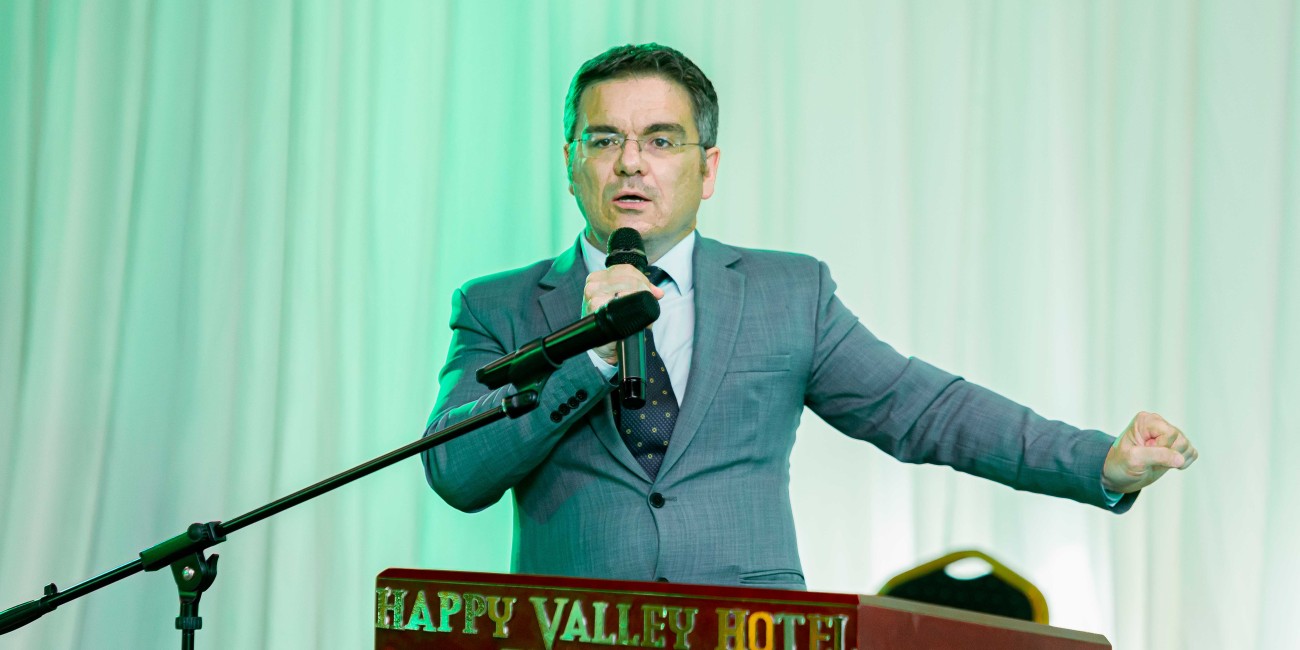
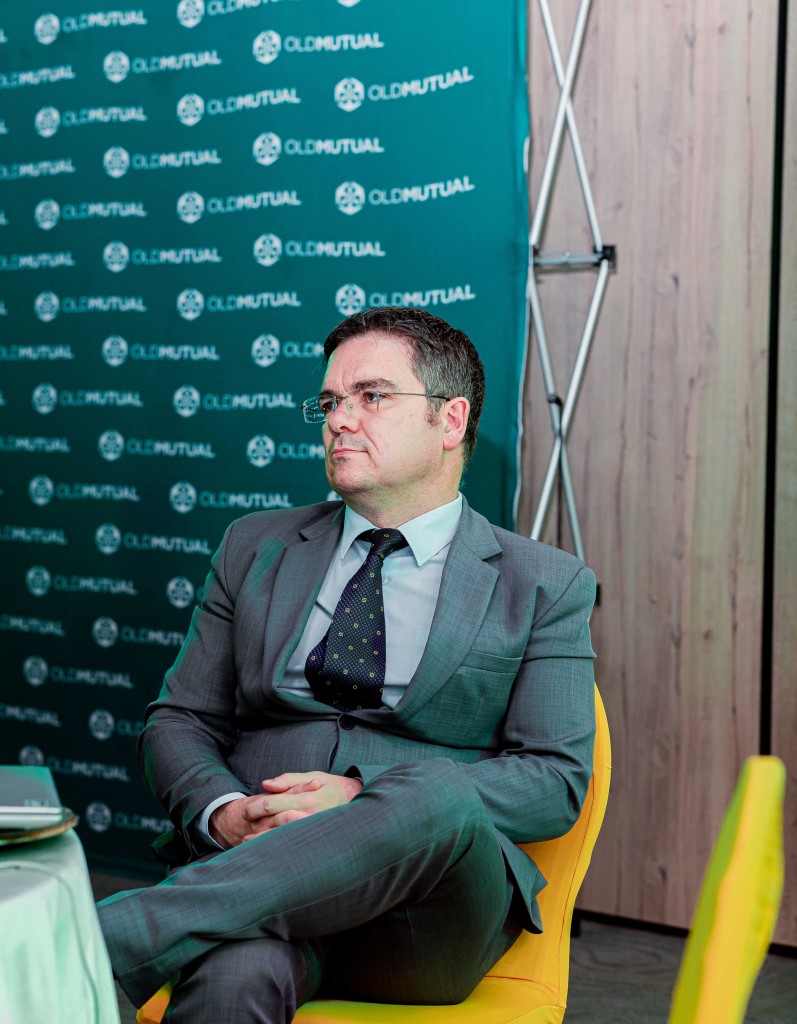
Addressing delegates at the forum, Stephen Walker delivered a compelling analysis of Africa’s evolving pension environment, warning that demographic realities are shifting rapidly while retirement preparedness remains dangerously inadequate. His presentation, grounded in actuarial data and regional pension reform trends, painted a sobering picture of a continent ageing faster than many policymakers, employers and workers fully appreciate.
Walker challenged the long-standing assumption that Africa’s youthful population somehow insulates it from the retirement pressures currently confronting developed economies. While acknowledging that the continent remains comparatively young, he argued that Africa is already undergoing structural demographic changes that will fundamentally reshape its financial obligations over the coming decades. Fertility rates are declining, life expectancy is improving, and healthcare outcomes are gradually extending the number of years people spend in retirement.
For Eswatini, the implications of this demographic transition are becoming increasingly significant. As more citizens live longer, the financial burden associated with retirement support is rising substantially. Walker questioned whether both workers and institutions are adequately prepared for this reality, noting that many people continue to underestimate the amount of money required to sustain a dignified retirement over an extended lifespan.

What makes the challenge particularly complex, he explained, is the behavioural nature of retirement savings itself. Walker described pensions as “the ultimate grudge purchase”, a phrase that resonated strongly with attendees because it captured a difficult truth about financial behaviour across many African economies. In an environment where households are often consumed by short-term survival pressures, retirement planning is frequently viewed as a distant luxury rather than an immediate necessity.
“People are focused on living and surviving now,” Walker remarked during his presentation. “The idea of saving for the long-term future seems alien.”
That mindset, while understandable within challenging economic conditions, continues to weaken retirement outcomes across the continent. Many workers postpone pension contributions until later stages of their careers, while others withdraw retirement savings prematurely during periods of financial distress. The cumulative effect is a growing population of retirees entering old age without sufficient financial protection, increasing dependency on extended families and state support systems.
Walker’s analysis also highlighted structural weaknesses within existing retirement systems. Although Eswatini has made considerable progress in expanding pension access through institutions such as the Eswatini National Provident Fund, significant gaps remain in both coverage and adequacy. Large portions of the workforce, particularly within the informal economy, continue to operate outside formal retirement structures, leaving many financially vulnerable later in life.
At the same time, existing contribution levels often fall short of what is required to sustain meaningful retirement income. Walker explained that global retirement planning standards generally target a replacement ratio of approximately 75 percent, meaning retirees should ideally earn around three-quarters of their final working salary after retirement in order to maintain their standard of living. Achieving such an outcome, however, requires long-term contribution discipline, strong investment performance and uninterrupted savings behaviour over several decades.
According to Walker, sustainable retirement outcomes typically require workers to contribute roughly 15 percent of pensionable income consistently over nearly four decades while earning investment returns that outperform inflation. For many workers across Africa, those conditions remain difficult to achieve due to interrupted employment, limited earnings growth and insufficient financial literacy.
The issue, however, extends beyond individual behaviour. Walker argued that employers and retirement fund trustees also carry significant responsibility for improving retirement readiness. In his view, many organisations continue to treat pension arrangements as administrative obligations rather than strategic workforce investments. Yet retirement insecurity increasingly affects employee productivity, financial wellness and long-term economic stability.
“What should employers and retirement fund trustees in Eswatini do in light of these changes?” Walker asked delegates. “Or should decision-makers wait for government to introduce and enforce change?”
His remarks reflected growing concern within the retirement industry that waiting for legislative reform alone may prove insufficient. Instead, Walker advocated a far more proactive approach centred on improved financial literacy, stronger default contribution structures, enhanced communication with members and broader inclusion of informal and non-traditional workers.
A particularly important aspect of his presentation focused on communication failures within the retirement industry itself. Walker noted that many pension statements remain overly technical and fail to engage ordinary members meaningfully. Concepts such as replacement ratios and actuarial projections are often poorly understood, resulting in widespread disengagement from retirement planning.
“Members don’t pay attention to ratios,” he observed, arguing that retirement projections should instead provide practical estimates of future monthly pension income in clear monetary terms that workers can immediately understand and relate to.
Walker further suggested that technology and artificial intelligence could eventually play a transformative role in retirement planning by enabling more personalised financial guidance tailored to individual household circumstances. Such innovations, he argued, may help bridge the widening gap between increasingly complex pension systems and everyday financial decision-making.
His presentation arrived at a particularly important moment for Eswatini as discussions around pension reform continue to gain momentum. Proposed changes to the national retirement framework, including the planned transition from a provident fund structure towards a pension-based system, signal growing recognition that retirement adequacy must become a national economic priority rather than merely a personal financial concern.
Beyond individual financial security, Walker stressed that retirement systems play a vital role in broader economic development. Well-structured pension systems contribute to national savings mobilisation, capital market development and long-term financial resilience. Conversely, weak retirement systems create mounting fiscal pressure on governments while increasing elderly poverty and intergenerational financial dependency.
Ultimately, Walker’s presentation served as more than a technical discussion on pensions. It was a broader warning about the future sustainability of African economies in the face of demographic transformation and evolving labour markets. His message was unequivocal: retirement planning can no longer remain an afterthought reserved for the final years of employment. It must become an integral component of economic policy, corporate governance and household financial behaviour.
For Eswatini, the challenge now lies not in recognising the problem, but in determining how quickly meaningful action can follow.