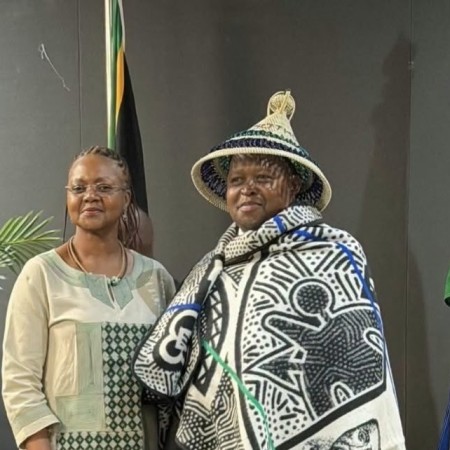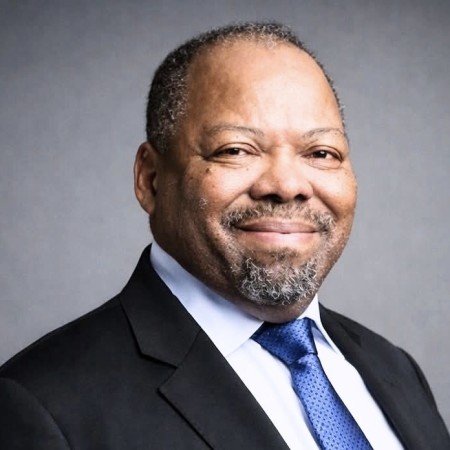





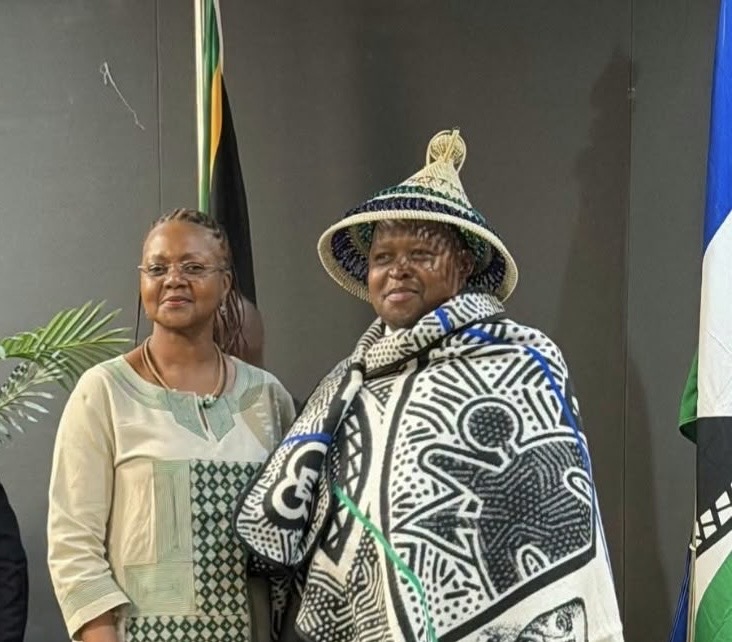
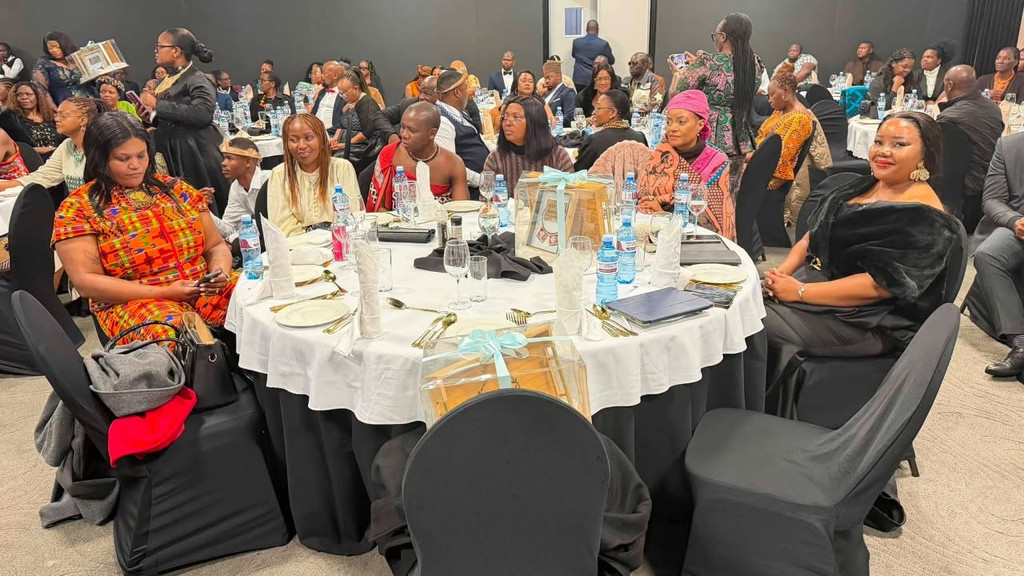
The Office of the Auditor General of Eswatini brought the curtain down on its landmark Inter-SAI Engagement Program with a gala dinner at the Happy Valley Hotel, an occasion that drew Auditor Generals, senior officials, and technical staff from Supreme Audit Institutions across the region into a single room to mark the close of a week defined by candid dialogue, technical exchange, and a shared commitment to strengthening public accountability. The evening carried the unmistakable imprint of African hospitality, with formal and classic attire interwoven with traditional dress, traditional music, dance, and cuisine setting a tone that balanced professional gravitas with cultural celebration, and reinforced the notion that regional audit cooperation is as much about relationship-building as it is about technical alignment.
Convened on a rotational basis among member SAIs, the annual program found itself hosted this year by SAI Eswatini, which used the platform to steer conversation toward one of the more consequential questions now facing public sector auditors across the continent: how Artificial Intelligence can be deployed to sharpen the impact of audits while preserving the ethical guardrails that underpin institutional credibility. For finance and governance professionals watching the sector, the emphasis on AI signals a broader recalibration underway within SAIs; institutions traditionally associated with manual verification and compliance testing are increasingly being asked to modernize their methodologies in step with the digitization of the very government systems they are mandated to scrutinize. That shift carries implications well beyond the audit function itself, touching on procurement oversight, fiscal risk detection, and the speed with which irregularities in public spending can be identified and addressed.
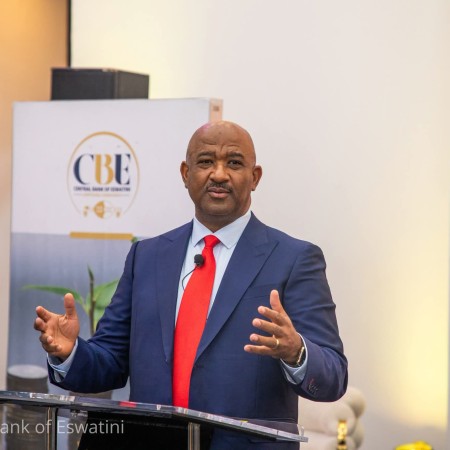
Addressing delegates, Eswatini Auditor General
Timothy Matsebula framed regional solidarity among SAIs as a strategic necessity rather than a diplomatic nicety, arguing that the scale and complexity of contemporary governance challenges have outgrown the capacity of any single institution to confront alone. He told the gathering that the strength of one SAI reinforces the credibility of the collective and characterized the week’s engagements as having been marked by honesty and a practical, forward-looking orientation that left participants not merely better informed but bound by new professional relationships and a renewed sense of shared purpose.
In a subsequent address during the dinner itself, Matsebula extended that sentiment further, describing the occasion as a celebration of a professional community anchored in independence, integrity, and public service, and urging visiting delegations to carry the spirit of unity, respect, and collaboration back into their respective offices as they translate the week’s discussions into institutional practice.
The proceedings were further elevated by the presence of Madala Mhlanga, Deputy Speaker of the Parliament of Eswatini and Chair of the Public
Accounts Committee, who attended as Guest of Honor and used his remarks to affirm the legislature’s backing for a well-resourced and independent audit function. Mhlanga described an effective Supreme Audit Institution as the conscience of government, positioning the work of SAIs as central to safeguarding public resources and to cultivating the trust that must exist between citizens and the state if governance structures are to retain their legitimacy. His comments carried particular weight given the Public Accounts Committee’s role in translating audit findings into legislative and administrative follow-through, and served as a reminder that the value of SAI work is ultimately realized only when audit outcomes are matched by political will to act on them.
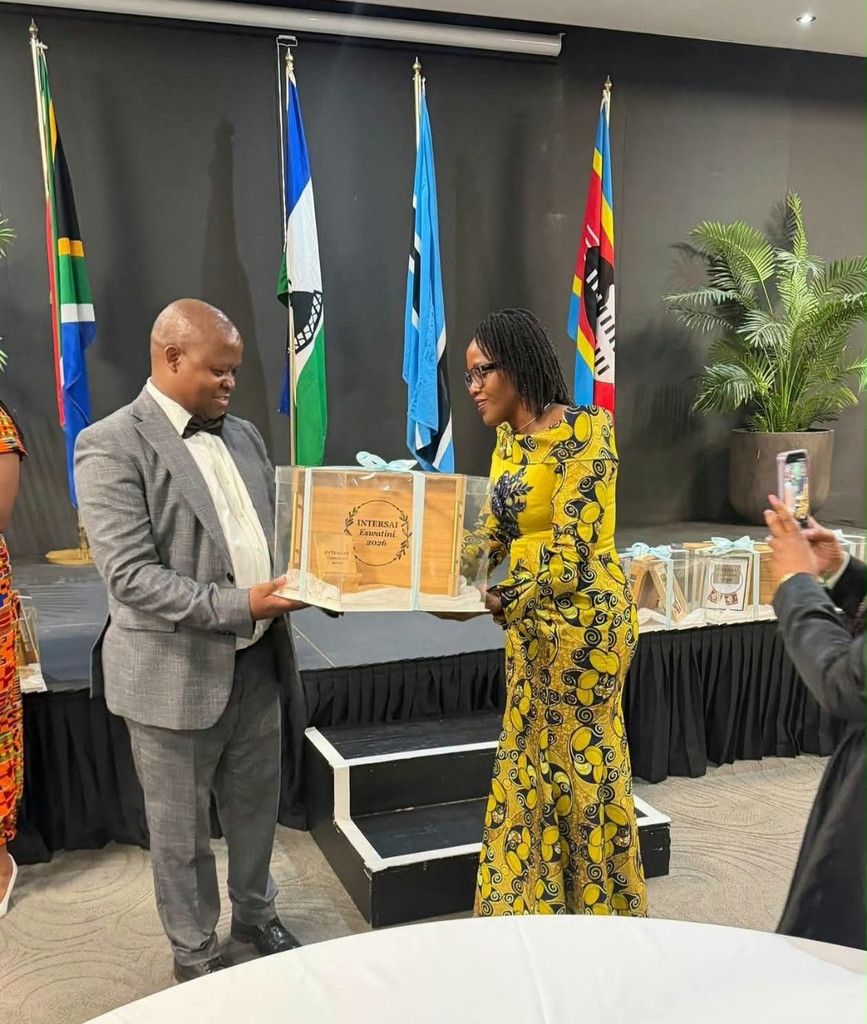
Beyond the formal remarks, the evening allowed Auditor Generals from across the participating SAIs to reflect informally on the outcomes of the week and to exchange gifts as a gesture of goodwill among institutional leadership, a tradition that underscores the personal relationships that often underpin effective cross-border cooperation on technical and regulatory matters. Visiting delegations were unanimous in their appreciation of the hospitality extended by SAI Eswatini, with several noting that the quality of hosting had contributed materially to the openness of the week’s technical sessions.
As delegates dispersed to their respective jurisdictions, they carried with them concrete action plans, freshly established professional networks, and a collective resolve to advance institutional accountability, outcomes that, if translated into sustained follow-through, could meaningfully strengthen the capacity of public financial management systems across the region to withstand the fiscal and digital pressures now reshaping the governance landscape.

Other Articles
20.5% ICT GROWTH OPENS A NEW INVESTMENT LANE