






By: Nkosiyabusa Nsibande
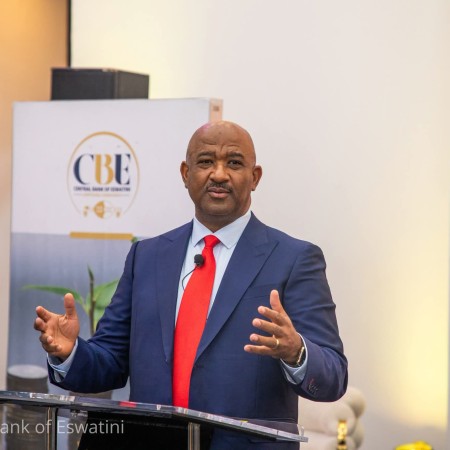
Eswatini’s strategy for developing micro, small, and medium enterprises is expanding beyond improving access to finance towards building the institutional and commercial infrastructure required for businesses to compete sustainably. Speaking yesterday during the MSME Growth Forum and the official launch of the 3rd Made in Eswatini Consumer Choice Awards at MTN Headquarters in Ezulwini, Her Royal Highness Princess Sakhizwe said the country has reached a significant milestone by establishing a nationally consulted definition of “Made in Eswatini”, describing it as another step in creating a recognized identity for locally produced goods and services.
Princess Sakhizwe said the achievement followed two years of building platforms that promote domestic enterprise and was underpinned by an extensive nationwide consultation process coordinated by A Peculiar People. “Today marks yet another defining milestone in the Made in Eswatini journey. Over the past two years… we have been able to establish platforms and an identity to proudly represent the ingenuity and the potential of local goods and services. Today, we reach another significant milestone. Following an extensive consultation process… we can now confidently define what we mean when we say ‘Made in Eswatini’,” she said. A nationally agreed definition creates greater certainty for manufacturers, retailers, policymakers, and consumers by establishing a common standard around the origin and identity of local products, an important component in developing stronger domestic brands and expanding market opportunities.
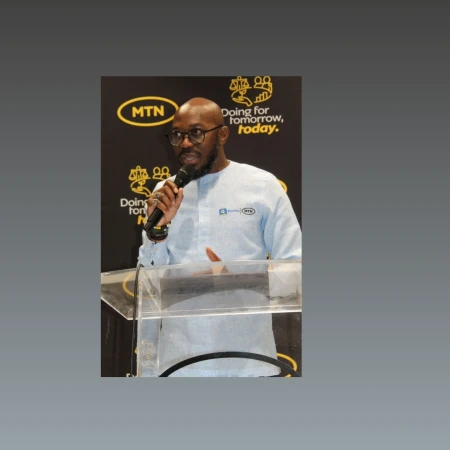
The forum also highlighted that competitiveness increasingly depends on the quality of market infrastructure rather than finance alone. Princess Sakhizwe said stakeholders identified information accessibility as one of the remaining constraints facing MSMEs, prompting the development of an MSME Directory that will consolidate business information onto a single platform. She explained that the initiative is intended to improve information dissemination, facilitate collaboration among enterprises, and maintain integrity within the marketplace by ensuring businesses and products can be verified. “One of the initiatives that we’ve done is the MSME Directory… we need to get a program that will onboard all the MSMEs into the platform and make sure that there is integrity among them in terms of the products they are selling and also the exchange of ideas,” she said. Such market infrastructure reduces information gaps between businesses, customers, and potential partners while increasing the visibility of enterprises seeking new commercial opportunities.
Notably, Princess Sakhizwe observed that access to finance was no longer among the dominant concerns raised during the consultations, suggesting that previous interventions by Government and the financial sector have shifted the policy conversation towards productivity and competitiveness. “They did not talk about issues of access to finance. It means that we’ve done quite a lot, and it’s remarkable what we’ve done in terms of making sure that finance is accessible in terms of affordability, and also using FinTech as well,” she said, adding that discussions instead focused on infrastructure, technology, and expanding research and development for small businesses. The remarks show that enterprise development priorities are increasingly centred on enabling firms to commercialize innovation, improve operational capability, and access broader markets after financing barriers have been progressively addressed.
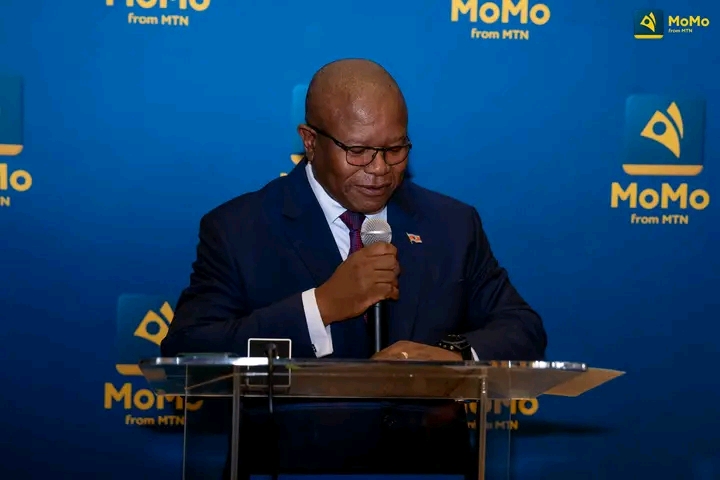
Speaking during the event at the Makhalekhukhwini House yesterday, Minister of Commerce, Industry and Trade Manqoba Khumalo reinforced that shift by describing MSMEs as a strategic pillar of national economic growth rather than simply beneficiaries of development programs. He said Government remains committed to creating an environment in which businesses can “start, grow, compete, and eventually become regional and global players,” while acknowledging the contribution of MTN Fintech in expanding digital inclusion and financial access for entrepreneurs. The minister also commended the nationwide consultation process that produced the foundational definition of Made in Eswatini, saying the engagement of manufacturers, retailers, artisans, entrepreneurs and consumers ensured that the framework reflected the aspirations of Emaswati and strengthened the credibility of the initiative.
While officially launching the third edition of the Made in Eswatini Consumer Choice Awards, Minister Khumalo positioned the programme as a market-based mechanism for strengthening business performance rather than simply recognizing successful companies. “These awards place consumers at the center of the process. It is the consumers who nominate. It is the consumers who evaluate. And it is the consumers who vote. Recognition is therefore earned in the marketplace through trust, consistency, and customer satisfaction,” he said. Unlike conventional business awards determined by adjudication panels, the Consumer Choice Awards measure commercial performance through customer confidence, making brand reputation and consumer loyalty central indicators of enterprise competitiveness.
The Minister further announced that this year’s awards will focus exclusively on emerging brands, products, services, and experiences, a deliberate strategy aimed at increasing the commercial visibility of younger businesses before they reach maturity. He said supporting enterprises during their early stages strengthens the country’s long-term industrial pipeline. “Today’s small businesses are tomorrow’s manufacturers. Today’s innovators are tomorrow’s exporters. Today’s young entrepreneur may very well become tomorrow’s billionaire,” he said, encouraging consumers across the country to participate actively in recognizing local enterprises that demonstrate quality, innovation, and consistency.
This year’s awards ceremony is scheduled for 6 September 2026 at The Mall in Mbabane, marking the first time the event will be hosted within a commercial retail precinct. Minister Khumalo said the venue reflects growing confidence in Eswatini’s commercial infrastructure and demonstrates the role that modern business centres can play in supporting entrepreneurship and expanding market exposure for local enterprises. He added that the Government expects the platform to continue producing brands capable of evolving into nationally recognized businesses, regional exporters, and significant employers, strengthening the contribution of MSMEs to Eswatini’s long-term economic development.