




By: Nkosiyabusa Nsibande
According to the 2027 SADC Sustainable Energy Week Sponsorship Presentation, Southern Africa requires approximately E897.6 billion (US$52.8 billion) in energy investment by 2040 to address growing electricity demand and modernize regional infrastructure. The presentation showed that the region’s electricity demand has reached 58.9 gigawatts, while available operating generation capacity stands at 57 gigawatts, highlighting an electricity deficit that continues to constrain industrial productivity, manufacturing growth, and broader economic expansion.
Rather than presenting energy as a technical challenge alone, the launch framed it as one of the region’s largest investment opportunities. The financing gap creates significant opportunities for commercial banks, pension funds, insurance companies, infrastructure investors, development finance institutions, and private equity firms seeking long-term investments in strategic infrastructure. Renewable energy plants, transmission networks, battery storage facilities, smart grid technologies, and green hydrogen projects all represent sectors capable of attracting substantial private capital over the coming years.
The presentation further revealed that 25.7 gigawatts of new electricity generation capacity have already been committed across Southern Africa between 2025 and 2027. This demonstrates that governments across the region have increasingly moved beyond policy discussions towards implementation, creating a growing pipeline of projects requiring sophisticated financing structures, syndicated lending, blended finance, guarantees, and private sector participation.
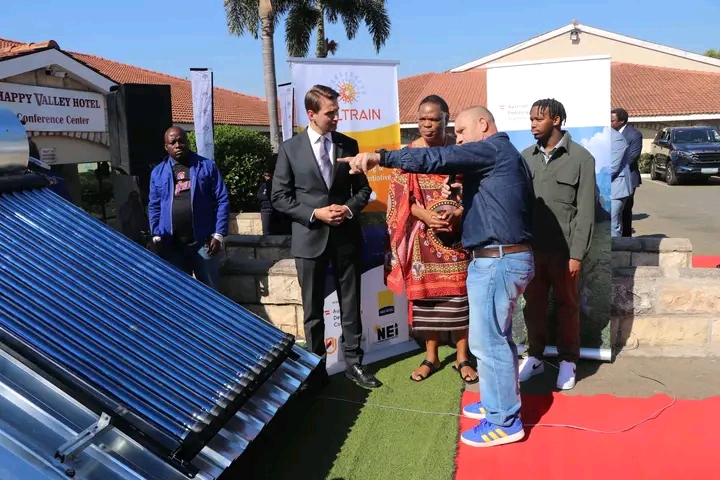
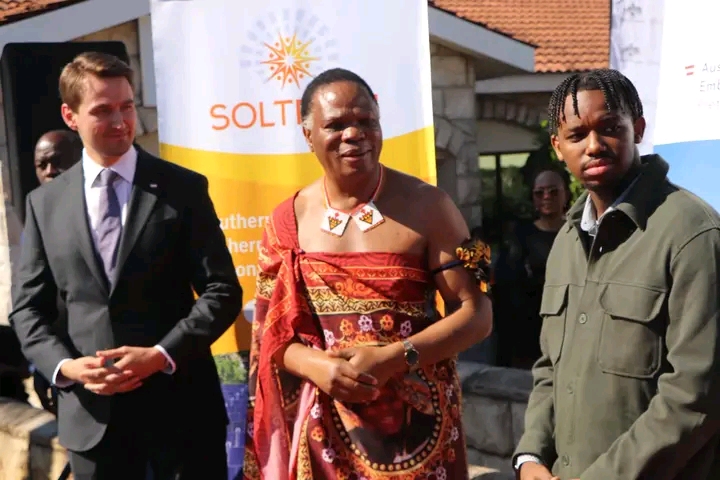
The launch also highlighted Eswatini’s strategic position within this evolving regional investment landscape. By hosting the 2027 SADC Sustainable Energy Week, the country has positioned itself as a meeting point for governments, investors, utilities, regulators, development partners, and independent power producers seeking to unlock investment opportunities across Southern Africa’s energy sector.
According to the presentation, one of the centerpieces of the regional event is the Investment Forum, which focuses specifically on project pitching, investor matchmaking, and business-to-business engagement. Unlike conventional conferences where technical presentations dominate proceedings, the Investment Forum has been structured to connect project developers directly with financiers, allowing commercially viable projects to secure investment and strategic partnerships.
The realities of Southern Africa’s electricity market strengthen the regional investment case. The presentation reported that average electricity access across the SADC region remains at 50 percent, while many member states continue to rely heavily on biomass and charcoal for cooking. Expanding access to affordable and reliable electricity therefore requires significantly more private investment alongside public sector funding, particularly in transmission infrastructure, renewable energy generation, and distributed energy solutions.

Regional integration also emerged as a major financial theme during the launch. According to the presentation, only 7 percent of electricity traded through the Southern African Power Pool (SAPP) currently takes place on competitive trading platforms. The presentation identified improved transmission infrastructure and the Regional Transmission Infrastructure Financing Facility (RTIFF) as critical mechanisms for expanding electricity trade, improving energy security, and creating more efficient regional power markets. For investors, these reforms represent new opportunities in cross-border infrastructure financing and regional electricity trading.
The business case for hosting the event extends beyond the energy sector itself. More than 800 delegates from all 16 SADC member states are expected to participate, including energy ministers, utility chief executives, regulators, independent power producers, development finance institutions, and international investors. Such a concentration of high-level decision-makers creates valuable commercial opportunities for companies operating in engineering, construction, financial services, legal advisory, consulting, manufacturing, information technology, and professional services.

The commercial value attached to the event is reflected in its sponsorship structure. According to the presentation, premium sponsorship packages range from approximately E340,000 for Silver sponsorship to E1.7 million for Diamond sponsorship, with additional sponsorship opportunities available for networking events, cultural programs, delegate materials, media partnerships, and exhibition spaces. These sponsorship levels demonstrate the commercial significance attached to direct engagement with regional policymakers, financiers, and infrastructure developers.
The presentation also highlighted emerging industries expected to attract increasing levels of investment across Southern Africa. Green hydrogen, energy storage technologies, digital energy systems, smart grids, and energy efficiency solutions were identified as priority sectors capable of driving future economic growth while supporting the region’s energy transition. As governments seek to diversify their energy mix, these industries continue to attract growing interest from international investors looking for bankable projects aligned with global sustainability objectives.
Financial innovation also formed part of the program through introducing the Sustainable Energy Finance Innovator Award, recognizing institutions developing innovative funding models that accelerate sustainable energy investment. The inclusion of a finance-focused award underscored the growing recognition that achieving the region’s energy ambitions depends not only on technology and policy reforms but also on innovative financing mechanisms capable of mobilizing large-scale private capital.
The launch ultimately demonstrated that the 2027 SADC Sustainable Energy Week represents far more than a regional energy conference. Based on the figures presented, the event serves as a strategic platform for mobilizing investment, strengthening regional financial partnerships, and accelerating infrastructure development across Southern Africa. For Eswatini, hosting the regional gathering elevates the country’s profile within one of Africa’s largest emerging infrastructure investment markets and reinforces its position as an important participant in shaping the region’s future energy economy.