




By: Noncedo Shabangu
The European Union says Eswatini needs to align ICT training more closely with actual employer demand as digital technologies reshape the workplace. EU Ambassador Karsten Mecklenburg said the Skills for Youth programme’s ICT Skills Demand Mapping exercise is intended to provide evidence on the roles, competencies and skills gaps businesses are experiencing, while supporting a more flexible training system.
Eswatini’s investment in digital infrastructure will need to be matched by a workforce with the skills to use, build and manage new technologies if the country is to realise the economic benefits of digitalisation, according to European Union Ambassador to Eswatini Karsten Mecklenburg.
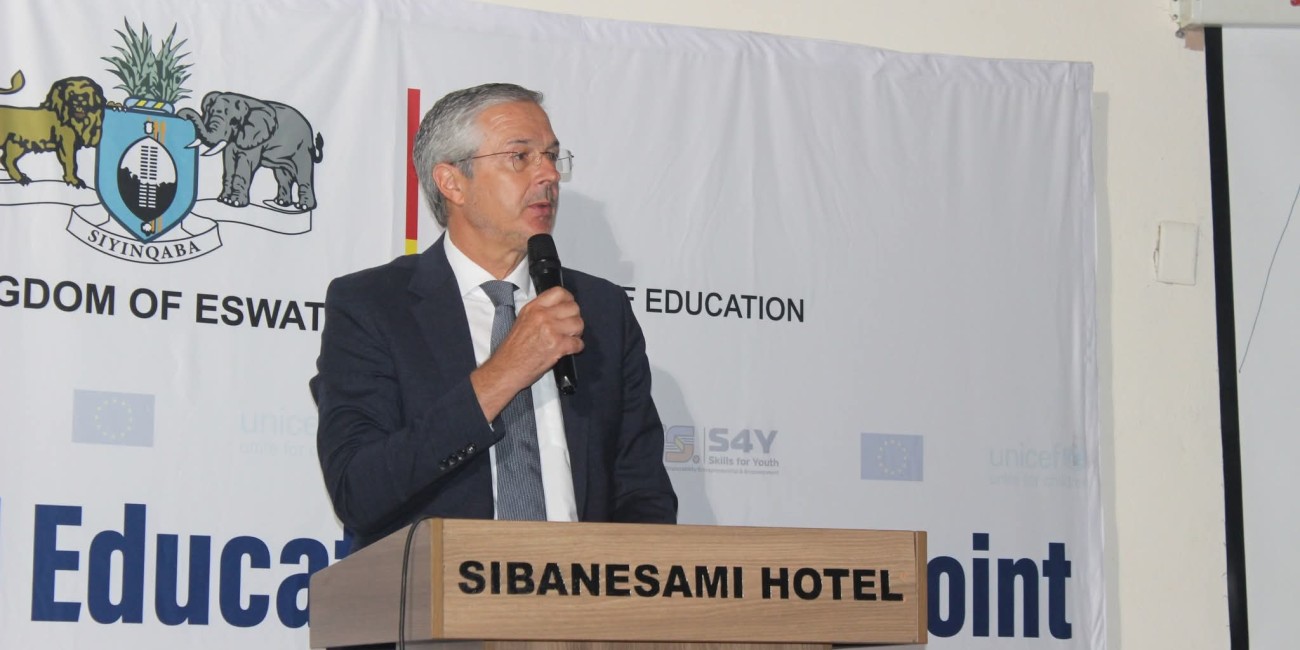
Speaking at the ICT Skills Demand Mapping Validation Breakfast at Royal Villas, Ezulwini, on Thursday, Mecklenburg said the exercise supported under the EU-funded Skills for Youth programme was aimed at strengthening the connection between what training institutions provide and what modern industries require. He said the challenge is particularly important in a country facing high youth unemployment, with the unemployment rate among young people aged 15 to 35 estimated by him to be close to half. At the same time, businesses continue to report difficulty finding candidates with the specific professional skills needed to support innovation, productivity and competitiveness.
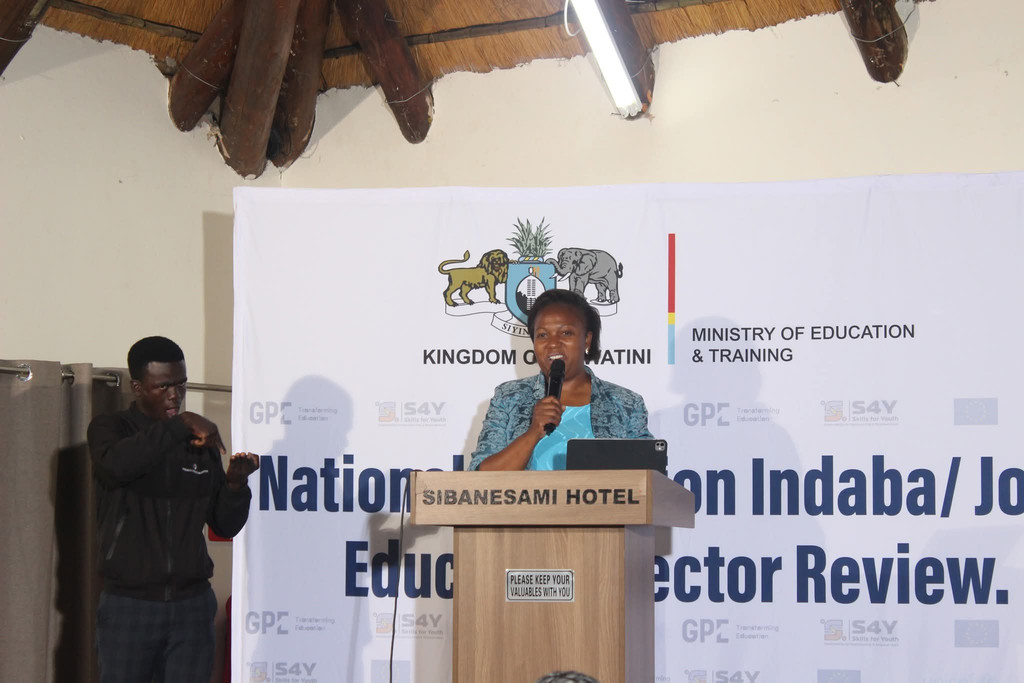
Mecklenburg described this as a paradox in which young people are searching for work while employers say they cannot find the skills they require. The S4Y programme was designed to help bridge this gap by supporting Government, Technical and Vocational Education and Training institutions and the business sector to make skills development more responsive to the needs of the market. For the ICT sector, that means establishing what employers actually need rather than relying on assumptions about future skills demand.
Mecklenburg said Eswatini has made progress in digital infrastructure, with the World Bank’s Digital Economy Diagnostic reporting mobile broadband coverage of around 90% of the population. However, he said only about a third of the population actually uses the service. The gap between access and use points to a wider challenge for the digital economy, particularly because infrastructure alone does not create the skills needed to build, operate and use digital technologies.
Eswatini already has a growing pool of ICT talent. Mecklenburg said more than 400 young people graduate in ICT from the country’s universities and colleges each year, while others acquire digital skills through alternative pathways. The challenge, he said, is ensuring that this talent is matched with productive opportunities by bringing training output closer to what employers actually require. That is the role of the demand mapping exercise, which gathered information directly from employers, training institutions and regulators to establish a clearer picture of ICT skills demand in Eswatini.
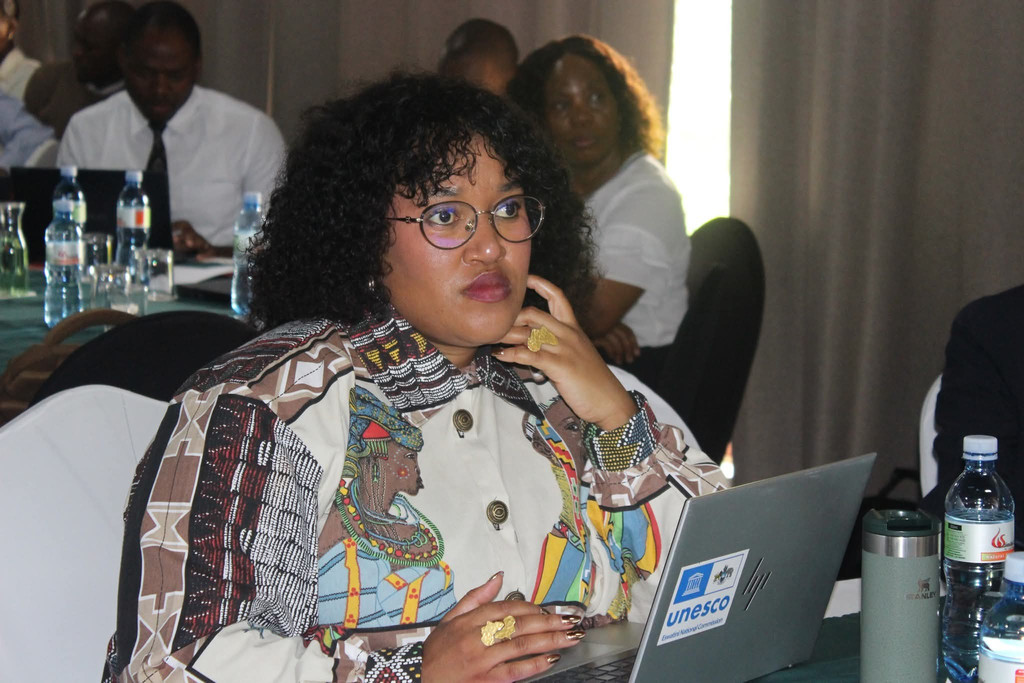
According to Mecklenburg, the exercise examined the specific positions businesses are recruiting for, the competencies required in those roles and the gaps currently affecting the sector. The findings were then presented for validation by the same stakeholders who hire, train and regulate within the sector. Mecklenburg stressed that this validation is important because the credibility of the evidence depends on whether it reflects the actual experience of businesses and institutions operating in Eswatini. He urged participants to challenge the findings where necessary, identify missing trends and point out where particular competencies may need to be given greater priority.
The exercise also comes as the technology landscape changes rapidly. Mecklenburg identified Artificial Intelligence, big data and analytics, cloud computing and cybersecurity as areas that are reshaping the global workplace and creating new skills requirements. Because those requirements will continue to change, he said Eswatini’s training system needs to become more adaptable, including through shorter, industry-recognised and stackable training pathways and stronger structural links between employers and training providers. The Ambassador also stressed the importance of ensuring that opportunities created through the skills system are inclusive, particularly for young women who remain under-represented in technical and ICT roles.
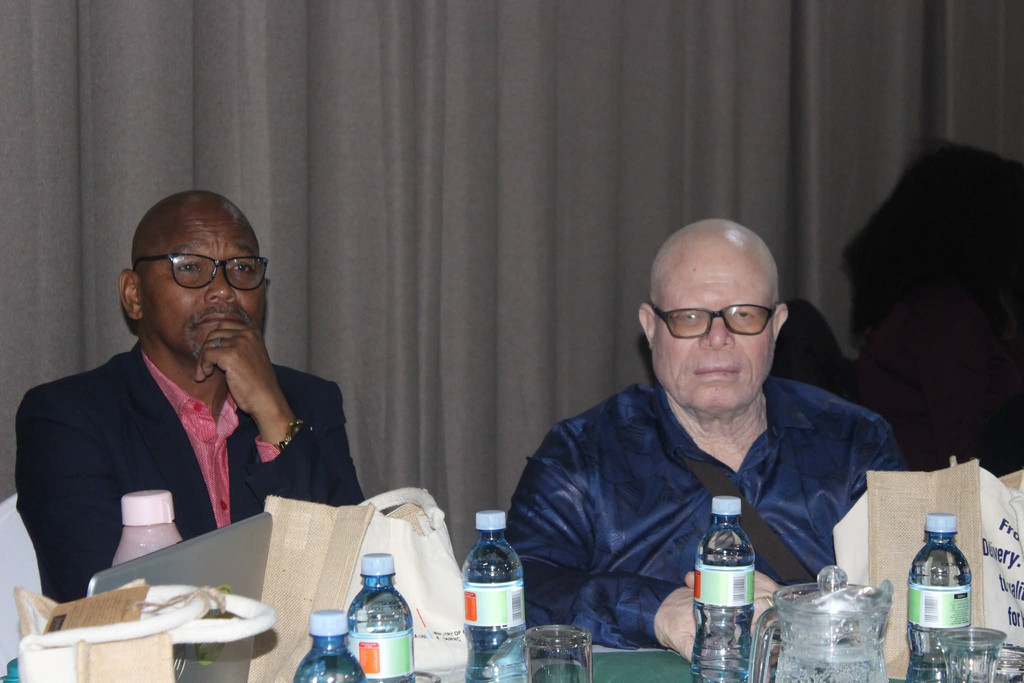
For the EU, the objective is therefore not simply to increase the number of people trained in ICT, but to ensure that training is linked to genuine employment and business demand. “We want to stop investing in skills that look good on paper but do not lead to employment, and instead invest heavily in the exact technical capabilities and practical competencies that you need to scale your businesses,” Mecklenburg said. The next step is for stakeholders to establish a shared understanding of the ICT skills the economy needs and determine how Government, industry and training institutions can respond together.
Mecklenburg said the EU also hopes the exercise will lead to a longer-term mechanism, such as an ICT skills working group, that keeps employers, training institutions and Government around the same table. Such a mechanism would help keep skills-demand evidence current and translate the findings into practical cooperation between those who train young people and those who employ them. Ultimately, Mecklenburg said, the aim is to help more young Emaswati move into meaningful and productive employment while strengthening the competitiveness and resilience of Eswatini’s economy.


Other Articles