




By: Nkosiyabusa Nsibande
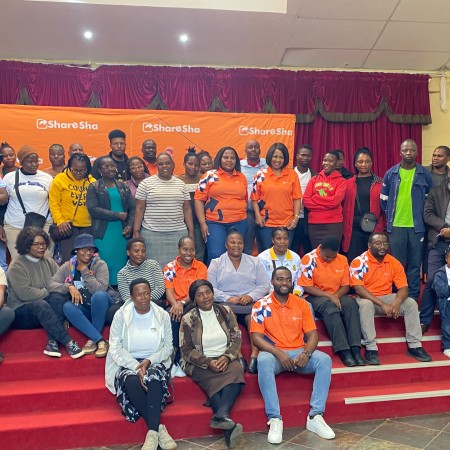
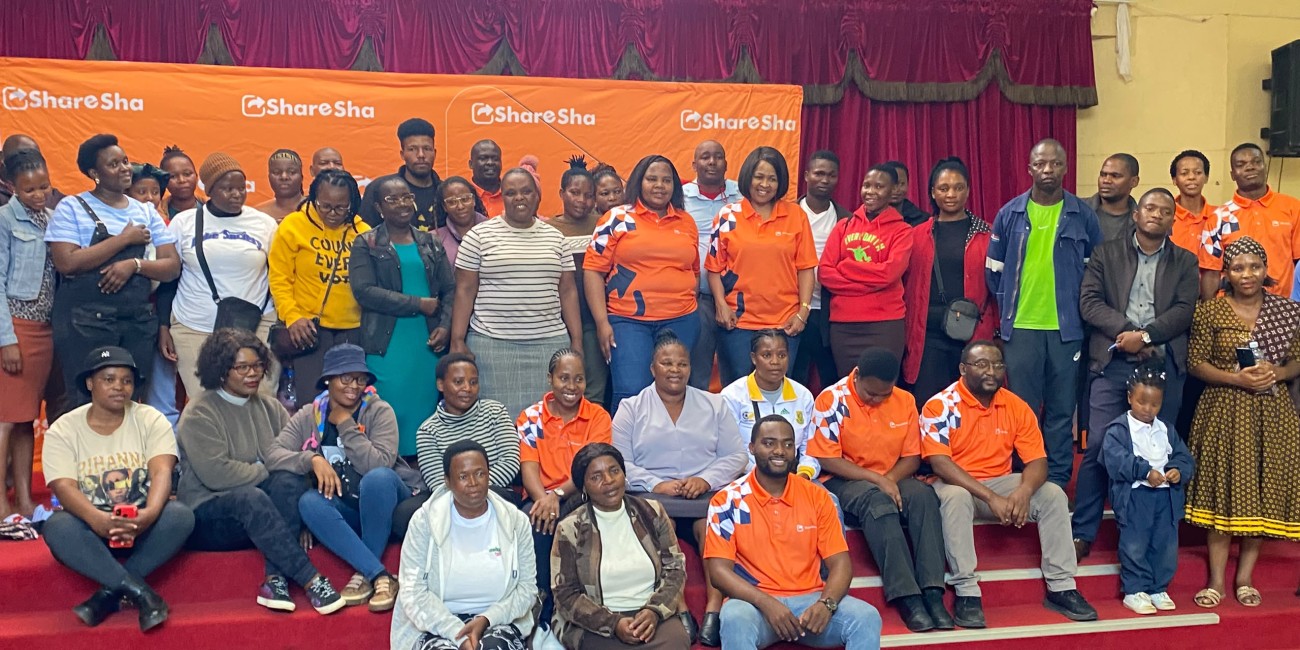
Eswatini Bank is extending its digital-finance strategy into the Shiselweni region through ShareSha, a service that combines mobile-based money management with agency banking designed to bring selected banking services closer to customers. Presented at the launch in Nhlangano, the model seeks to address a practical limitation of conventional banking: the distance between customers and the physical locations where they can deposit or withdraw cash, settle bills, and access other financial services. By pairing the ShareSha digital wallet with authorized agents, the bank is positioning the service as a way to connect electronic payments with the local communities and businesses that depend on accessible cash services.
The agency-banking component is particularly relevant because digital financial services cannot operate in isolation from the cash economy. Many households and small businesses receive, hold, or spend cash even as electronic payments become more accessible. A wallet can facilitate money transfers between users. However, customers may still need a nearby point of deposit to add cash to the system or withdraw funds for expenses that cannot be settled digitally. ShareSha’s agency model is designed to address this requirement by enabling authorized agents to provide cash-in and cash-out services, airtime recharges, electricity and water bill payments, and scan-and-pay transactions.
For small traders, the commercial opportunity lies in bringing more payment options into the daily exchange of goods and services. A business that can receive digital payments and use electronic channels to settle selected bills may have greater flexibility in managing transactions with customers and suppliers. Digital records can also make it easier to review the movement of money than relying exclusively on informal cash records, although the financial benefit will depend on how consistently the business uses the service and how the records are incorporated into its bookkeeping. ShareSha’s ability to support transfers, payments, and money management therefore makes it relevant beyond individual consumers, extending to businesses that need practical tools for everyday financial operations.
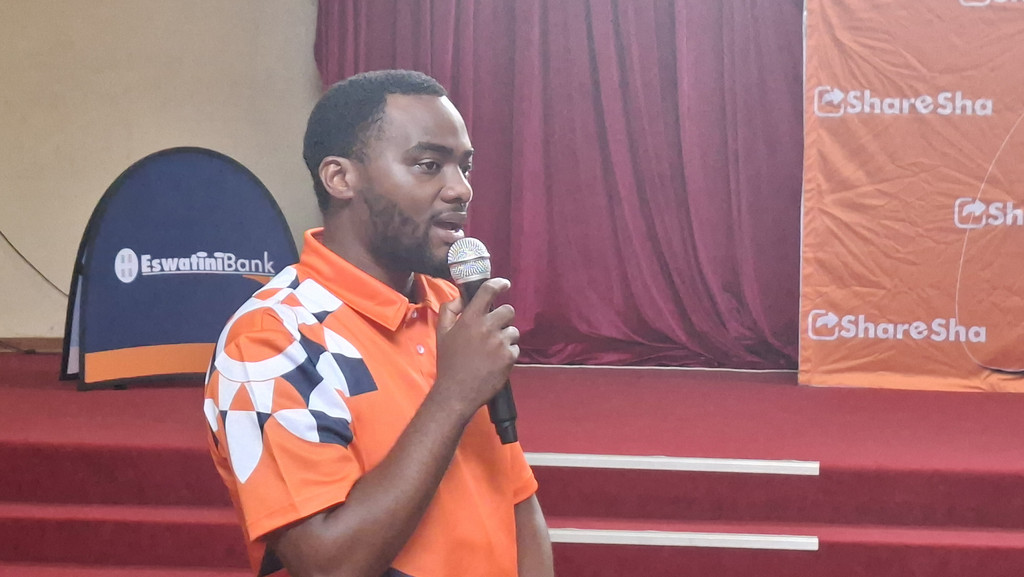
The bank’s presentation also outlines an opportunity for eligible local businesses to participate as ShareSha agents. Applicants are required to have a valid trading license compatible with mobile money, alongside the specified identification and contact requirements. Registration is free at any Eswatini Bank branch, and the presentation states that no start-up capital is required to register as an agent. This lowers the stated initial barrier to joining the agency network, potentially allowing qualifying businesses to explore an additional service offering without committing dedicated start-up capital at the time of registration. It does not, however, establish that operating an agency carries no other costs or that agents are guaranteed income.
For participating traders, agency banking could create an additional source of customer traffic by bringing people to their premises to make deposits, withdraw funds, pay bills, and purchase airtime. Such visits may provide opportunities for customers to purchase additional goods or services, although the extent of any additional sales will depend on the location, customer demand, and each agent’s commercial performance. The model also has the potential to broaden the distribution of basic financial services by using existing local businesses as access points rather than relying exclusively on bank branches. This makes the agent network an important part of the service’s expansion strategy, particularly in communities where proximity and convenience influence how people manage their money.
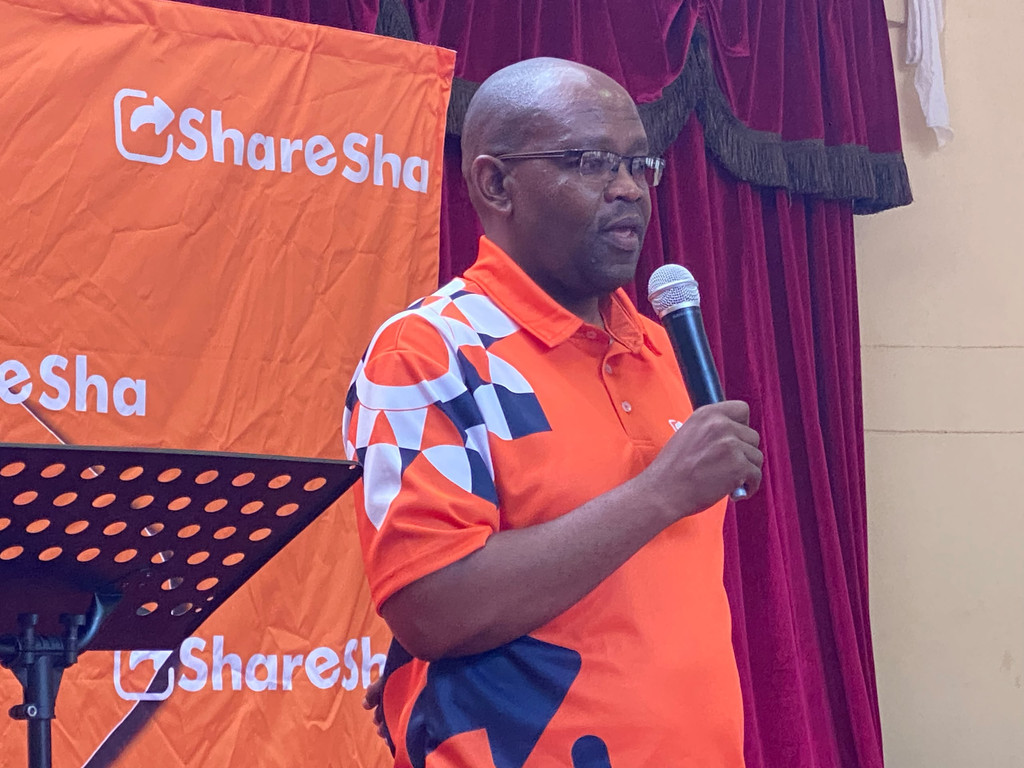
ShareSha’s digital-wallet functions complement this physical distribution model. Customers can transfer money to other wallet users and bank accounts, pay bills, purchase airtime and data, load a linked prepaid card, and access cash withdrawals at ATMs. The wallet also includes a scan-and-pay feature, which could support electronic transactions where the relevant payment infrastructure and merchant acceptance are available. For businesses, the combination of these functions offers a framework for moving between cash and digital payments, rather than requiring every financial interaction to take place through a single channel.
The commercial value of the rollout will ultimately depend on adoption by both customers and agents. A functioning agency network requires sufficient transaction volumes, reliable access to cash, effective customer support, and clear rules governing fees, transaction limits, and settlement procedures. Agents must also understand the security and verification requirements associated with handling customer transactions. The bank’s presentation identifies security, transparency, authentication, and customer controls as priorities for the wallet, but the model’s long-term performance will depend on how these principles are implemented in daily operations.
For Shiselweni’s small-business sector, the opportunity lies in using the service as part of a broader shift towards more accessible and efficient financial transactions. ShareSha does not, by itself, establish that businesses will increase sales, reduce operating costs, or secure better access to credit; those outcomes would require further evidence. Its immediate proposition is more specific: to extend selected banking services through a combination of mobile technology and authorized local agents. If the model attracts sustained customer use and creates a commercially viable role for participating businesses, it could strengthen the connection between digital finance and the local economy.

Other Articles
ShareSha Cuts the Cost of Accessing Banking Services