




By Noncedo Shabangu
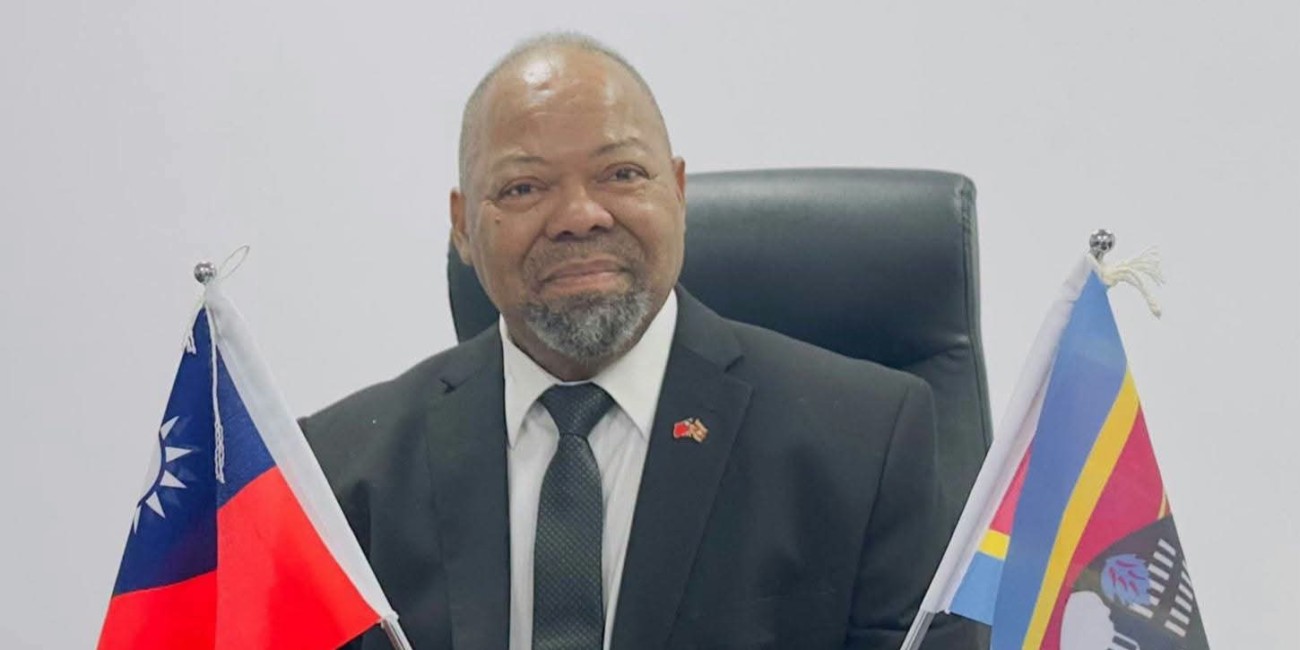
Setting practical targets to strengthen national economic capacity, the 28th Joint Ministerial Conference on Economic and Technical Cooperation brought together state leaders and technical experts from Eswatini and Taiwan. Co-chaired by Minister for Economic Planning and Development Dr. E.T. Gina and Taiwan Minister for Economic Affairs Ming-Hsin Kung, the virtual summit focused on accelerating digital transformation, expanding internet security, growing the tourism sector, and improving trade access to create long-term employment for youth and women across the Kingdom.
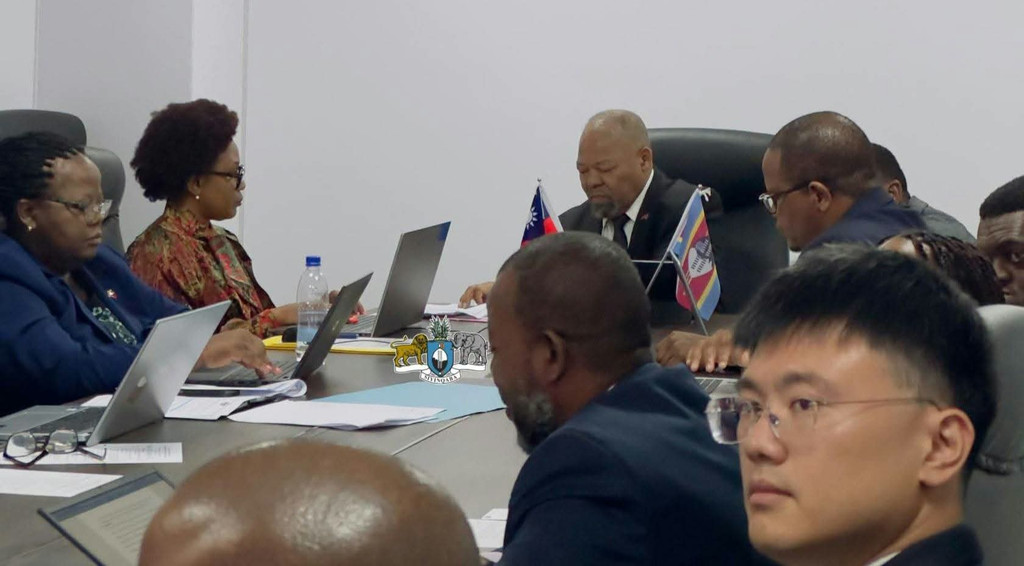
Minister for Economic Planning and Development Dr. E.T. Gina and Taiwan Minister for Economic Affairs Ming-Hsin Kung co-chaired the 28th Joint Ministerial Conference on Economic and Technical Cooperation during a virtual summit in Mbabane. Senior government leaders and technical experts from both nations joined the annual online meeting to review ongoing bilateral projects, resolve operational delays, and establish concrete frameworks for expanded trade and technical cooperation.
Opening the proceedings, Minister Gina noted that the bilateral relationship, established in 1968, remains grounded in mutual trust and a shared vision for national development. Minister Gina emphasized that long-standing diplomatic ties must now deliver direct commercial returns by strengthening public institutions, encouraging private enterprise, and expanding sustainable job opportunities for young citizens and women across Eswatini.

Accelerating Eswatini’s digital transformation agenda formed a central focus of the economic discussions. Working teams examined practical ways to transfer Taiwanese technology, upgrade national cybersecurity networks, and modernize digital tools for local companies. Integrating secure digital systems into business operations will help local enterprises improve efficiency, protect financial data, and trade more effectively across regional markets.
Expanding the tourism industry emerged as another key area for rapid economic growth. Technical delegations agreed on joint measures to upgrade local hospitality facilities, streamline trade facilitation, and market Eswatini’s cultural and natural attractions at major international trade exhibitions to attract more foreign visitors. The ministerial agenda also covered trade facilitation, business engagement, and health financing, reinforcing the principle that building resilient healthcare systems and achieving universal health coverage are essential for sustaining a healthy, productive national workforce.

The conference also covered health financing and universal health coverage, reinforcing the principle that building resilient healthcare systems is essential for maintaining a healthy, productive workforce.
Closing the virtual summit, Minister Gina instructed technical teams from both countries to enforce strict implementation schedules, track performance metrics, and ensure all signed commitments lead to visible public benefits. Reaffirming Eswatini’s ongoing support for Taiwan’s participation in international forums, including the United Nations system, the state leaders confirmed that the outcomes of the 28th conference will guide the next phase of economic partnership between the two nations.

ShareSha Brings Digital Payments Closer to Shiselweni Businesses