





By: Nkosiyabusa Nsibande
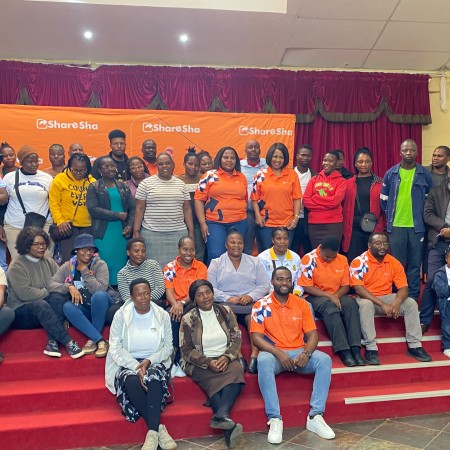
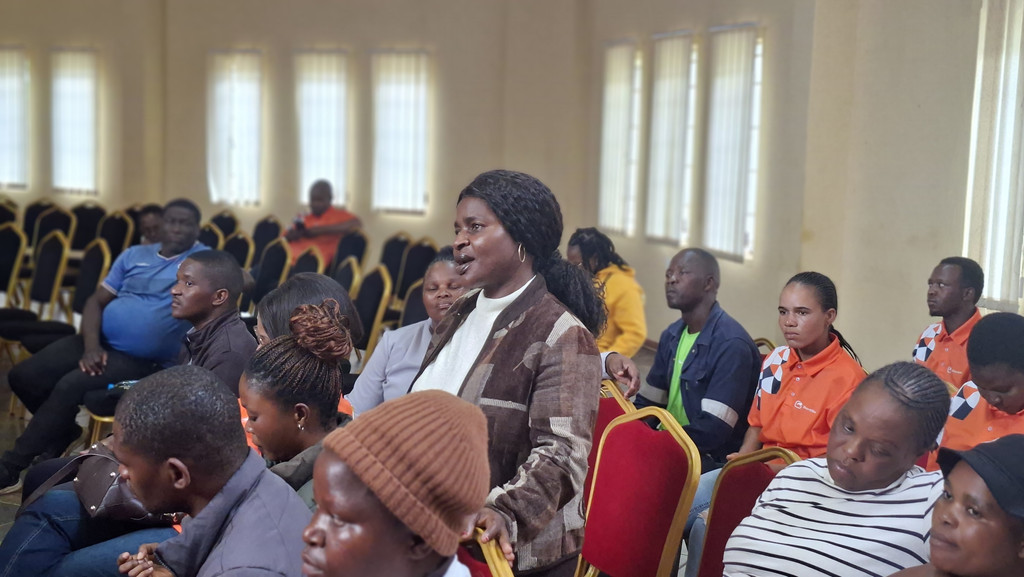
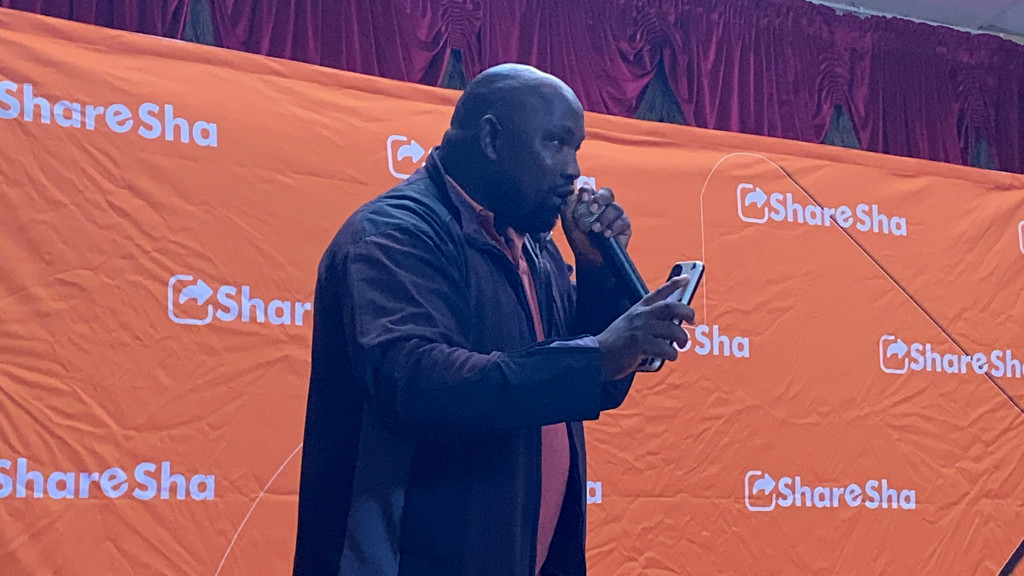
Eswatini Bank is widening its approach to financial inclusion through ShareSha, a digital wallet designed to reduce the initial costs and administrative barriers associated with accessing everyday banking services. Introduced in the Shiselweni region at Nhlangano, the service allows customers to register without paying a registration fee or making an opening deposit, while the bank’s presentation also highlights the absence of monthly wallet charges. The proposition places affordability at the center of digital banking, particularly for people who need to transfer money, pay household bills, and access essential services without incurring additional account-maintenance costs.
The product addresses a specific challenge identified by the bank, some EmaSwati who require financial services do not meet the requirements traditionally associated with opening bank accounts. The presentation identifies the initial deposit and proof of residence as requirements that can be difficult for prospective customers. ShareSha is intended to widen access by offering a registration process that can be completed from home, subject to the bank’s verification requirements, using a national identity document or valid passport, a mobile phone and a valid mobile number. The bank states that it verifies the validity of identity documents through the relevant Home Affairs system, making identification and verification part of the registration process.
For households operating on tight monthly budgets, the significance of a wallet without monthly charges lies in the potential to reduce the cost of maintaining access to financial services. Small, recurring account charges can absorb money that would otherwise be available for transport, food, utilities, or savings. By removing the registration fee, opening-deposit requirement, and monthly wallet charges identified in its presentation, Eswatini Bank is offering an alternative for customers who want access to digital transactions without the same initial financial commitment. The actual benefit to individual customers will depend on their transaction patterns and any applicable transaction charges, which were not detailed in the presentation.
ShareSha also brings together several services relevant to everyday household financial management. Customers can transfer money, pay bills, purchase airtime and data, load a prepaid card, and make other everyday payments through their phones. The presentation lists electricity and water bill payments, school fee payments, and ATM cash withdrawals as available services. This combination gives the wallet a broader role than simply holding money electronically, because it is designed to support transactions that households already undertake as part of their monthly spending.
The prepaid-card connection is another feature highlighted by the bank, which describes ShareSha as a wallet linked to a prepaid card. Customers can load the card through the wallet, creating an additional way to access and use their funds. The service also includes a scan-and-pay function, while its transfer capabilities are designed to support the movement of money between wallet users and to bank accounts. Together, these features seek to make digital payments more practical for customers who need flexibility in how they send, receive, and spend money.
However, access to a digital wallet is only the first stage of financial inclusion. Its broader value will depend on whether customers use it regularly, whether the available payment channels meet their needs, and whether transaction costs remain affordable. Clear information on applicable fees, transaction limits, cash-out charges, and customer-protection procedures will therefore be important in helping users compare ShareSha with the alternatives available to them. The bank’s presentation identifies security, transaction transparency, authentication, and customer controls as essential components of the service, recognizing that convenience must be accompanied by confidence in the handling of money.
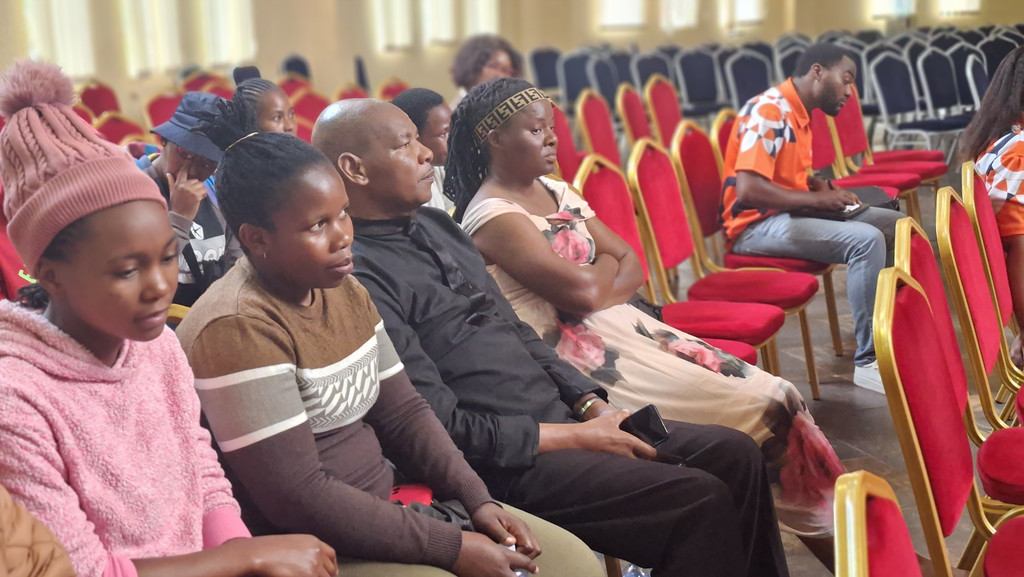
The launch in Shiselweni provides Eswatini Bank with an opportunity to demonstrate how digital banking can reach customers beyond conventional branch-based interactions. If the service translates its low-entry-cost proposition into sustained use, ShareSha could help more households conduct routine payments electronically, maintain clearer records of their transactions, and become more familiar with formal financial services. Its central test will be whether the combination of affordable access and practical payment functions delivers a meaningful improvement in how customers manage their money.

Other Articles

ShareSha Brings Digital Payments Closer to Shiselweni Businesses
EU Pushes Evidence-Led ICT Skills Pipeline for Eswatini