





By: Nkosiyabusa Nsibande
Eswatini’s participation as a founding member of the Africa Strategic Investment Alliance (AfSIA) marks a significant shift in the country’s approach to economic development, positioning the Kingdom within a continental framework designed to mobilize investment, accelerate digital transformation, and expand financial inclusion.
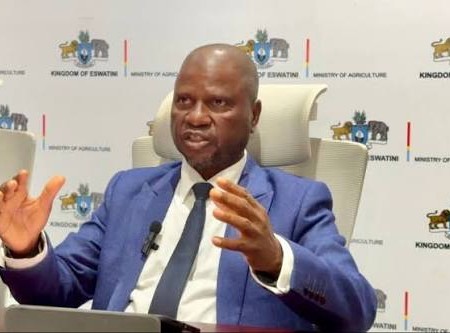
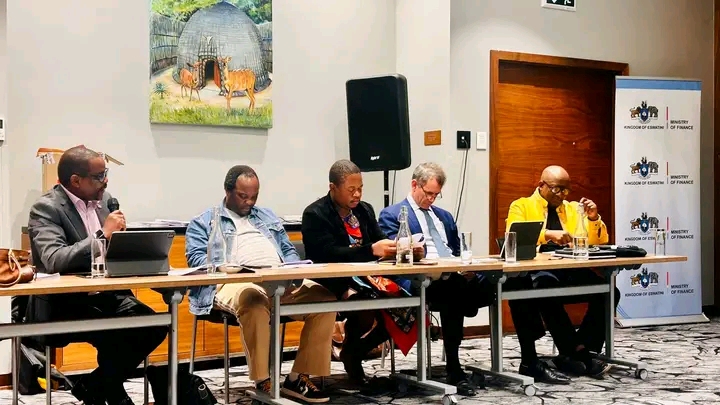
Speaking during Finance in Focus, Minister of Finance Neal Rijkenberg described AfSIA as a strategic platform that brings together African governments, investors, and development partners with the objective of unlocking investment opportunities across the continent. For Eswatini, membership represents more than a diplomatic milestone. It provides access to networks, capital, and partnerships that could support the country’s long-term ambitions of building a more diversified and resilient economy
The Minister indicated that the alliance is expected to play an important role in attracting investment into sectors that have the potential to generate employment while also supporting the country’s digital and financial inclusion agenda. As financial systems across Africa continue to evolve, governments are increasingly recognising the importance of ensuring that businesses and individuals have access to formal financial services. Expanding financial inclusion remains critical for economic growth, particularly for small and medium-sized enterprises (SMEs), which often face challenges accessing affordable finance required for expansion and job creation.
The emphasis on digital inclusion is equally significant. Across the continent, digital technologies are becoming central to economic competitiveness, influencing everything from financial services and trade to education and public service delivery. By participating in a platform focused on strategic investment and digital transformation, Eswatini is seeking to position itself within emerging economic trends that are increasingly shaping investment decisions globally. Improved digital infrastructure and greater access to financial technology could help unlock opportunities for entrepreneurs, improve efficiency across industries and support broader economic participation.
The Minister further noted that attracting investment remains one of the most effective ways of creating sustainable employment opportunities. Foreign and domestic investment inject capital into the economy and contribute to skills development, technology transfer, and the growth of local supply chains. In an environment where governments across Africa are competing for investment capital, participation in regional and continental investment platforms may enhance Eswatini’s visibility among potential investors seeking stable and emerging markets.
Alongside discussions on AfSIA, the Minister also provided insight into the country’s fiscal position, particularly the role played by Southern African Customs Union receipts. SACU revenues continue to represent a significant component of government income and remain an important determinant of fiscal planning and budget execution. Fluctuations in these receipts have historically influenced government expenditure decisions and overall fiscal stability, making them a closely watched indicator within the country’s public finance framework.
While recent SACU inflows have provided some support to government finances, the Minister highlighted the importance of avoiding excessive dependence on customs revenues. The inherent volatility of SACU receipts presents a long-standing challenge for member states, as revenue allocations are influenced by regional trade performance and economic conditions beyond the control of any individual country. This reality has reinforced the need for governments to strengthen domestic revenue generation and expand productive sectors of the economy capable of generating sustainable growth.
The connection between the AfSIA initiative and fiscal sustainability is particularly noteworthy. Increased investment activity has the potential to broaden the country’s tax base, stimulate business formation and create new sources of economic output. Over time, these developments can reduce vulnerability to external revenue fluctuations while strengthening the government’s capacity to fund development priorities through generated resources.
The Minister’s remarks reflect a broader policy direction focused on positioning Eswatini for long-term economic resilience. By pursuing investment partnerships, advancing digital and financial inclusion, and reducing dependence on volatile revenue streams, the government is seeking to build foundations for more sustainable growth. The success of this strategy will depend on the country’s ability to convert investment opportunities into tangible economic activity that delivers jobs, strengthens enterprises, and expands participation in the formal economy.
As competition for investment intensifies across Africa, Eswatini’s role as a founding member of AfSIA places the country within an emerging network aimed at shaping the continent’s investment future. For policymakers, businesses, and investors alike, the initiative represents a potential avenue through which economic transformation, fiscal resilience and inclusive growth can be pursued simultaneously.