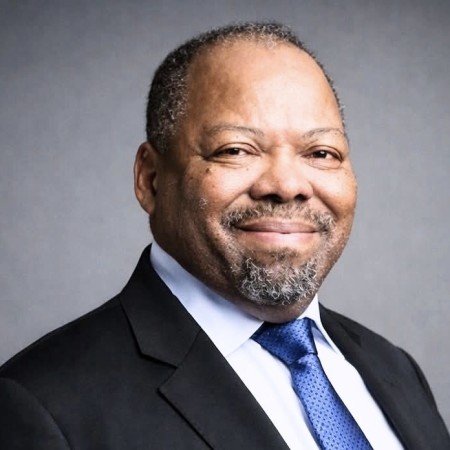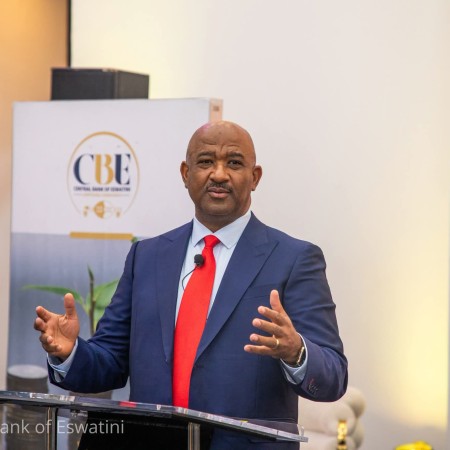






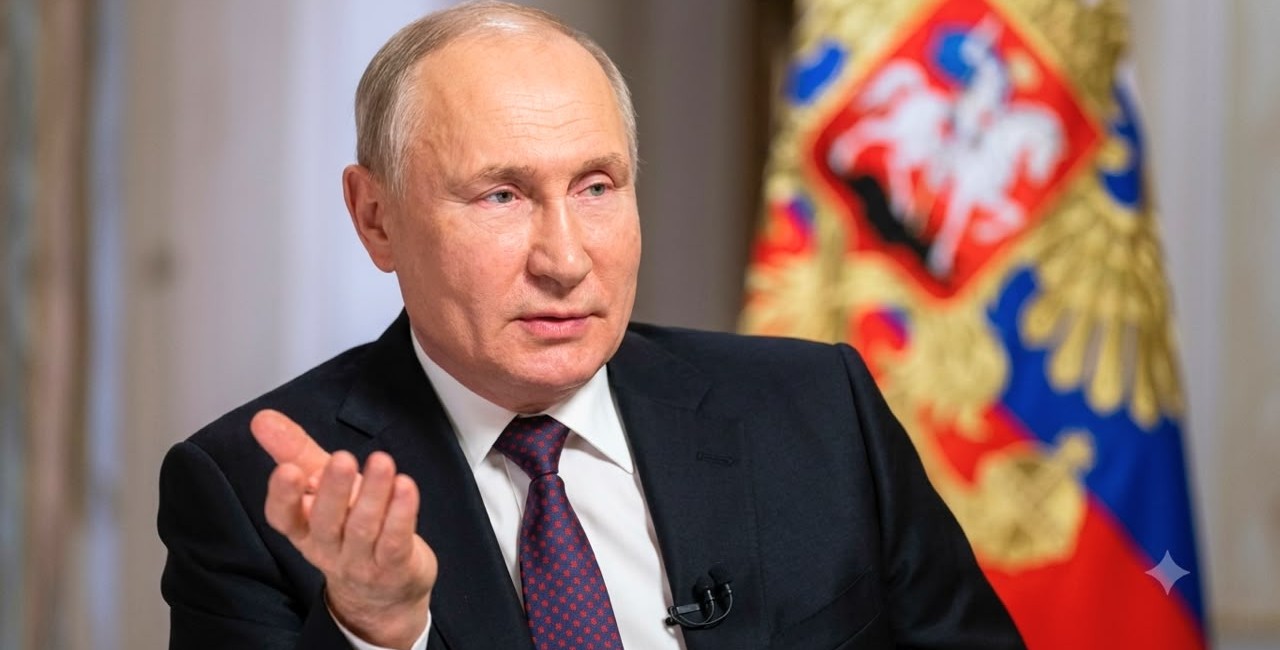
Russia is strengthening its diplomatic footprint across Africa through the opening of new missions in The Gambia, Liberia, Togo, and the Union of the Comoros. This expansion is part of Moscow’s broader strategy to establish embassies in nearly every African country, leaving only a few locations without Russian representation.
Strategic Context
Western sanctions imposed by the United States and the European Union following Russia’s invasion of Ukraine have accelerated Moscow’s efforts to diversify its partnerships. Africa, along with Asia and the Middle East, has become central to Russia’s foreign policy as it seeks new allies, economic opportunities, and political support.
Historical Context
Russia’s interest in Africa is not new. During the Soviet era, Moscow supported liberation movements and built ties with newly independent states. Today, Russia is reviving that legacy, positioning itself as a partner that offers alternatives to Western influence.
Why Africa Matters to Moscow
• Energy and resources: Africa’s reserves of oil, gas, and minerals align with Russia’s energy-driven foreign policy.
• Security cooperation: Military agreements with several African states provide training, arms, and security support.
• Political influence: African nations represent a significant voting bloc in the United Nations, where Russia seeks to counter Western isolation efforts.
Case Studies
Russia has expanded grain shipments to Egypt and Ethiopia, helping to stabilize food supplies amid global shortages. In Mali and the Central African Republic, Russian military cooperation has strengthened local regimes while raising questions about long-term dependency. Mining ventures in Zimbabwe and Sudan illustrate Moscow’s interest in Africa’s natural wealth.
African Perspectives
For some African leaders, Russia’s presence offers a welcome diversification of partnerships. It provides leverage in negotiations with Western powers and access to new markets. Yet for others, concerns remain about debt risks, resource competition, and the sustainability of Russian commitments.
Meaning for Economic Growth
Russia’s expansion in Africa is not only a diplomatic maneuver but also an economic strategy with direct implications for growth and financial stability. The establishment of embassies facilitates trade agreements, investment flows, and infrastructure projects. For African economies, this can mean new opportunities in energy, agriculture, and mining. For Russia, it represents access to untapped markets and resources that can offset losses caused by Western sanctions.
Opportunities
• Diversified trade: African nations gain new export markets and import options, reducing reliance on traditional Western partners.
• Infrastructure investment: Russian partnerships may bring funding for roads, ports, and energy projects.
• Food security: Increased grain exports from Russia can help stabilize food supplies in African countries.
• Political balance: African states gain leverage by engaging both Western and non-Western powers.
Challenges
• Debt risks: Large-scale projects may increase financial dependency and debt burdens.
• Geopolitical tension: Aligning with Russia could strain relations with Western partners who remain key investors and donors.
• Resource competition: Increased Russian involvement may intensify competition for Africa’s natural resources, potentially limiting local benefits.
• Uncertain sustainability: Russia’s own economic challenges may affect the longevity and reliability of its commitments.
Global Reactions
The United States and European Union view Russia’s expansion as a challenge to their influence in Africa. China, already deeply invested through its Belt and Road Initiative, sees Russia as both a competitor and a potential partner in reshaping Africa’s economic landscape.
Cultural Diplomacy
Beyond trade and security, Russia is also investing in cultural ties. Scholarships for African students, media partnerships, and cultural exchanges are part of Moscow’s soft power strategy to build long-term goodwill.
Long-Term Outlook
The sustainability of Russia’s African strategy depends on its ability to deliver consistent economic benefits while managing its own domestic challenges. For African nations, the key will balance opportunities with caution, ensuring that partnerships strengthen resilience rather than create new vulnerabilities.
Conclusion
Russia’s diplomatic expansion in Africa is more than symbolic. It is a calculated move to secure economic partnerships and political influence in a rapidly changing global order. For African nations, the opportunities are significant, but so are the challenges. The balance between growth and dependency will determine whether these new ties strengthen financial resilience or create new vulnerabilities.