




By: Nkosiyabusa Nsibande
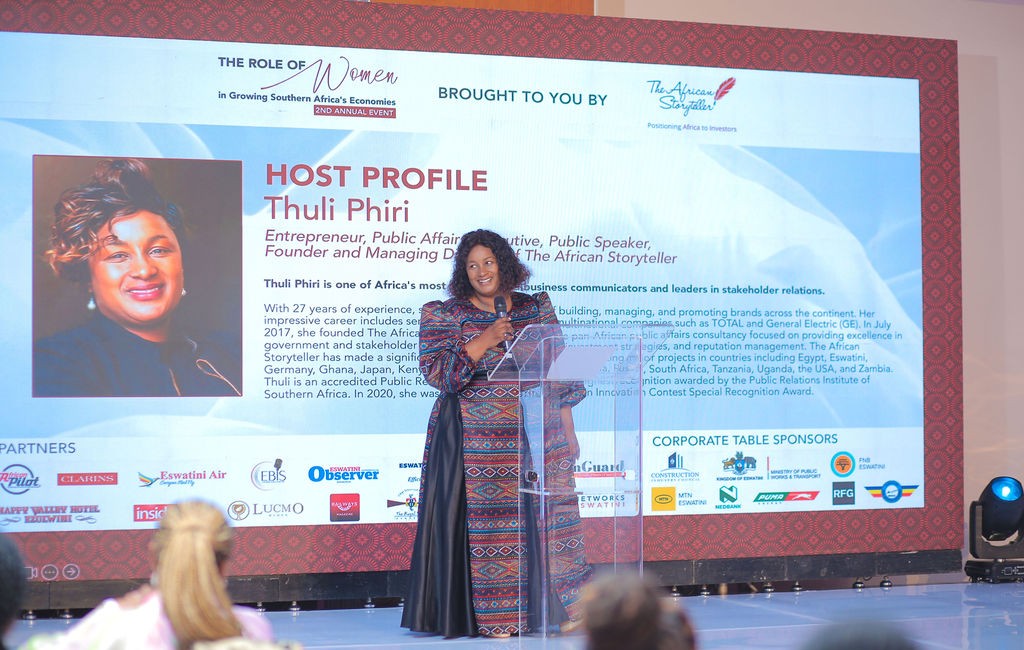
The conversation around women’s economic empowerment in Southern Africa is increasingly moving beyond representation and towards a more fundamental question is, how can women be placed in positions where they can meaningfully influence economic decisions, build businesses, access opportunities, and contribute to their countries’ development? It is against this backdrop that The African Storyteller, founded by businesswoman and entrepreneur Thuli Phiri, continues to build a platform dedicated to advancing women’s roles in the region’s economies.
The organization recently hosted the second annual edition of The Role of Women in Growing Southern Africa’s Economies. This initiative brings together conversations on women, business, leadership, and economic development. While the event itself provides a platform for dialogue, its broader significance lies in the attempt to turn conversations about women’s empowerment into practical pathways for participation in economic activity.
For Phiri, the initiative is deeply personal. Having worked across African markets and internationally in countries including Japan, Germany, and the United States, she says her exposure to diverse markets and people has made her increasingly conscious of the need to use her networks for purposes beyond commercial interests.
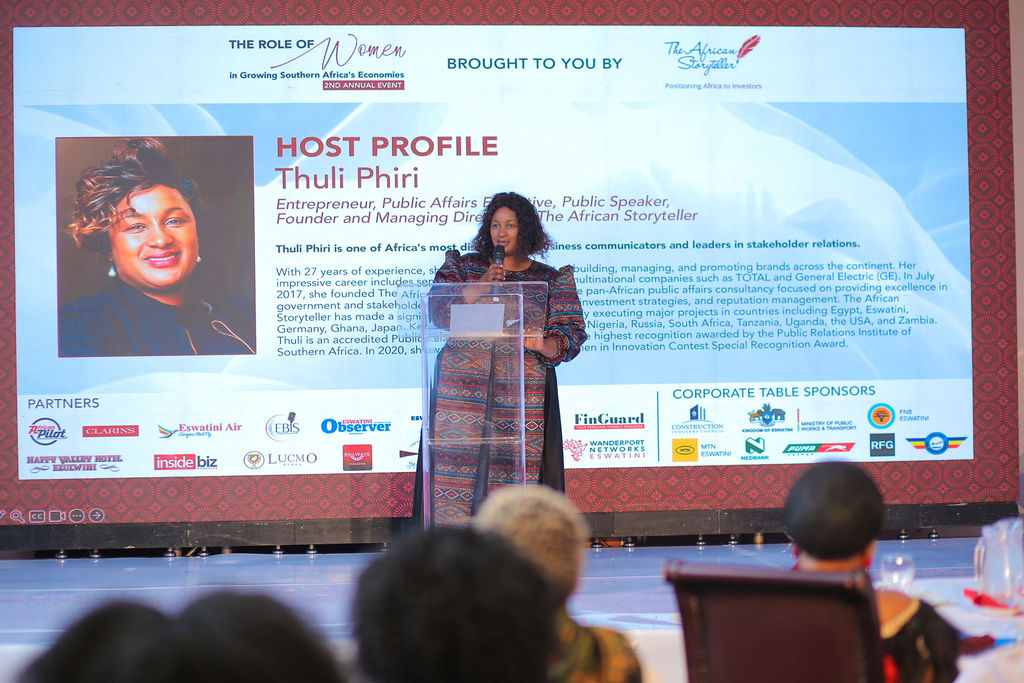
“We’ve worked across Africa; we’ve worked beyond Africa in markets like Japan, Germany, the USA, and so many other markets,” Phiri said. She explained that the decision to establish the initiative came from a desire to give back to the community and create opportunities for people who could benefit from the networks and experience she had accumulated through her career.
“When the idea of starting this CSI project, because this is not for profit-making, I sat, and I thought, I’m always invited to speak in public platforms. And there comes a time when you basically say, ‘How do I give back to my own, to my own people?’” she said.
That motivation is important because women’s economic empowerment is often discussed through the lens of statistics, policies, and institutional commitments. While these remain necessary, initiatives such as The African Storyteller introduce another dimension: the responsibility of individuals who have gained access, influence, and networks to create opportunities for others deliberately.
Phiri believes her contribution is particularly significant because of her position as a woman in business and the networks she has developed across different markets. “With the wide network of people that I’ve actually built across the world, in Africa and in the region, I just realized that really, the only contribution that I can make as a woman that is also in business is to ensure that the…” she said.
Her unfinished statement nevertheless captures the central philosophy behind the initiative, that economic progress requires deliberate efforts to ensure that women are not merely included in economic systems, but are given the space and resources to shape them.
For Southern Africa, this question carries considerable economic weight. Women form a significant part of the region’s entrepreneurial and productive base. Yet many continue to face barriers to accessing finance, markets, business networks, technology, skills, and decision-making spaces. Addressing these constraints is therefore not only a matter of equality; it is directly connected to the region’s ability to expand its productive capacity.
The distinction between women participating in economic activity and women prospering within it is particularly important. Phiri’s comments reflect this broader ambition. The objective is not simply to increase the number of women who enter business or hold leadership positions, but to create conditions in which women can build sustainable enterprises, influence policy, and contribute to economic transformation.

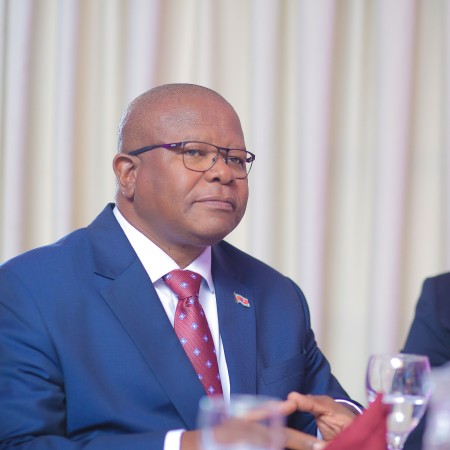
The event also demonstrated the importance of bringing together women and decision-makers from different spheres. Phiri used the occasion to recognize the contribution of the Minister for Public Works and Transport, Chief Ndlaluhlaza Ndwandwe, whom was represented by the Minister for Tourism and Environmental Affairs Jane Mkhonta-Simelane. She described him as a strong supporter of women’s advancement and nation-building.
According to Phiri, the Minister’s support for women goes beyond encouraging participation, extending to creating opportunities for women to have a voice in decision-making. “His heart is basically in seeing women thrive, and not just thrive, but actually prosper,” she said. She further praised him as “one minister who is always championing the call of getting more and more and more women in positions that allow them to add their voice in decision-making.”
Such recognition speaks to another critical component of women’s economic advancement, the role of institutions and policymakers in creating an environment in which women can participate meaningfully in the economy. Business leadership, government policy, and private-sector investment cannot operate in isolation if Southern Africa is to achieve more inclusive economic growth. Women-owned businesses need access to finance and markets, while women professionals need opportunities to occupy senior positions where economic and policy decisions are made.
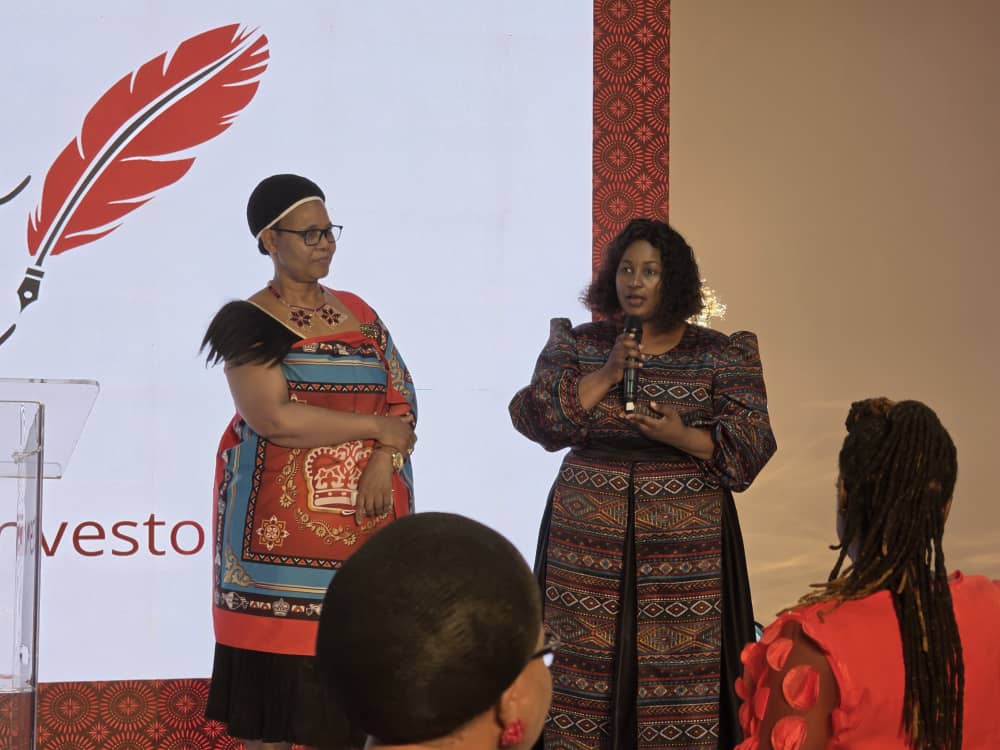
The African Storyteller therefore represents more than an annual gathering. Its long-term value will ultimately be measured by whether the conversations it generates translate into relationships, opportunities, partnerships, and greater economic participation for women.
The second annual event reinforces the importance of maintaining such platforms over time. Economic transformation is rarely achieved through a single conference or campaign. It requires sustained engagement, investment, and the willingness of people with influence to open doors for others.
For Phiri, that responsibility is clear. Her international experience has given her access to networks that can potentially connect Southern African women to ideas, markets, expertise, and opportunities beyond their immediate environments. By directing some of that access towards a non-profit initiative, she is making a case for a different model of corporate and individual social responsibility, one centered on building economic capacity.
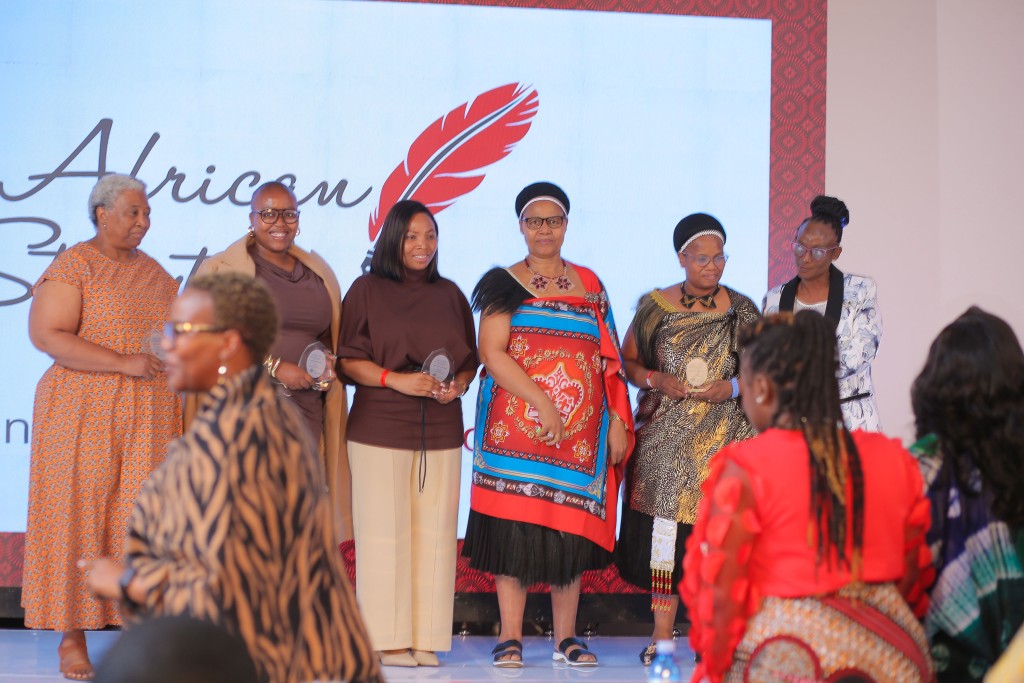
The broader message is particularly relevant to Southern Africa as governments and businesses search for ways to stimulate growth, create employment, and expand entrepreneurship. If women are to play a greater role in achieving these objectives, they must be treated as economic actors and decision-makers rather than beneficiaries of development programs.
The African Storyteller’s continuing work places that principle at the center of the conversation. As Phiri put it, the ambition is for women not merely to thrive, but to prosper. That distinction is central to the economic case for women’s empowerment: a region cannot fully unlock its productive potential while a substantial portion of its population remains constrained from accessing the capital, networks, leadership opportunities, and markets required to build lasting economic value.
The enduring significance of The Role of Women in Growing Southern Africa’s Economies therefore lies not only in what is discussed at the annual event but also in the economic possibilities that can emerge when those discussions are converted into action. For The African Storyteller, the challenge now is to keep that conversation moving, from the conference room into boardrooms, businesses, government institutions, and communities across Southern Africa.

Other Articles