





By: FinGuard Editorial Team
Summary
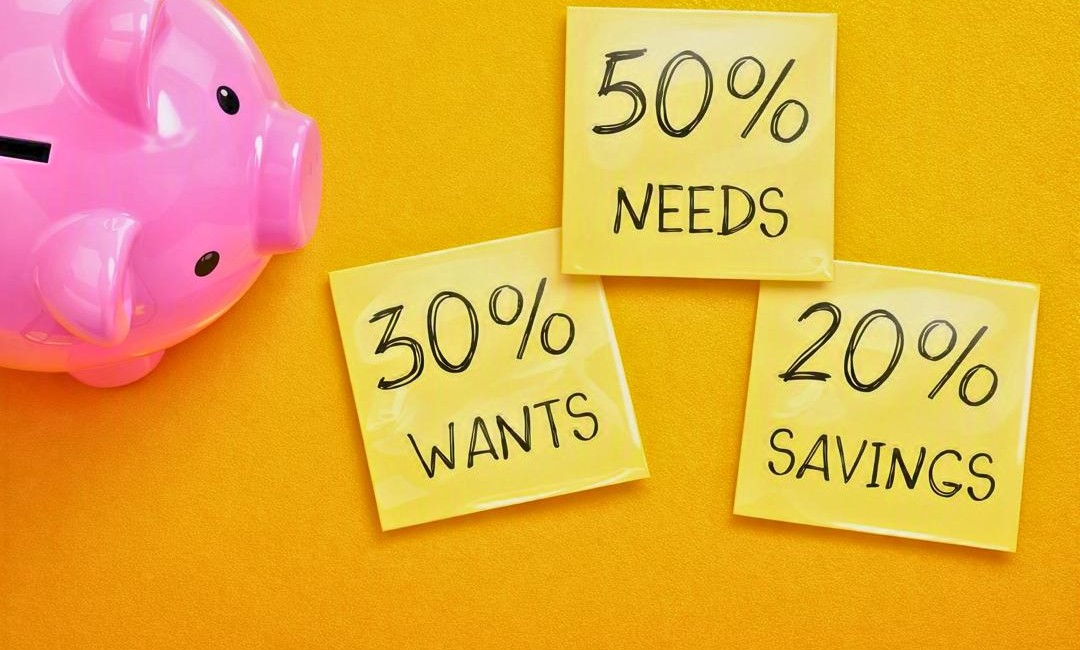
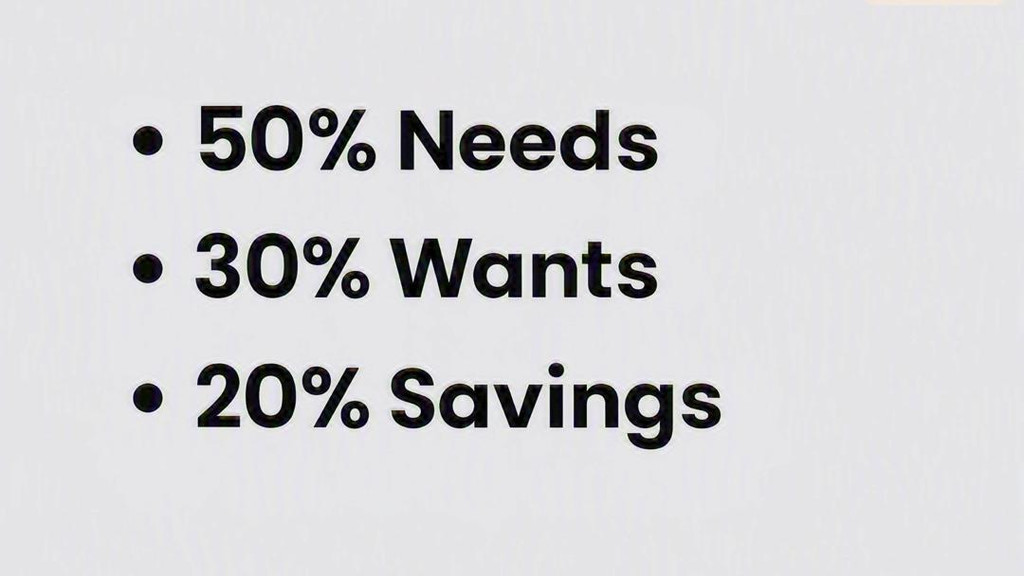
For years, personal finance advice has relied on simple budgeting formulas designed to help households manage income, control spending, and build financial security. One of the most recognized approaches globally has been the 50/30/20 rule, which recommends allocating approximately 50 percent of after-tax income towards needs, 30 percent towards wants, and 20 percent towards savings and debt repayment.
However, household finances do not operate in identical environments. A budgeting formula developed as a general guideline must be tested against the realities of each economy, including income levels, household size, employment patterns, inflation trends, and access to credit.
In Eswatini, household financial decisions are shaped by changing economic conditions and the cost of essential goods and services. The Eswatini Household Income and Expenditure Survey (EHIES) provides important information on how households earn income, what they spend money on, and the conditions under which they live. The survey also supports the revision of the Consumer Price Index weights and contributes to national economic statistics.
This feature examines why traditional budgeting formulas may not always reflect household realities, how families can adapt their financial plans, and why the most effective budget is based on evidence rather than rigid percentages.
Section 1: Anatomy of the Classic 50/30/20 Rule
Personal finance often involves managing competing priorities: meeting today’s needs while preparing for tomorrow’s uncertainties.
The 50/30/20 rule became popular because it simplified this challenge. Associated with Elizabeth Warren and Amelia Warren Tyagi’s book All Your Worth: The Ultimate Lifetime Money Plan, the framework is a budgeting guideline rather than an economic law.
The model recommends dividing after-tax income into three broad categories:
The 50 Percent Bucket (Necessities)
This covers essential expenses required for daily living, including:
• Housing
• Food and groceries
• Utilities
• Transport
• Healthcare
• Insurance
• Education-related expenses
The 30 Percent Bucket (Wants)
This represents discretionary spending that improves lifestyle and personal well-being, including:
• Entertainment
• Dining out
• Travel
• Subscriptions
• Non-essential purchases
The 20 Percent Bucket (Savings and Debt Reduction)
This focuses on strengthening future financial security through:
• Emergency savings
• Retirement preparation
• Investments
• Reducing expensive debt

The strength of the 50/30/20 framework is its simplicity. It encourages households to allocate money intentionally instead of spending without a plan.
However, the challenge is that household financial realities differ. A family with high transport costs, multiple dependents, unstable income, or significant debt obligations may require a different allocation.
A budget should, therefore, be treated as a management tool, not a measure of financial discipline.
Section 2: The Household Cost Squeeze: Why Budgeting Rules Must Adapt
A household budget is ultimately determined by two factors: income available and the cost of maintaining a household.
When essential expenses increase faster than household income, traditional budgeting ratios can become difficult to achieve.
In Eswatini, understanding household spending requires examining actual household behavior rather than relying only on international financial advice.
The EHIES provides a detailed picture of household economic activity, including income sources, expenditure patterns, and demographic characteristics that influence financial decisions.
For households, the pressure often comes from unavoidable expenses such as food, transport, utilities, and housing. The challenge is not always poor financial management; sometimes it results from limited income growth combined with rising living costs.
The Central Bank of Eswatini’s economic reports continue to monitor inflation conditions, monetary policy developments, and household financial trends as part of maintaining price and financial stability.
Economic Analysis: Budgeting Beyond Fixed Percentages
A rigid budgeting formula may not work equally for every household.

When essential costs consume a larger share of income, households should first focus on understanding their cash flow:
• Which expenses are unavoidable?
• Which costs can be reduced?
• Which debts are creating financial pressure?
• How can income capacity be improved?
The goal of budgeting is not simply achieving a percentage target. The goal is ensuring that income is allocated in a way that protects household stability.
Protecting Wealth During Financial Pressure
During periods of financial pressure, households often need to balance immediate survival needs with long-term financial goals.
A practical approach is to maintain
• Emergency savings where possible.
• Affordable debt repayments.
• Controlled discretionary spending.
• Long-term plans for increasing income.
Financial stability is built by protecting today’s needs while creating opportunities for tomorrow.
Section 3: Introducing an Adaptive 60/30/10 Budget Framework
Recognising that household circumstances differ, this article proposes an adaptive budgeting approach for households facing increased essential costs.
The 60/30/10 model should not be viewed as a replacement for the 50/30/20 rule or as an official financial standard.
Instead, it is a temporary adjustment framework that allows households experiencing higher essential expenses to maintain some level of savings while protecting daily financial stability.
Comparative Budget Framework
Category!
Traditional 50/30/20 Rule
Adaptive 60/30/10 Framework
Necessities
50%
60%
Wants
30%
30%
Savings/Debt Reduction
20%
10%
Under this approach:
Necessities increase to reflect higher household costs.
Lifestyle spending remains controlled to prevent unnecessary financial pressure.
Savings continue, although at a reduced level, to maintain financial discipline.
However, households should recognize that this is not a permanent solution.
The correct allocation depends on:
• Household income stability.
• Number of dependents.
• Existing debt.
• Housing costs.
• Emergency savings.
• Financial goals.
Some households may require different approaches, such as 70/20/10 during periods of severe financial pressure or 50/20/30 when income improves.
The Long-Term Savings Trade-Off
Reducing savings contributions from 20 percent to 10 percent reduces the amount invested each month.
However, the long-term impact depends on several factors:
• Investment returns.
• Inflation.
• Fees.
• Length of saving period.
• Future increases in income and contributions.

A temporary reduction in savings may help a household survive a difficult period, but remaining at a lower savings rate for many years can reduce future financial security.
The objective should, therefore, be returning to stronger savings capacity when financial conditions improve.
Managing Debt in a Higher-Cost Environment
Credit plays an important role in household financial management.
Central Bank of Eswatini data shows that household borrowing remains a significant part of the financial system. Household and nonprofit institution credit reached E9.1 billion in November 2025, with housing loans accounting for E4.2 billion.
Earlier Central Bank reporting showed household credit at E8.7 billion in November 2024, reflecting continued household demand for financing.
However, borrowing requires careful management.
Debt can support wealth creation when used for productive purposes such as housing, education, or business development.
But relying on credit to finance everyday consumption can weaken household resilience.
Economic Analysis: Managing Debt Wisely
Households should:
• Maintain emergency savings where possible.
• Compare interest costs across different debts.
• Prioritize expensive consumer debt.
• Avoid taking new loans without understanding repayment obligations.
Reducing high-cost debt can improve household cash flow because every interest payment avoided increases financial flexibility.
Section 4: Actionable Strategies to Reclaim Your Budget
Regardless of the budgeting method used, financial control requires active management.

1. Conduct a Household Spending Audit
Review income and expenses over several months.
Identify:
• Unused subscriptions.
• Unnecessary recurring payments.
• Expensive spending habits.
• Areas where cheaper alternatives exist.
Small adjustments can create meaningful financial space.
2. Treat Savings as a Financial Commitment
Saving should not only happen when money remains at the end of the month.
Households should consider setting aside a realistic amount immediately after receiving income.
The amount matters less than consistency.
Building a savings habit creates protection against unexpected expenses.
3. Manage Debt Strategically
Before taking credit, households should ask the following:
• What purpose does this loan serve?
• Can repayments comfortably fit within income?
• Is the borrowing improving future financial position?
Credit should be managed as a financial tool, not a replacement for income.
4. Focus on Income Expansion:
Reducing expenses can only go so far.
Households can improve financial resilience by increasing earning capacity through the following:
• Skills development.
• Entrepreneurship.
• Additional income streams.
• Professional growth.
• Investment opportunities.
Income growth creates greater flexibility than cost-cutting alone.
The Right Budget Is the One That Reflects Reality
Personal finance is not about following a perfect formula.
A successful budget is one that reflects actual household circumstances and creates a realistic path toward financial security.
The 50/30/20 rule remains a useful starting point, but household budgets must consider local economic conditions, income realities, and spending patterns.
For Eswatini households, the most important question is not whether their finances fit perfectly into a global formula.
The question is whether their money is being managed intentionally.
A budget is not a punishment system. It is a financial dashboard that helps households understand where money goes, make better decisions, and build stronger financial futures.
The best budget is not the one that looks perfect on paper.
It is the one that works in real life.
For Eswatini households, the most important question is not whether their finances fit perfectly into a global formula.
The question is whether their money is being managed intentionally.
A budget is not a punishment system. It is a financial dashboard that helps households understand where money goes, make better decisions, and build stronger financial futures.
The best budget is not the one that looks perfect on paper.
It is the one that works in real life.