







By: Nkosiyabusa Nsibande
Eswatini is seeking to change the economics of small-business development by moving the focus from simply providing financing to ensuring that capital produces measurable commercial outcomes.
Minister of Commerce, Industry, and Trade Minister Manqoba Khumalo said the country’s MSME sector requires an integrated system connecting finance, skills, production capacity, technology, standards, and markets, arguing that isolated interventions are unlikely to produce sustainable businesses or meaningful employment.
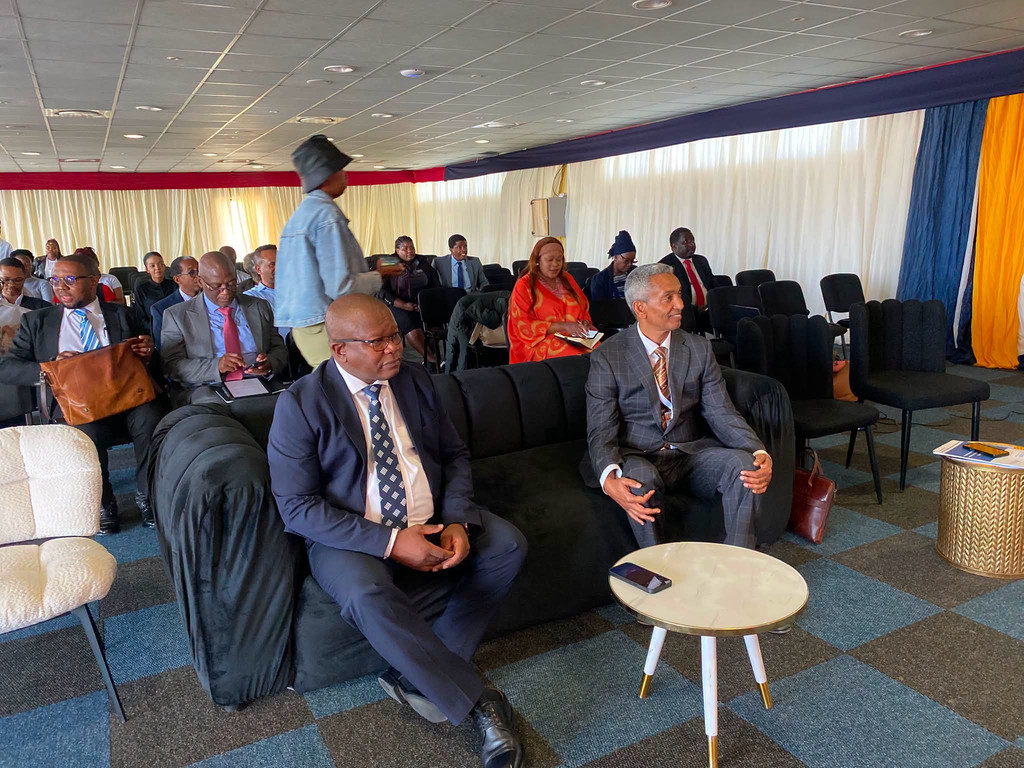
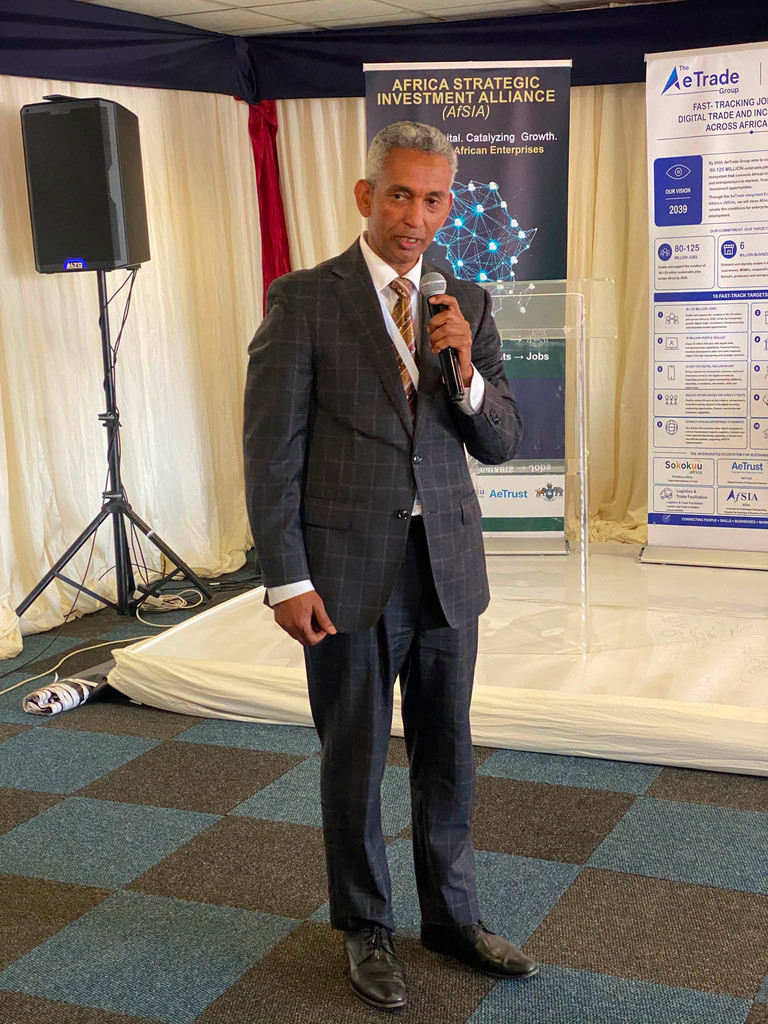
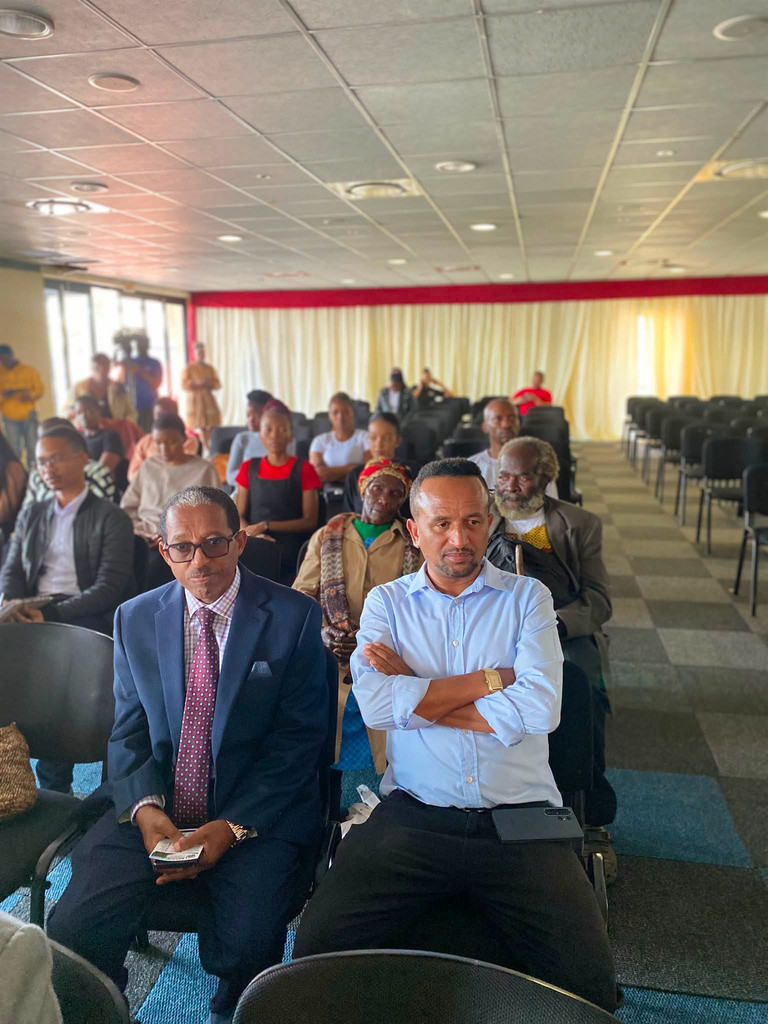
Khumalo was speaking at the AeTrade Group Integrated Ecosystem Dialogue at the Mavuso Trade and Exhibition Centre on Tuesday, 1 September 2026, under the theme “Unlocking Opportunity: Connecting Youth, Enterprise, Finance, and Markets for Jobs and Growth.” His remarks placed access to finance at the center of a wider capital-allocation problem: how to ensure that money flowing into small businesses is converted into productive assets, higher output, stronger revenues, and ultimately jobs.
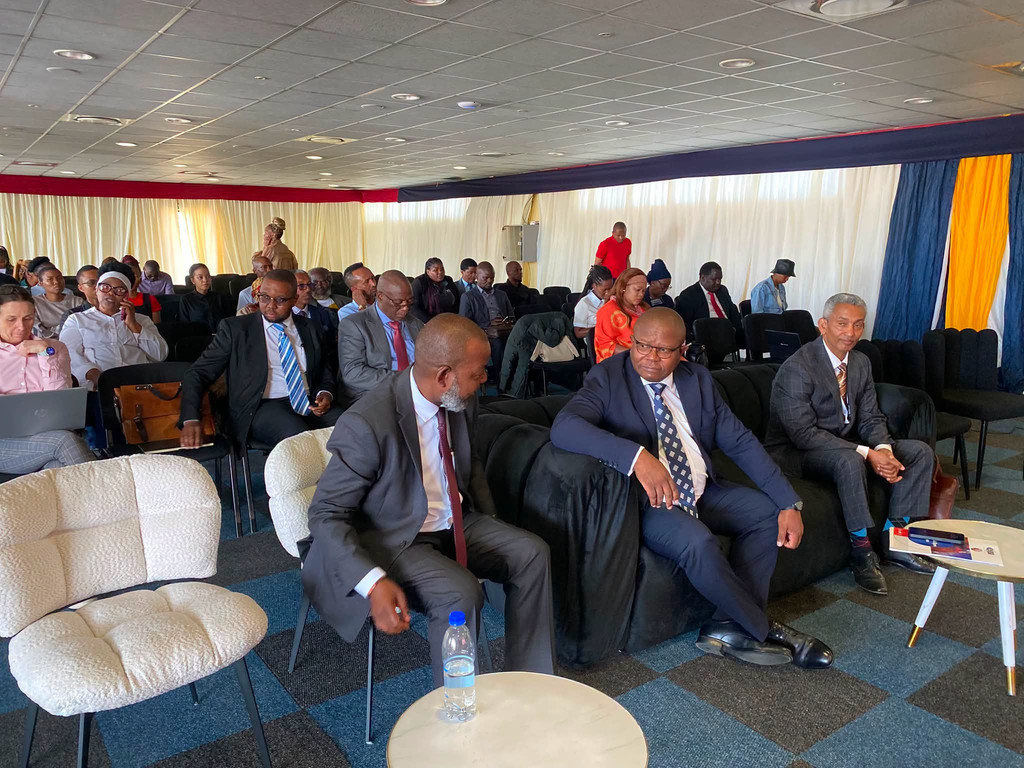
“As reflected in the Ministry’s current approach, we need to build a modern MSME ecosystem in which businesses can access the right combination of skills, finance, infrastructure, technology, standards, markets, and business support,” Khumalo said.
The distinction is important for Eswatini’s financial sector. Increasing the volume of credit available to MSMEs does not necessarily mean that the economy is receiving a better return on capital. Businesses can borrow money and still fail if they lack sufficient demand, production capability, financial controls, or access to customers. The government’s emerging position is therefore that MSME financing must be assessed alongside the enterprise’s ability to generate revenues and repay capital.
Khumalo was explicit on this point, saying, “The challenge is, therefore, not simply to make more money available. We need financing that is appropriate to the realities of our enterprises, combined with financial literacy, proper business records, stronger credit assessment, and credible market opportunities.”
This effectively places bankability alongside access to funding as one of the major issues confronting Eswatini’s MSME sector. An enterprise seeking debt financing needs more than an attractive business concept. Financial records, cash-flow visibility, creditworthiness, production capacity, and evidence of market demand increasingly determine whether capital can be deployed on commercially sustainable terms.
For financial institutions, the challenge is to develop products that recognize the realities of smaller businesses without weakening credit discipline. For entrepreneurs, it means building enterprises capable of demonstrating where borrowed or invested capital will go, how it will generate revenue, and how the resulting cash flow will support repayment and further expansion.
The minister’s argument was summed up through three links in the financing chain: “Training without access to finance is insufficient. Finance without access to markets is insufficient. Market access without the ability to meet quality standards is insufficient.”
The implication is that capital should not be viewed as the final intervention in enterprise development. Finance is productive only when it can be converted into commercially viable output. A loan to purchase machinery, for example, creates economic value only if the business has the skills, inputs, electricity, standards certification, and customers required to use that machinery profitably.
This is particularly relevant to Eswatini’s industrialization agenda, where the government wants to increase domestic production and value addition rather than continue importing finished products. Khumalo argued that the country cannot secure sustainable economic growth while remaining primarily a consumer of goods manufactured outside its borders.
“Our economic transformation must also be driven by production and value addition. Eswatini cannot achieve sustainable economic growth by remaining primarily a consumer of products manufactured elsewhere,” he said.
The financial case for greater value addition is straightforward: businesses that move beyond trading into processing and manufacturing have the potential to capture more value across the supply chain. Agriculture can feed agro-processing; local manufacturing can supply domestic retailers and exporters; textiles can feed regional markets, while tourism and digital services can generate foreign-exchange earnings without relying exclusively on physical exports.
However, production capacity alone does not guarantee commercial success. The minister warned that market access must be treated as a financial consideration because businesses ultimately need customers to convert production into revenue.
“Having access to a market does not automatically mean having access to a customer,” Khumalo said.
That distinction becomes increasingly important as Eswatini businesses look towards regional and continental markets, including opportunities under the African Continental Free Trade Area. Access to a larger market expands the potential customer base, but companies still need competitive pricing, consistent quality, adequate volumes, professional packaging, and reliable delivery before buyers commit.
For lenders and investors, those capabilities can also influence the risk profile of an enterprise. A business with signed purchase agreements, established distribution channels, and the capacity to fulfill orders presents a different financing proposition from one dependent entirely on speculative future demand.
Khumalo, therefore, welcomed digital platforms such as the AeTrade ecosystem as potential mechanisms for reducing the distance between Eswatini enterprises and external buyers, suppliers, and investors. The objective, he said, should be to complement existing national institutions rather than duplicate their functions.
Investment, meanwhile, must be judged by what it produces in the real economy rather than by headline capital inflows alone. The government wants domestic and foreign investment to expand productive capacity, create jobs, transfer skills, and strengthen local supply chains.
“We want investment that expands production, creates jobs, transfers skills, strengthens local supply chains, and opens new markets for Eswatini businesses,” Khumalo said.
That approach effectively places economic multipliers at the center of investment policy. The value of an investment is not only the initial amount committed but also the economic activity generated from that capital, including procurement from local suppliers, wages paid, production increases, tax revenues, exports, and new businesses created around the investment.
The youth employment challenge adds another dimension to the equation. Khumalo argued that young people should not only be positioned as job seekers but also as entrepreneurs capable of becoming employers. However, moving from an idea to a functioning business requires a chain of financial and non-financial support.
“A young person with an idea needs a pathway to skills. Skills must lead to enterprise. An enterprise must have access to finance. Finance must lead to production. Production must lead to markets, and successful businesses must ultimately create jobs and opportunities for others,” he said.
This pathway effectively describes a capital-to-employment pipeline. If any link fails, the economic return on the preceding intervention can be weakened. Training without enterprise creation produces skills without sufficient commercial absorption. Finance without production capacity can result in underutilized capital. Production without customers creates inventory rather than sustainable cash flow.
The government, therefore, wants the success of enterprise programs to be measured through hard outcomes rather than activity levels. Khumalo challenged stakeholders to move beyond counting meetings, programs, and commitments and instead track how much capital is mobilized, how many businesses are formalized, how many enterprises reach new buyers, and how many jobs are ultimately created.
“The success of initiatives such as this one should not be measured by the number of meetings held or commitments made. It must be measured by what changes on the ground,” he said.
The proposed measures, businesses onboarded, enterprises formalized, finance mobilized, new buyers secured, standards achieved, and jobs created, provide a more commercially relevant framework for evaluating government and private-sector interventions.
For Eswatini’s financial sector, the emerging message is that MSME development cannot be separated from capital efficiency. The country does not simply need more entrepreneurs or more financing programs; it needs enterprises capable of absorbing capital, deploying it productively, and generating sufficient revenues to sustain expansion.
The AeTrade dialogue, therefore, placed a sharper question before government, banks, investors, and entrepreneurs: How much economic value is being generated from every pula of capital and every intervention directed towards enterprise development?
Khumalo’s answer was to build an ecosystem in which finance does not operate in isolation. Capital must feed production, production must meet standards, standards must open markets, and markets must generate revenues capable of supporting further investment and employment.
This is ultimately the measure that matters. The success of Eswatini’s MSME financing drive will not be determined by the amount of money announced or the number of enterprises registered, but by whether capital is converted into productive businesses, stronger revenues, higher investment, expanded markets, and sustainable jobs.