



By Welile Dludlu – Financial planner
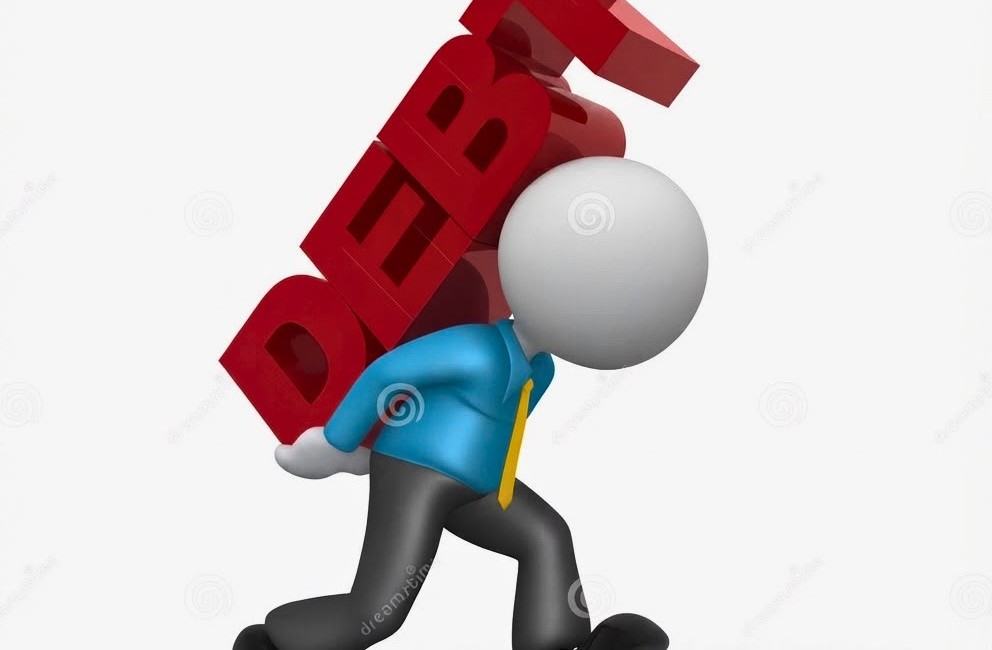
Debts do not just appear overnight, and neither does a personal debt crisis. Your debt probably started fairly manageable. After all, most people borrow money with the full intention of repaying their debts. As debts pile up, however, this creates a big problem, a debt cycle in which new debt is used to keep up with mortgage payments, car loans, student debt, and ultimately living expenses. This is a vicious cycle that traps many in ongoing debt payments they soon realize will never reduce their original balances. Many accelerate the cycle by turning to high‑cost alternative lending options, such as high‑interest installment loans. And this does not address the financial impact of a job loss, an unexpected repair bill, or any other catastrophic event that will increase the pressure to use credit to balance your budget.
We cannot, however, say that debt is all bad. Debt is one of the most powerful financial tools ever created. It has helped individuals purchase homes, businesses expand operations, governments build infrastructure, and entire economies accelerate growth. Yet debt is also one of the leading causes of financial stress and wealth destruction. Understanding how debt works is not merely a financial skill, it is a life skill.
Indeed, debt often becomes a determinant in shaping financial outcomes. Two people can earn the same income and have dramatically different financial futures based entirely on how they manage debt. One person may use debt to acquire appreciating assets, and another may use debt to finance consumption and become trapped in a cycle of repayments that limits future opportunities.
It then becomes important for one to understand the nature of debt, how it has evolved throughout history, how to eliminate bad debt, and the steps required to use debt as a tool for wealth creation. Debt is part of our financial plan, and we should find a way to fit it positively.
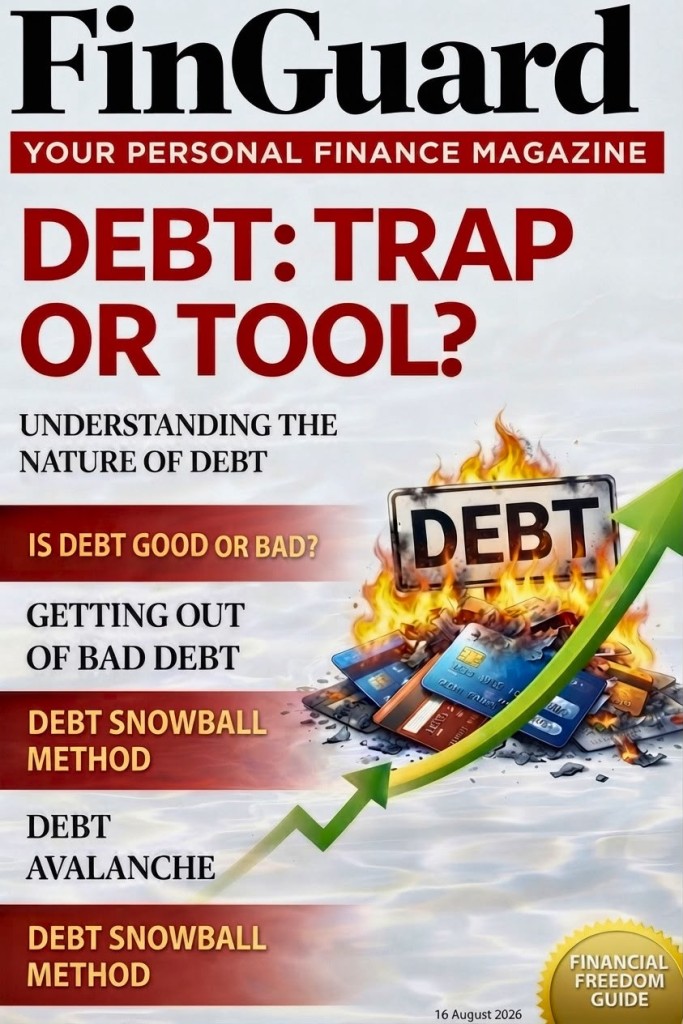
Understanding the Nature of Debt
Debt is an agreement between two parties. One party provides money today, while the other agrees to repay it in the future, usually with interest. This arrangement creates opportunities for both parties. Borrowers gain immediate access to capital while lenders earn a return on their funds. Debt exists because time has value. Most people would prefer to access resources today rather than wait years to save enough money. A family purchasing a home may not want to spend twenty years saving before becoming homeowners, so debt bridges that gap. However, debt entails obligations, every cent borrowed creates a future responsibility. The borrower must honor the repayment terms regardless of changing economic conditions. This obligation makes debt both useful and potentially dangerous.
While debt enables households to purchase homes, education, vehicles, and more, it can become problematic when borrowing exceeds repayment capacity. Excessive debt increases financial risk and limits future opportunities. Understanding this balance is essential for effective debt management.
Is Debt Good or Bad?
Debt itself is neutral. What matters is how it is used and whether it contributes to long‑term financial objectives. Financing education that increases earning potential, or a business loan to expand operations and increase profits, is good debt, as it may produce returns that exceed borrowing costs. Destructive debt finances consumption without generating future economic benefits.
Consider two individuals who each borrow E100,000. The first uses the funds to start a business that generates recurring income. The second uses the funds for luxury consumption. Five years later, the first individual may own an appreciating asset, while the second is left with debt obligations and little to show for them. The difference is not the debt itself. The difference is what the debt was used to acquire.
Getting Out of Bad Debt
When people say they want to get out of debt, they are usually asking two questions at the same time. The first is mathematical, what repayment order will cost me the least and get me debt‑free fastest? The second is behavioral, what plan can I actually stick with long enough to succeed? That distinction matters because debt repayment is not only a spreadsheet problem, it is also a human problem.
Two methods dominate most debt payoff conversations, the Debt Snowball and the Debt Avalanche. The Snowball method focuses on paying off the smallest balances first, regardless of interest rate. The Avalanche method focuses on paying off the highest‑interest debts first, regardless of balance size. One prioritizes momentum. The other prioritizes interest savings. You must choose one that fits your numbers.
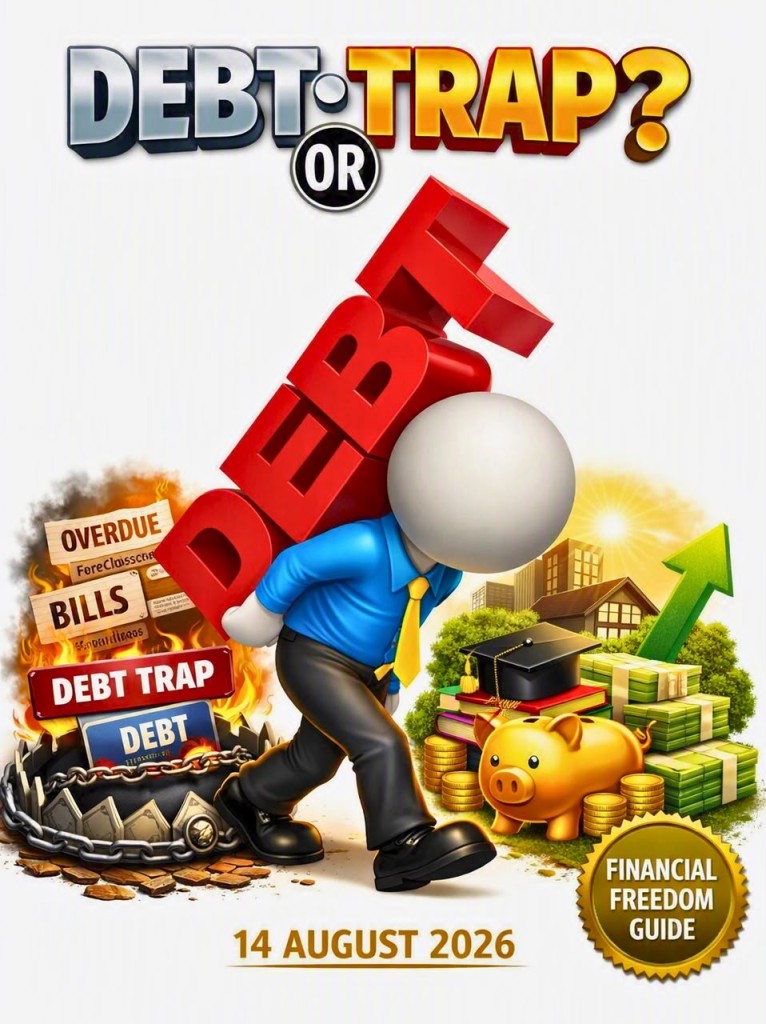
On paper, debt repayment seems simple. “Spend less than you earn, make your minimum payments, send extra money toward one debt, and repeat until the balances disappear.” The arithmetic is not complex. The difficulty comes from everything surrounding it, one reason being that debt competes with today’s needs. A person may understand that sending an extra payment to a credit card is financially wise, but the same money may also be needed for school supplies. Debt also competes with emotions. Shame, anxiety, frustration, and fatigue can make people avoid their accounts altogether. When debt feels too large, the mind often protects itself by looking away.
Therefore, a repayment strategy matters. A strategy gives order to the chaos. It tells you which debt gets your extra money this month. It transforms debt repayment from a vague aspiration into a repeatable system. Without a system, you may make random extra payments, pay a little extra on whichever bill feels most urgent, or whichever lender bothers you the most. That approach can still reduce debt, but it often lacks focus. Focus is powerful because extra payments work best when they are concentrated. Spreading small amounts across many debts may feel balanced, but it can slow visible progress.
A structured method creates a payoff sequence. You continue making minimum payments on every account to stay current, then direct all available extra money toward one target debt. When that debt is eliminated, the money that used to go to it is redirected to the next target. Over time, your repayment power grows because old minimum payments are added to new extra payments. This is the engine behind both the Snowball and the Avalanche.
Debt Snowball Method
The Debt Snowball method ranks debts from smallest balance to largest balance. Interest rates do not determine the order. The smallest debt gets attacked first, while all other debts receive minimum payments. Once the smallest debt is paid off, the payment that was going there is rolled into the next‑smallest balance. The process continues until the final debt is eliminated. After a few debts are eliminated, the amount available for the next debt becomes larger. The plan grows stronger as it progresses.
Debt Avalanche Method
The Debt Avalanche method ranks debts by interest rate, from highest to lowest. The balance size is secondary. The debt with the highest interest rate receives all extra payments first. Every other debt receives the required minimum. Once the highest‑rate debt is eliminated, the extra payment moves to the next‑highest‑rate debt. The Avalanche method is built around efficiency. Its goal is to reduce the total amount of interest paid. Because high‑interest debt costs more each month, it remains unpaid. Targeting it first usually produces the lowest total repayment cost. In numerous instances, it also leads to a faster debt‑free date because less money is forfeited to interest along the way.
(IMAGE CREDIT: Dreamstime.com)
Other Articles