



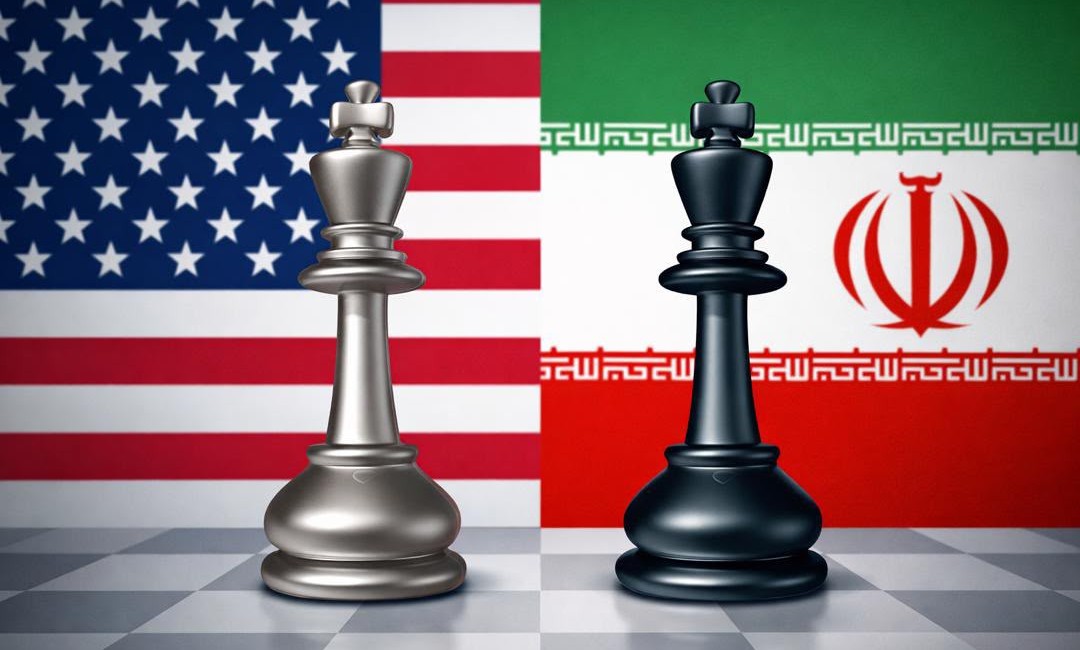
Diplomacy is unfolding in real time. President Trump has announced that the Memorandum of Understanding with Iran will be signed today. Tehran insists no deal will be signed. Meanwhile, Israel has bombed targets in Lebanon, Iran has vowed retaliation, and Trump has warned Iran not to strike back. The world watches as the possibility of peace collides with the reality of conflict.
If signed, the MoU would deliver:
• Nuclear Freeze: Iran halts enrichment beyond civilian levels, monitored by international inspectors.
• Strait of Hormuz Reopening: Safe passage for oil tankers through one of the world’s most critical shipping lanes.
• Sanctions Relief: $25 billion in frozen Iranian assets released, plus phased oil export waivers.
• Security Guarantees: Commitments to reduce military escalation in the Gulf.
• Trade Normalization: Iran re‑enters global markets, restoring supply chains disrupted for years.
• Financial Access: Iranian banks reconnect to international systems, improving liquidity in global finance.
Economic Benefits If Signed
Should both sides commit, the MoU could reshape the global economy:
• Energy Prices: Oil futures would stabilize, easing consumer costs worldwide.
• Trade Stability: Lower shipping costs reduce inflationary pressures across Asia, Africa, and Europe.
• Investment Confidence: Markets respond positively to reduced geopolitical risk, encouraging long‑term strategies.
• Regional Growth: Gulf economies benefit from renewed trade, while African importers gain breathing space from lower fuel costs.
• Currency Strengthening: Reduced oil shocks stabilize currencies in import‑dependent nations.
• Debt Relief Potential: Lower inflation and steadier trade routes ease fiscal pressure on developing economies.
• Household Budgets: Lower transport and food costs directly improve disposable income.
• Corporate Expansion: Multinationals gain confidence to invest in Middle Eastern and African markets.
• Financial Market Liquidity: Reconnected Iranian banks add depth to global capital flows.
• Supply Chain Reliability: Reopened Hormuz reduces delays, stabilizing manufacturing and trade worldwide.
Inflation remains the silent tax eroding household budgets. The MoU offers hope:
• Lower oil prices ease transport and production costs.
• Trade stability prevents supply shocks.
• Market confidence encourages growth without runaway inflation.
Yet, inflation is unlikely to vanish entirely. It may ease temporarily, but global economies remain vulnerable to new conflicts, climate shocks, and policy missteps. The best defense is disciplined saving, diversified investments, and readiness for volatility.
Conclusion
The uncertainty surrounding the US–Iran MoU, Trump insisting it will be signed today, Iran denying it, Israel escalating strikes, and threats of retaliation, underscores how fragile diplomacy remains. Yet, if both sides commit, the benefits are undeniable: lower oil prices, steadier trade routes, stronger currencies, renewed investment confidence, and more predictable household budgets.
The MoU may not end wars forever, and inflation may never fully disappear, but it offers a foundation for stability. For investors and consumers alike, peace translates into economic balance, financial opportunity, and a more sustainable future. In a world unsettled by conflict, the value of peace lies in its ability to restore predictability to markets and security to everyday lives.

Other Articles

Compound Interest – The Most Powerful Force in Investing