






By: Nkosiyabusa Nsibande
Eswatini’s manufacturing sector is set for a significant boost following plans by Eswatini Quantum Works (Pty) Ltd to invest more than E600 million in a new cable manufacturing facility at Nokwane, a project expected to create approximately 200 jobs and strengthen the country’s position as an emerging industrial production hub.
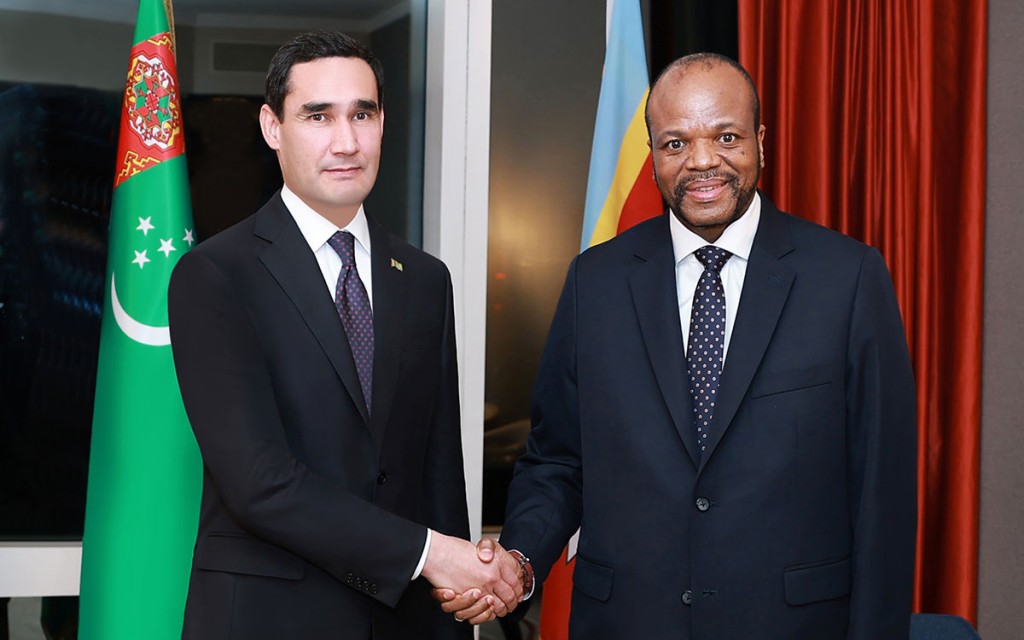
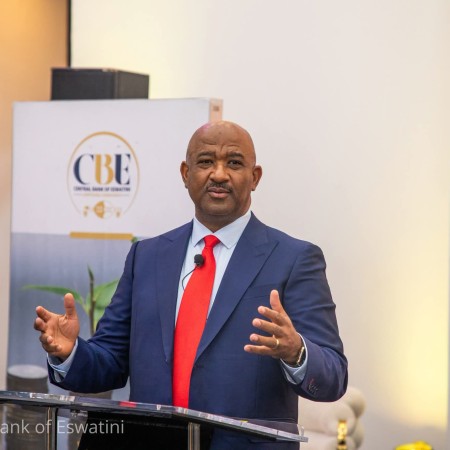
The investment was announced on Tuesday morning at Nokwane by Manqoba Khumalo, who revealed that the company would establish a major export-oriented manufacturing operation in the country. The company, which originates from Turkmenistan, will establish a factory dedicated to the production of aluminum and copper cables for export markets, adding new industrial capacity to Eswatini’s growing manufacturing base.
The investment represents one of the larger recent commitments to the country’s manufacturing sector and comes at a time when the government is intensifying efforts to attract foreign direct investment into export-oriented industries. The project is expected to contribute to industrial diversification while expanding Eswatini’s participation in regional and international value1 chains linked to construction, energy infrastructure, and telecommunications.
Beyond the direct creation of 200 jobs, the factory is likely to generate secondary economic benefits through demand for transport, logistics, maintenance, packaging, and other support services. Economists regard manufacturing investments of this scale as important because they create both employment opportunities and productive export capacity, helping to broaden the country’s economic base.

The decision to manufacture aluminum and copper cables is significant given the growing demand for electrical infrastructure across Africa and globally. Copper remains a critical input in power transmission networks, renewable energy projects, industrial facilities, and telecommunications systems, while aluminum cables are increasingly used as a cost-effective alternative in electricity distribution networks.
For Eswatini, the project aligns with broader national objectives of increasing industrial production, boosting exports, and creating sustainable employment opportunities. Export-oriented manufacturing investments also provide a potential source of foreign exchange earnings, an important consideration as the country seeks to strengthen external sector performance.
The Nokwane development further reinforces the area’s growing importance as an industrial investment destination. Its strategic location, access to regional transport routes, and proximity to South African markets have increasingly attracted investors seeking a base for regional production and distribution.
While details regarding construction timelines and production capacity have yet to be announced, the planned investment signals growing international confidence in Eswatini as a manufacturing destination. The E600 million commitment places the project among the more substantial industrial investments announced in recent years and reflects continued investor interest in sectors capable of serving export markets.
If implemented as planned, the facility will add a new dimension to Eswatini’s manufacturing landscape, moving beyond traditional industries and into higher-value industrial production linked to infrastructure development and industrialization across the African continent.
For policymakers, the project offers a tangible example of how foreign direct investment can be leveraged to support employment creation, industrial expansion, and export growth, three pillars regarded as essential to sustaining long-term economic development.