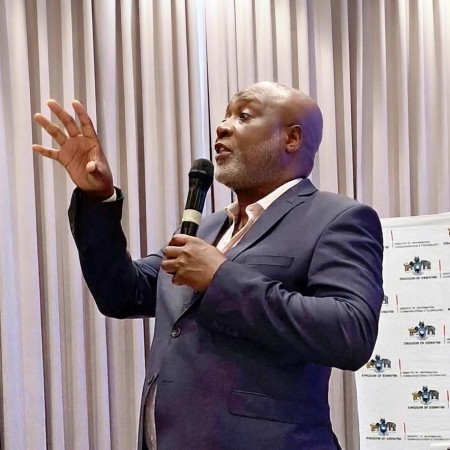







By: Nkosiyabusa Nsibande
The LaunchPad Business Conference was not conceived simply as another event on Eswatini’s growing business calendar. Its underlying idea is to create a platform where entrepreneurship can be discussed in practical economic terms: how businesses identify opportunities, how entrepreneurs build sustainable enterprises, how financial knowledge influences decision-making, and how successful businesses can ultimately create opportunities for other people.
At the centre of the vision is a recognition that entrepreneurship requires more than an idea. An idea only becomes an enterprise when it is connected to a market, a customer, and a viable economic model. From there, the entrepreneur must decide about pricing, finance, operations, people, compliance, and growth. LaunchPad seeks to bring those realities into the conversation rather than treating entrepreneurship as a motivational exercise detached from the financial pressures of running a business.
The program’s emphasis on accountability, generosity, and purpose forms part of that broader philosophy. Purpose gives an entrepreneur a reason for building a business, but accountability introduces the discipline required to convert that purpose into measurable results. Generosity, meanwhile, extends the concept of business success beyond the individual entrepreneur by recognizing the value businesses can create for employees, customers, and communities.

That philosophy is particularly relevant in an economy where young people frequently confront limited employment opportunities. During discussions about the conference, the organizers stressed that young people should not be expected to solve the country’s unemployment challenge by themselves. Instead, entrepreneurship can be approached as one component of a broader economic response in which individuals identify market opportunities and build enterprises capable of employing others.
This distinction helps explain the thinking behind the program. The objective is not simply to increase the number of people who call themselves entrepreneurs. It is to encourage entrepreneurs to build businesses with sufficient commercial substance to survive and, where possible, grow. The difference is important because a business that generates employment has a different economic footprint from one that exists only as a source of self-employment.
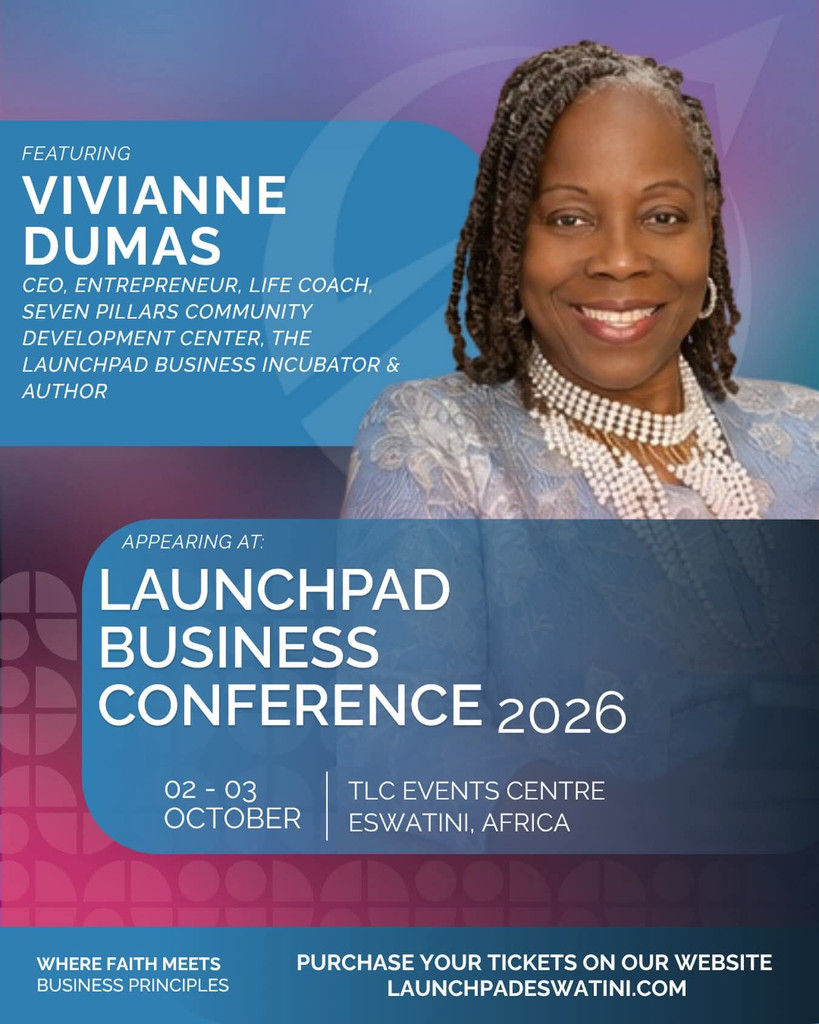
The program’s reported record provides an early indication of this ambition. According to Vivianne, 41 entrepreneurs have graduated from the program, while more than 20 are estimated to have progressed to the point of employing other people. These outcomes point towards a model in which entrepreneurial development is linked to measurable economic activity rather than participation alone.
The vision also places considerable weight on identifying market gaps. For an entrepreneur, finding a gap in the market means understanding what consumers and businesses need but are not being adequately served. That can create opportunities for new products, services, and business models. More importantly, it shifts entrepreneurship away from the question of what someone wants to sell towards the more commercially relevant question of what the market is prepared to buy.
That thinking has direct financial implications. A business built around a genuine market opportunity has a stronger foundation for generating predictable revenue, managing costs, and eventually attracting finance. Conversely, businesses launched without a clear understanding of customers and competitors can consume capital without establishing a reliable path to profitability. By encouraging entrepreneurs to interrogate the market before committing resources, LaunchPad is also encouraging a more disciplined approach to financial decision-making.
The conference therefore sits at the intersection of business development and financial education. Entrepreneurs need to understand how money moves through their businesses, from initial capital expenditure and working capital to sales, operating costs, and reinvestment. They also need to understand the difference between accessing capital and creating value with that capital. Borrowing money, attracting an investor, or receiving support may provide resources, but the long-term test remains whether those resources can be converted into sustainable economic activity.

LaunchPad’s emergence also reflects the importance of collaboration in building an entrepreneurial ecosystem. Business development rarely happens in isolation. Entrepreneurs need access to people who can provide technical expertise, financing, markets, mentorship, and partnerships. A conference can create a meeting point between these different parts of the ecosystem, allowing conversations that may eventually develop into commercial relationships.
This is where the conference’s role as a platform becomes particularly important. Its value is not confined to the stage or the presentations delivered during the event. The more consequential outcomes may happen afterward, when an entrepreneur follows up with a potential partner, approaches a financier with a better-developed business proposal, finds a customer through a new network, or applies financial knowledge acquired through the programme to an existing business.

The long-term vision for LaunchPad therefore appears to be bigger than a single conference date. It is about creating a recurring environment in which entrepreneurship is treated as an economic discipline, with purpose balanced by commercial reality and ambition matched by accountability. For Eswatini, that conversation matters because the development of sustainable enterprises is inseparable from the country’s capacity to expand employment, deepen local markets, and create new avenues for investment.
LaunchPad’s story is consequently one of moving from an idea to an ecosystem platform. Its challenge going forward will be to maintain the connection between inspiration and measurable outcomes: businesses created, businesses sustained, capital mobilized, markets opened, and jobs generated. Those are the indicators that can ultimately determine whether an entrepreneurship platform becomes an annual event or develops into a meaningful part of Eswatini’s broader business-development infrastructure.


Other Articles