





1. Political context
Eswatini remains Africa’s last absolute monarchy, with King Mswati III holding veto power over Parliament and government institutions. Governance indicators remain weak: The BTI 2026 report ranks Eswatini 110th out of 137 countries on political transformation and 114th on economic transformation, reflecting limited reforms and persistent structural challenges.
2. Economic pressures
Eswatini’s economy is deeply intertwined with that of South Africa through a currency peg (the Lilangeni to the Rand), SACU revenue transfers and energy imports. Any economic disruption in South Africa, especially due to war-driven oil shocks or inflation, directly impacts Eswatini’s fiscal health.
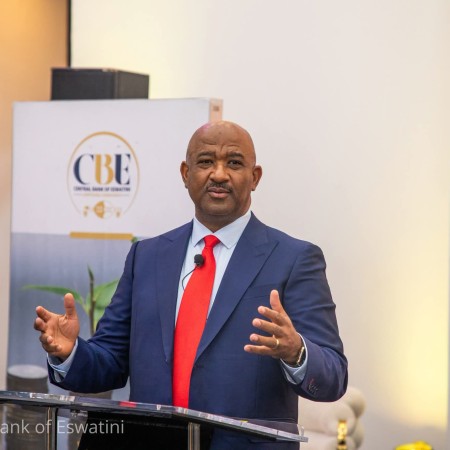
- Growth slowdown: The Central Bank of Eswatini (CBE) has warned that escalating Gulf Region tensions could reduce GDP growth by 0.3 to 1 per cent in 2026.
- Rising inflation: Higher oil prices are already contributing to increased transport and food costs, placing additional strain on household budgets.
- Employment stagnation: Job creation remains sluggish, and wage growth is not keeping pace with inflation, increasing poverty risks for vulnerable households.
3. Regional and global impact
As global supply chains tighten due to ongoing conflicts, Eswatini’s export sectors, particularly sugar and textiles, face reduced demand and higher logistics costs.
- Cost-of-living crisis: Inflationary spillovers from global energy markets, transmitted through South Africa, are exacerbating local financial strain.
- Fiscal vulnerability: Eswatini’s heavy reliance on SACU transfers for government revenue introduces severe risks, especially if regional trade revenues decline.
4. Outlook
In the short term, Eswatini is expected to experience slower economic growth, heightened inflation and increased fiscal strain. Looking ahead, the country’s medium-term outlook remains vulnerable unless it diversifies its economy and strengthens governance structures.
Nonetheless, Eswatini’s resilience is underpinned by:
- Strong community networks that offer social safety nets.
- Subsistence agriculture provides baseline food security.
- A growing culture of small-scale entrepreneurship provides a buffer against external shocks.
5. Conclusion
Eswatini’s current economic landscape is marked by vulnerability due to structural dependencies and limited governance reforms. However, the nation’s adaptability, community cohesion, and entrepreneurial spirit offer hope. As global geopolitical tensions continue to reshape economic realities, Eswatini’s path forward will depend on its ability to harness internal strengths while pursuing strategic reforms.

Other Articles