





By: Nkosiyabusa Nsibande
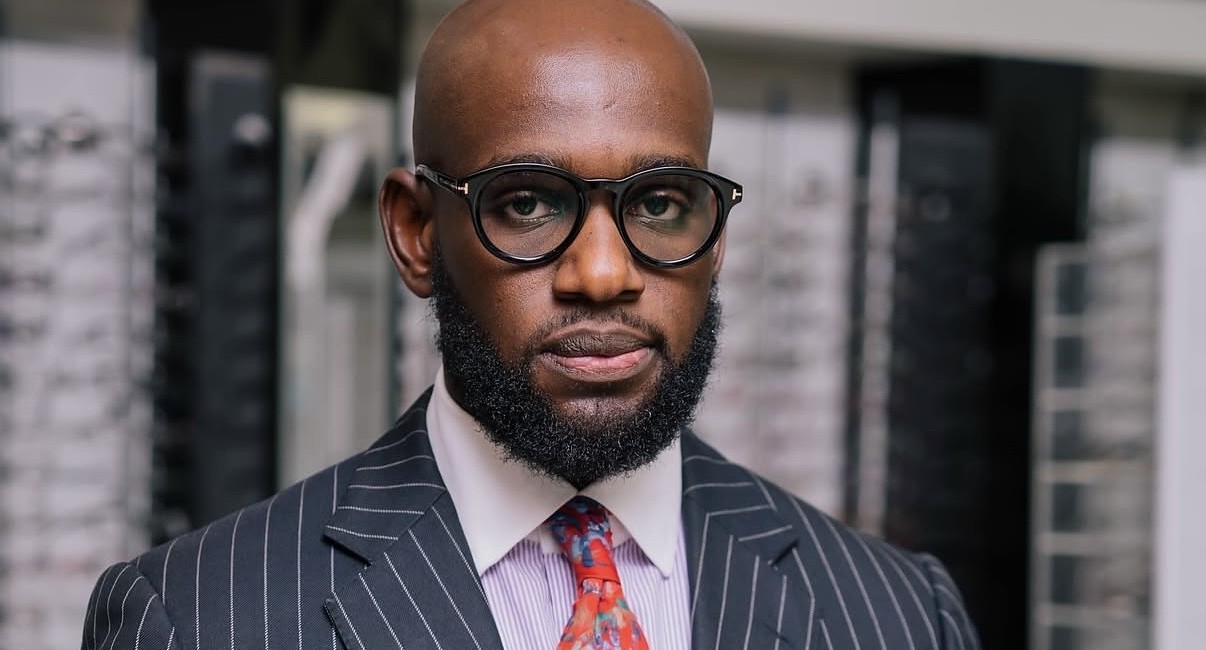
Eswatini TV Journalist and news presenter Sfiso Nxumalo has called upon young people to treat personal branding as more than a social-media exercise, arguing that a strong public profile can create commercial opportunities, partnerships, and additional income streams. However, he cautions that turning visibility into money requires discipline, responsibility, and careful management of one’s reputation.
For young people looking to build additional sources of income, personal branding is increasingly becoming an economic asset rather than simply a means of gaining attention. A recognizable public identity can open access to brand partnerships, campaigns, media opportunities, and commercial relationships, but journalist, television presenter, and influencer Sfiso Nxumalo says the financial value of that visibility depends on how deliberately it is built and managed.
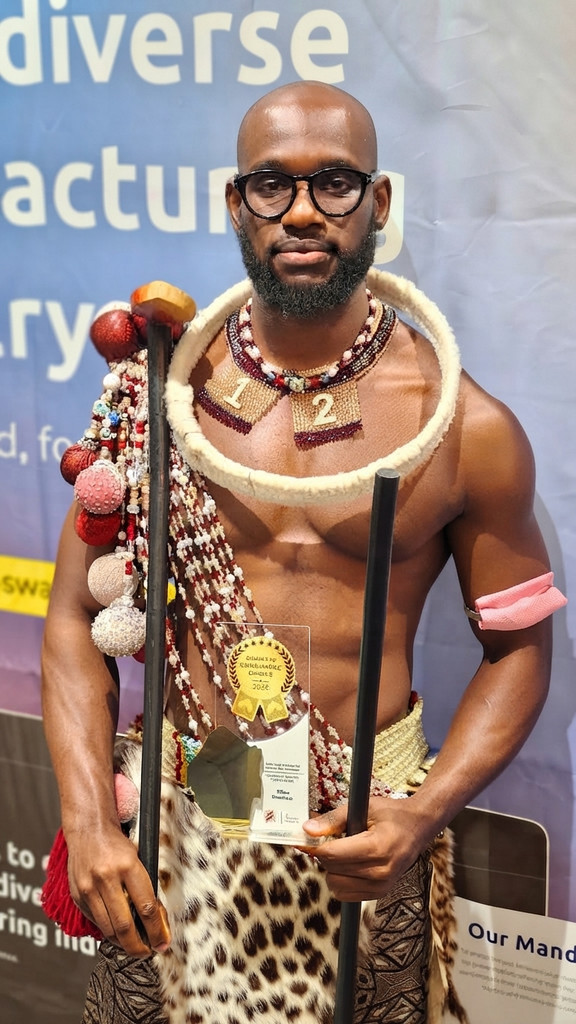
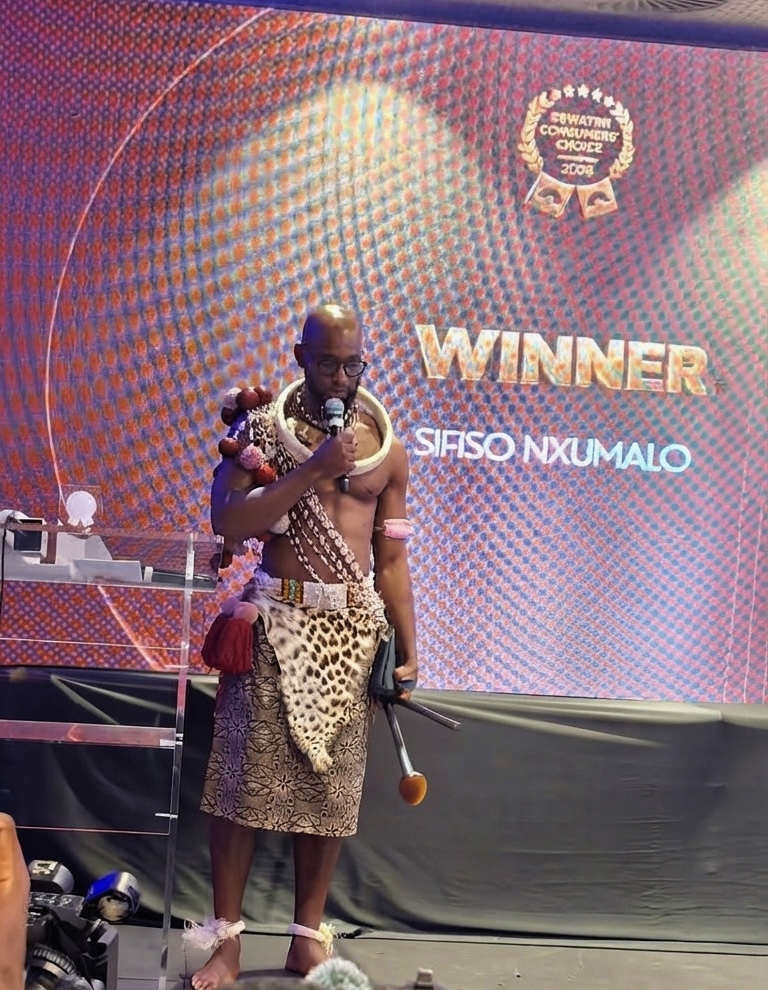
Nxumalo, who was named Consumers’ Favourite Personal Brand at the Consumers Choice Awards hosted by Made in Eswatini, said the commercial importance of a recognizable personal identity has grown as companies increasingly seek alternative ways of reaching consumers. “Being a brand, particularly today, is particularly important,” he said, pointing to the growing interest from companies and other brands in partnering with individuals who already have public recognition and an established audience.
For young people, that recognition can become a potential route to income diversification. Instead of depending solely on employment income, a well-developed personal brand can create opportunities through sponsored campaigns, appearances, collaborations, content creation, speaking engagements, and other commercial arrangements. Nxumalo said public recognition can strengthen an individual’s position in an environment “where opportunities where money and campaigns are available,” making visibility commercially valuable when it is converted into credible partnerships.
Nxumalo’s own career demonstrates how a personal brand can operate across both traditional and digital media. As a journalist and news presenter for the Eswatini Television Authority, he has established a profile through mainstream broadcasting while also developing his presence as an influencer. His opportunity to host and tour with American influencer IShowSpeed during his Eswatini visit further demonstrated how visibility in one space can create opportunities in another.
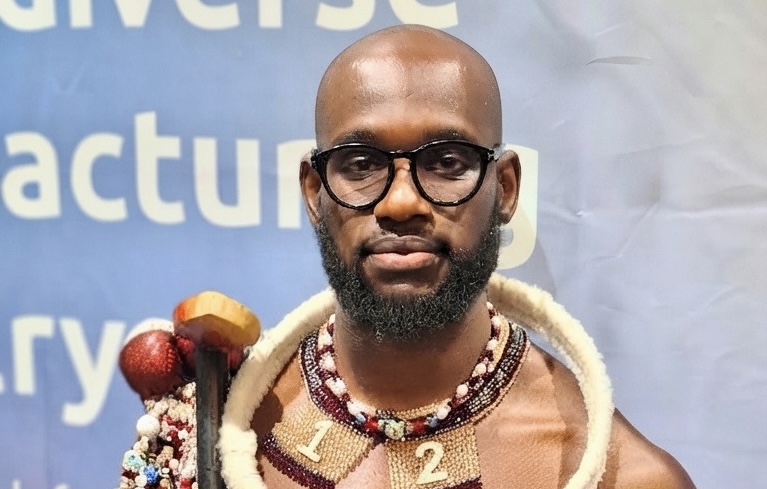
Nxumalo stressed that personal branding should not be reduced to follower numbers. The moment an individual’s public profile attracts commercial interest, reputation becomes part of the asset being offered to businesses. “It comes with a lot of responsibility, comes with a lot of discipline, comes with a lot of making the right choices,” he said, highlighting the need for individuals to understand that their public behavior can directly affect their commercial prospects.
That creates an important financial distinction between popularity and a sustainable personal brand. A large following can generate attention, but attention does not automatically translate into income. Businesses need to know whether an individual’s audience is relevant to their products, whether the creator can influence purchasing decisions, and whether the individual can represent a brand without creating reputational exposure. The commercial value of a personal brand, therefore, lies not only in its size but also in its credibility, consistency, and ability to connect with a defined audience.
Nxumalo also highlighted the gap between the digital platforms where many young people build their audiences and the traditional corporate structures where commercial decisions are often made. TikTok, Instagram, YouTube, Facebook, and X have made it easier for individuals to establish public profiles without going through conventional media institutions. However, businesses that control advertising budgets and partnerships may still operate through more traditional networks.
Rather than seeing this as a disadvantage, Nxumalo views the gap between digital and traditional media as an opportunity. He encouraged young people to “forge their way and find their spaces online,” arguing that a strong digital presence can eventually attract the attention of mainstream media and established businesses. For emerging creators, this means social media can function as the platform for building visibility, while mainstream media can provide additional exposure, credibility, and access to commercial networks.
The financial opportunity, however, requires a more deliberate approach than simply posting consistently. Young people seeking to monetize their personal brands need to understand their audience, develop a clear identity, and identify the types of businesses that can benefit from reaching that audience. They also need to distinguish between short-term promotional income and longer-term brand equity, where credibility built over time continues to generate opportunities beyond a single campaign.
Nxumalo encouraged young people considering personal branding to take the opportunity seriously, but not without recognizing the responsibilities attached to public visibility. “Everyone should leverage” the opportunities created by personal branding, he said, while emphasising that individuals must understand the discipline required to maintain a valuable public identity.

For young people entering an economy where employment income may not always provide multiple avenues for financial advancement, personal branding can form part of a broader income strategy. It does not guarantee earnings, and popularity alone cannot substitute for financial planning, but a credible public profile can create access to commercial opportunities that may otherwise be difficult to reach.
The underlying financial lesson is that visibility itself is not the asset. The asset is the trust, audience, and commercial relationships built around that visibility. For young people, building a personal brand therefore requires the same long-term thinking applied to other forms of wealth creation: establish value, protect the asset, understand the market, and convert opportunities into sustainable income.

Other Articles

African Alliance Backs SMEs To Build Export-Ready Eswatini Brands
Tourism Growth Faces a Measurement and Infrastructure Test