






By: Nkosiyabusa Nsibande
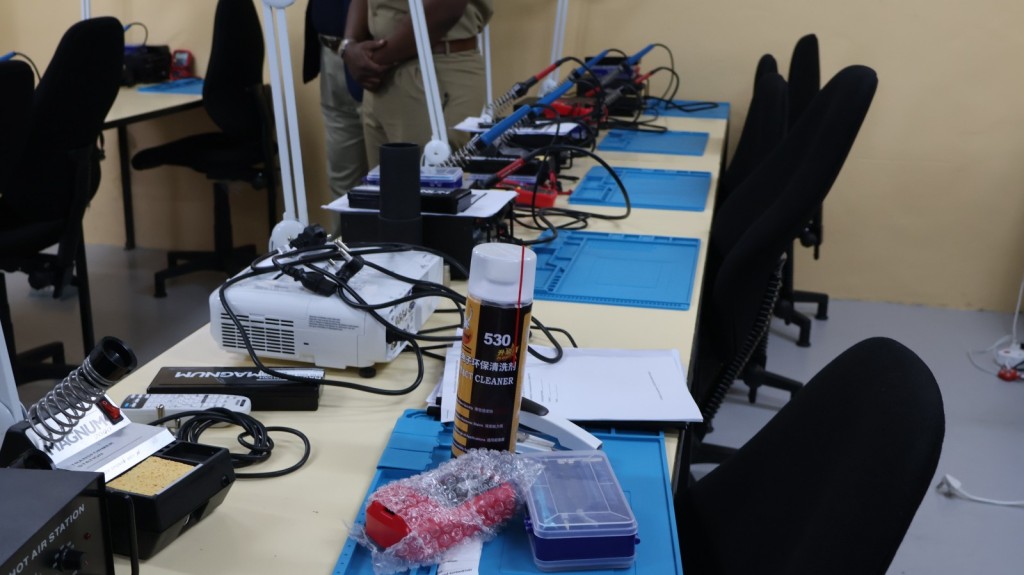
The establishment of two ICT and Mobile Phone Repair laboratories, the installation of 25 computers and laptops and two projector screens, and the graduation of 20 trainees in mobile phone repair mark more than the delivery of digital infrastructure. They reflect a growing shift in how the Eswatini Communications Commission (ESSCOM) is deploying the Universal Access and Service Fund (UASF) to invest in human capital, entrepreneurship and long-term economic participation.
The project, launched at Vulamasango School under His Majesty’s Correctional Services, saw 16 students and four correctional officers complete mobile phone repair training before receiving certificates and start-up toolkits to help them establish income-generating businesses after the programme.
For the financial sector, the significance of the initiative lies not in the equipment itself but in the investment model behind it. Rather than focusing exclusively on expanding network coverage, ESSCOM is increasingly directing universal access funding towards developing a workforce with practical digital skills that can translate into employment, self-employment and greater participation in the digital economy.
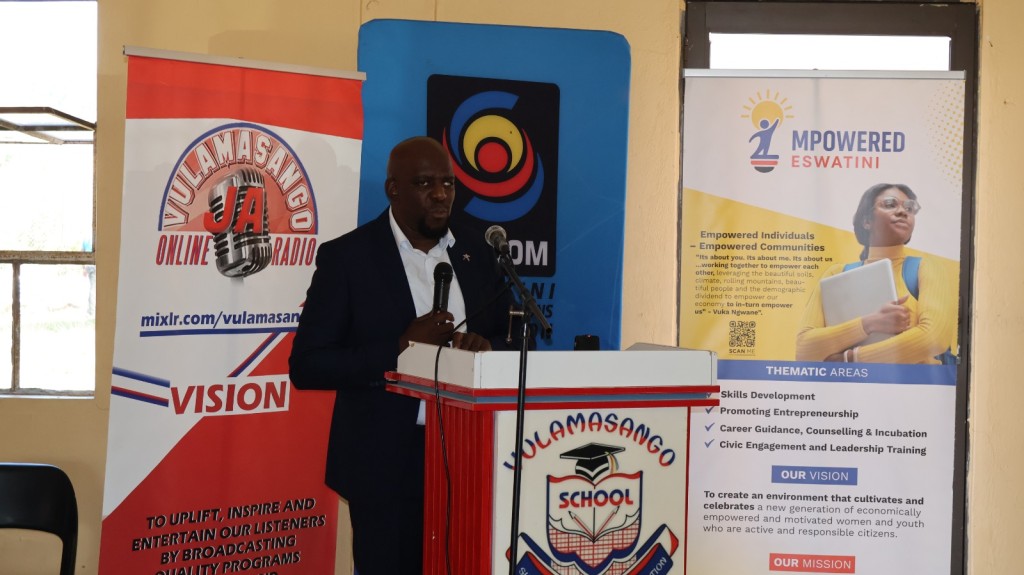
Speaking on behalf of ESSCOM Chief Executive Officer Mvilawemphi Dlamini, Universal Access and Service Fund Director Mbongeni Mtshali said the Fund was created to ensure that every emaSwati can benefit from digital technologies regardless of location or social circumstances. He noted that the Commission now views universal access as more than providing connectivity, saying, “Meaningful universal access can no longer be measured solely by the availability of communications infrastructure or connectivity. It must also be reflected in people’s ability to acquire the knowledge, practical skills and confidence needed to use technology to improve their lives.”
That position represents an important policy evolution. While universal access funds have traditionally financed telecommunications infrastructure, ESSCOM is increasingly using the Fund to generate broader economic returns by investing in employability, enterprise creation and digital capability.
The programme also reflects changing opportunities within Eswatini’s digital economy. As smartphone ownership continues to grow, demand for affordable repair services is rising alongside it. Mobile phone repair requires relatively low start-up capital compared with many other businesses, making it an accessible entry point into entrepreneurship for young people. By combining technical training with entrepreneurship education and business toolkits, the programme reduces the barriers that often prevent skilled graduates from turning knowledge into income.
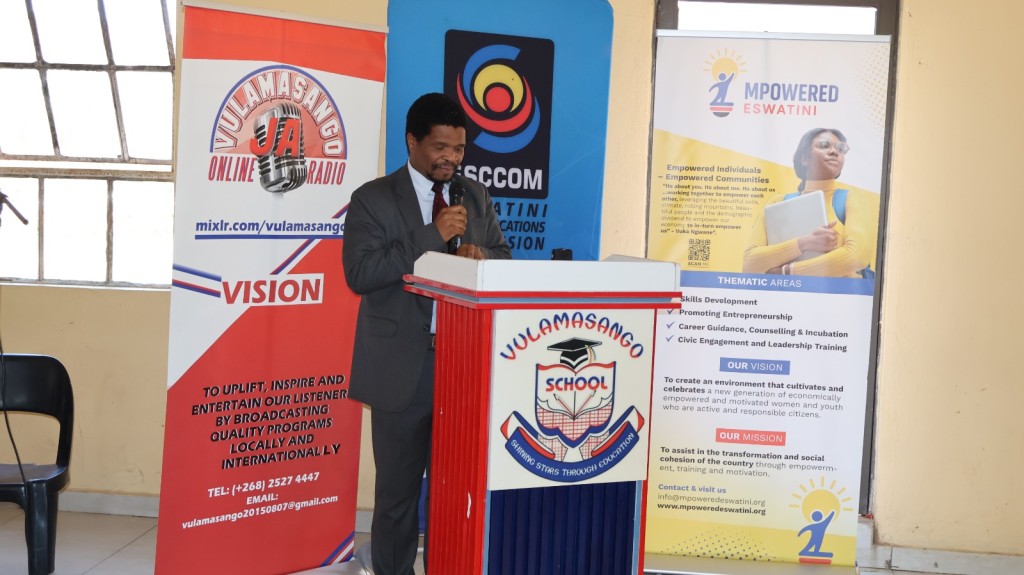
Speaking on behalf of Information, Communications and Technology Minister Savannah Maziya, Principal Secretary Prince Mshishimba said Government considers digital transformation to be about people as much as technology. He said, “Meaningful digital transformation is measured not only by the expansion of infrastructure and connectivity, but also by the opportunities we create for people to participate confidently in the digital economy.” He added that the new facilities “provide practical pathways towards self-reliance by equipping young people with digital literacy, mobile phone repair skills and entrepreneurship training that can translate into sustainable livelihoods.”
Beyond issuing certificates, Government also handed graduates mobile phone repair start-up toolkits, an intervention aimed at lowering the capital required to start a small business. Mshishimba described the toolkits as “an investment in your future” intended to enable graduates to create opportunities for themselves, support their families and contribute positively to their communities.
From a financial perspective, programmes of this nature represent an investment with returns that extend beyond individual beneficiaries. By improving employability and supporting self-employment, skills-based rehabilitation has the potential to reduce long-term social costs while increasing productive economic participation and expanding the country’s base of small enterprises.
The initiative is also expected to grow beyond correctional services. Mshishimba revealed that ESSCOM intends to extend mobile phone repair and entrepreneurship training to community iHubs across the country, transforming them into centres for technical skills development and enterprise creation. He called on Government, development partners, financial institutions and the private sector to support the expansion, saying collaboration is essential to building “a national ecosystem that equips young emaSwati with practical digital skills, supports entrepreneurship and contributes to sustainable economic growth.”
The Vulamasango project demonstrates that the Universal Access and Service Fund is evolving from a communications infrastructure fund into a broader economic development instrument. The two new laboratories, 25 computers and laptops, two projector screens and 20 newly trained technicians are not simply project outputs. They represent an investment in future entrepreneurs, skilled workers and small businesses that could strengthen Eswatini’s digital economy long after the equipment has been installed.