






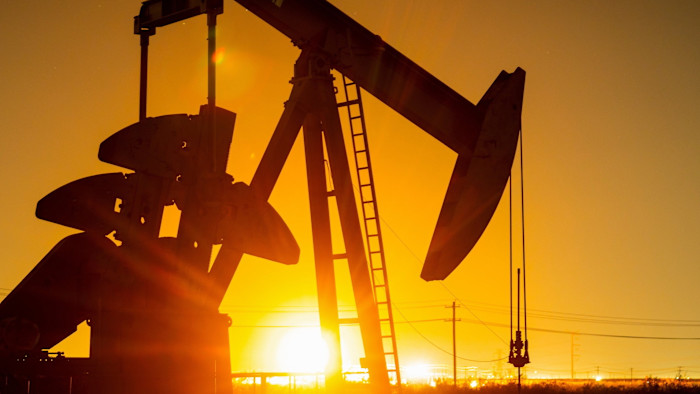
Global oil markets swung sharply higher on Thursday after fresh United States military strikes on Iranian targets renewed fears of prolonged supply disruptions in the Middle East. The rebound erased part of the previous session’s heavy losses, highlighting growing uncertainty among investors over the future of the Strait of Hormuz and the broader global energy market.
Global oil markets remained highly volatile on Thursday as renewed military tensions between the United States and Iran pushed crude prices higher and revived fears of a prolonged energy supply crisis, according to Reuters.
Reuters reported that oil prices rebounded after the United States launched fresh overnight strikes on an Iranian military site believed to threaten both American forces and commercial shipping operations near the Strait of Hormuz. The strategic shipping corridor handles roughly a fifth of the world’s oil trade, making any disruption there a major concern for global markets.
According to Reuters, Brent crude futures rose above US$96 per barrel in early trading, while US West Texas Intermediate crude climbed past US$90 per barrel. The gains followed a sharp sell-off in the previous trading session, when prices dropped by more than five percent after reports suggested Washington and Tehran were moving closer towards a possible agreement that could reopen the Strait of Hormuz and ease tensions in the Gulf region.
Reuters reported that the latest price swings reflect how sensitive energy markets have become to developments in the Middle East conflict, which has now entered its third month. Investors are increasingly navigating a market driven less by traditional supply-and-demand fundamentals and more by geopolitical risk, shipping disruptions and uncertainty surrounding diplomatic negotiations.
According to Reuters, the latest US military action targeted facilities in southern Iran that officials believed posed risks to maritime traffic and regional security. Iran has repeatedly accused Washington of violating earlier ceasefire understandings, while the United States maintains the strikes were defensive measures aimed at protecting shipping lanes and military personnel operating in the region.
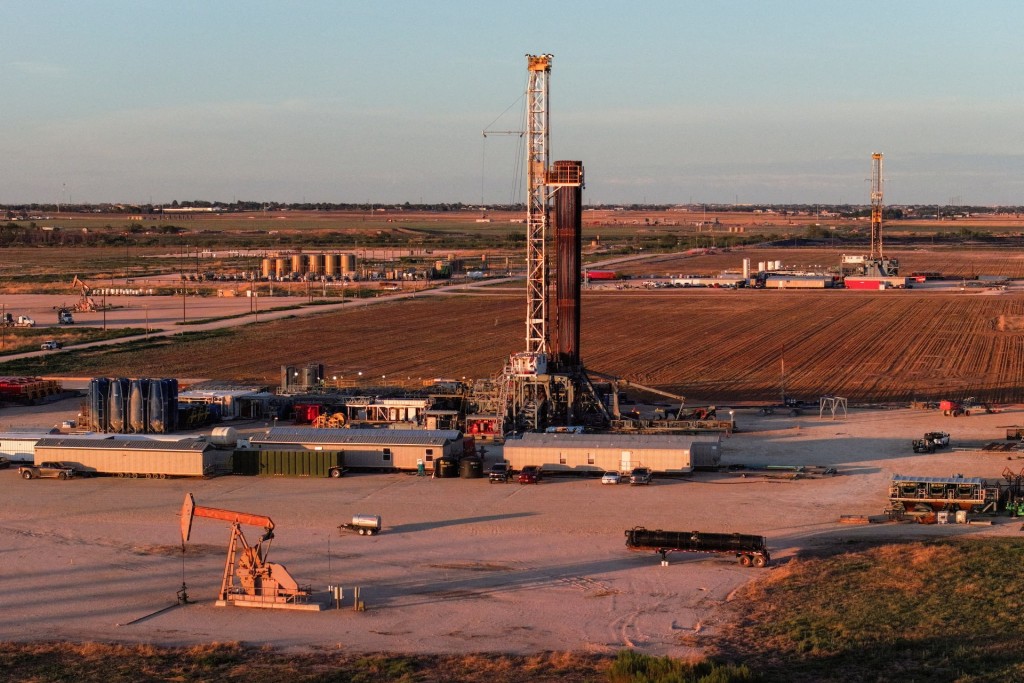
Reuters further reported that the Strait of Hormuz has become the focal point of the global energy crisis. Analysts estimate that close to 20 percent of the world’s daily oil and liquefied natural gas supplies pass through the narrow waterway linking the Persian Gulf to international markets. Since the conflict escalated earlier this year, commercial vessel traffic through the strait has declined significantly, tightening global supply chains and increasing insurance and freight costs for shipping companies.
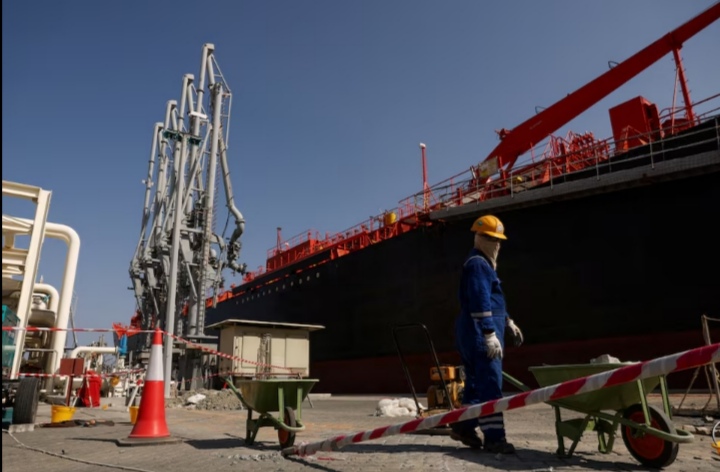
According to Reuters, tanker traffic through the Strait of Hormuz remains far below normal levels despite isolated movements by a handful of vessels in recent days. Shipping analysts say a full recovery in oil flows will depend not only on political agreements but also on improved maritime security, reduced military threats and lower insurance risks for global carriers.
Reuters reported that earlier optimism surrounding possible peace negotiations between the United States and Iran had briefly pushed oil prices down to their lowest levels in more than a month. Investors had hoped that a diplomatic breakthrough would eventually restore stability to Gulf shipping routes and improve oil supply flows into international markets.
According to CNBC Africa, markets remain nervous over the possibility of future restrictions or security incidents in the Gulf region, with traders increasingly pricing geopolitical risk into global crude benchmarks. Analysts say the uncertainty has made oil markets more reactive to political developments than economic fundamentals.
Reuters also reported that declining oil inventories in the United States have added further upward pressure on prices. Data from the American Petroleum Institute showed that US crude stockpiles fell by 2.8 million barrels last week, marking the sixth consecutive weekly decline and signalling continued supply tightness despite slowing global economic conditions.
According to market analysts cited by Reuters, investors are now closely watching upcoming inventory data from the US Energy Information Administration, as well as further diplomatic developments between Washington and Tehran. Analysts believe oil prices are likely to remain volatile in the coming weeks as traders react to every new military or political development emerging from the Gulf region.
Reuters reported that the latest developments once again highlight how quickly geopolitical instability can reshape international energy markets, influence inflation trends and place renewed pressure on the global economy, particularly for oil-importing countries already dealing with elevated fuel and transport costs.