





By: Nkosiyabusa Nsibande
Seventy professionals drawn from Eswatini’s public enterprises have completed an Advanced Project Management program, with the certification placing renewed emphasis on execution capacity as parastatals face growing pressure to deliver projects efficiently, manage resources effectively, and translate institutional mandates into measurable economic outcomes.
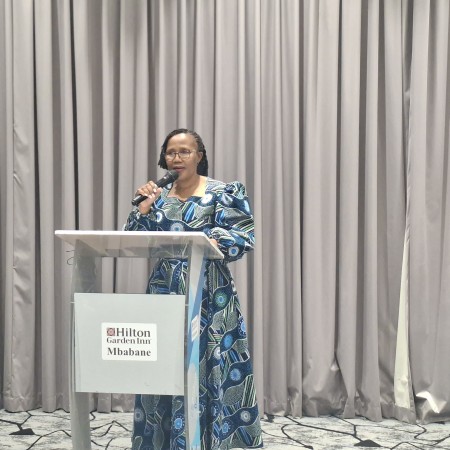
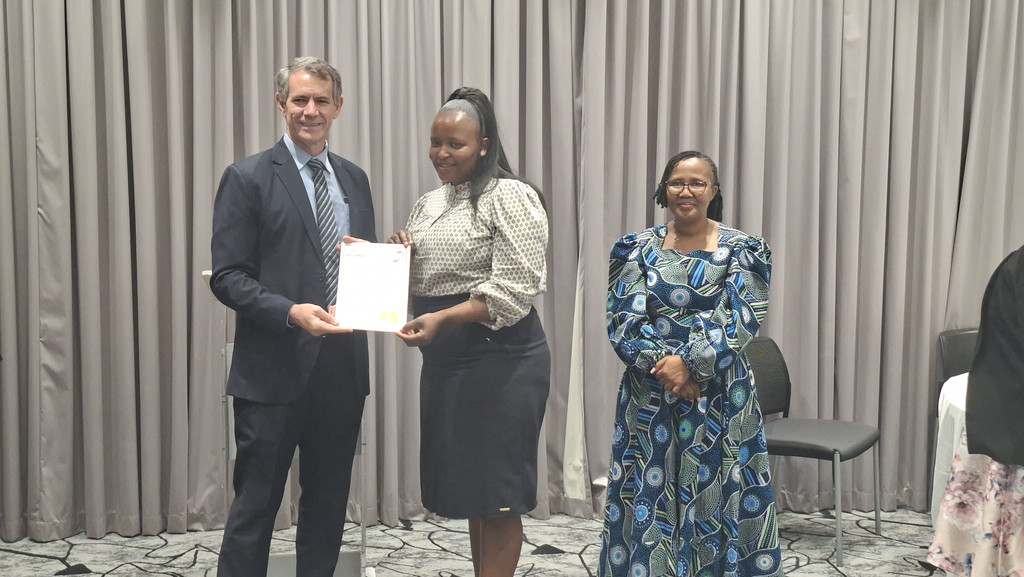
The candidates were certified at a ceremony hosted by the Public Enterprise Unit (PEU) at Hilton Garden Inn on Friday, following training facilitated by MSQ Iminsimbi Solutions. Representing the graduates, Futhi Nxumalo said the program had equipped participants with practical project-management capabilities that could be applied directly within their respective organizations, rather than treating certification as an end in itself.
Nxumalo described the training as a significant professional development opportunity, saying participants had emerged with a stronger understanding of what is expected of project managers operating across different institutions and sectors. “It was not a simple journey, but they made it so easy by imparting knowledge to us,” she said, crediting the facilitators for helping participants develop a practical understanding of project-management principles.

For public enterprises, where project execution can determine whether capital expenditure translates into productive assets, improved services, or additional revenue-generating capacity, the emphasis on implementation is particularly relevant. Nxumalo said the graduates were now expected to take responsibility for applying the knowledge acquired during the program in their workplaces.
“As graduates, we are going to implement at work, and we are going to work the plan,” she said. The statement reflects the central commercial challenge facing project-based investment in the public sector: the value of a project is ultimately determined not by the quality of its proposal or the availability of funding, but by whether it is implemented within scope, cost, and time and produces the intended economic or operational return.
Nxumalo said the training had also strengthened participants’ ability to manage projects throughout their life cycles, providing them with access to tools that could improve planning, implementation, and oversight. “We will be the implementers of projects throughout their life cycles, because now we have the knowledge that was imparted to us. We will be able to utilize the necessary tools,” she said.
The program also sought to address the human-capital component of project execution. Nxumalo said participants initially faced demanding activities and assignments but developed resilience through collaboration and facilitator guidance. That experience, she argued, had changed how graduates approached their responsibilities in the workplace. “We have that resilience; we have confidence in what we are doing. We are confident in what we are implementing,” she said.
The broader economic significance of the program lies in whether those capabilities can improve the performance of the institutions in which the graduates work. Public enterprises control and administer projects that affect infrastructure, service delivery, investment, and employment, making the quality of project management an important link between institutional resources and economic output.
Nxumalo placed that responsibility directly on the graduates, arguing that their newly acquired capabilities should extend beyond individual career development. “We are going to change the economy of Eswatini because of the knowledge that we have attained,” she said, positioning project-management expertise as a potential contributor to wider economic performance.
The certification of the 70 candidates, therefore, represents more than the expansion of professional qualifications across parastatals. Its practical value will ultimately be measured by whether the skills acquired through the program translate into better project selection, stronger implementation discipline, more effective use of resources and improved delivery across the public-enterprise sector.
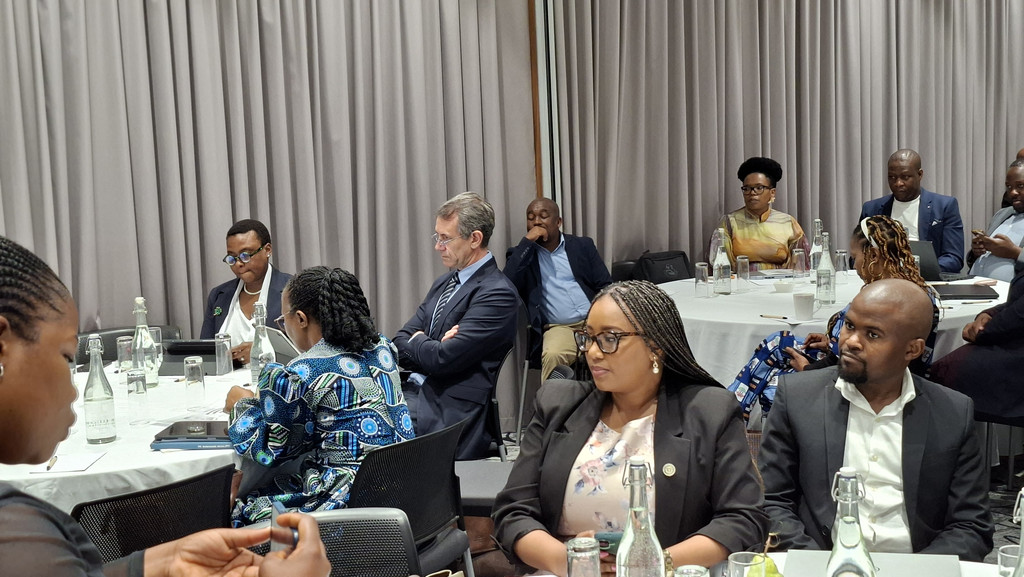
Nxumalo also highlighted the value of bringing professionals from different public enterprises into a common learning environment, saying participants were able to exchange experiences from their respective institutions and sectors. “Most of all, all the participants, we really appreciate the time that we spent together for this country, to expand our different experiences in our different endeavors,” she said.
For the PEU, the development of project-management capacity comes when public enterprises are increasingly expected to strengthen their contribution to economic activity while improving institutional performance. The effectiveness of the 70 newly certified professionals will consequently depend less on the certificates they received at Hilton Garden Inn and more on how consistently their organizations use their skills to move projects from plans and budgets into completed, productive outcomes.


Other Articles

Loan Guarantee Fund Shifts Focus to State-Owned Enterprises Capacity
Family Businesses Must Survive Their Founders to Preserve Wealth