



By: Nkosiyabusa Nsibande
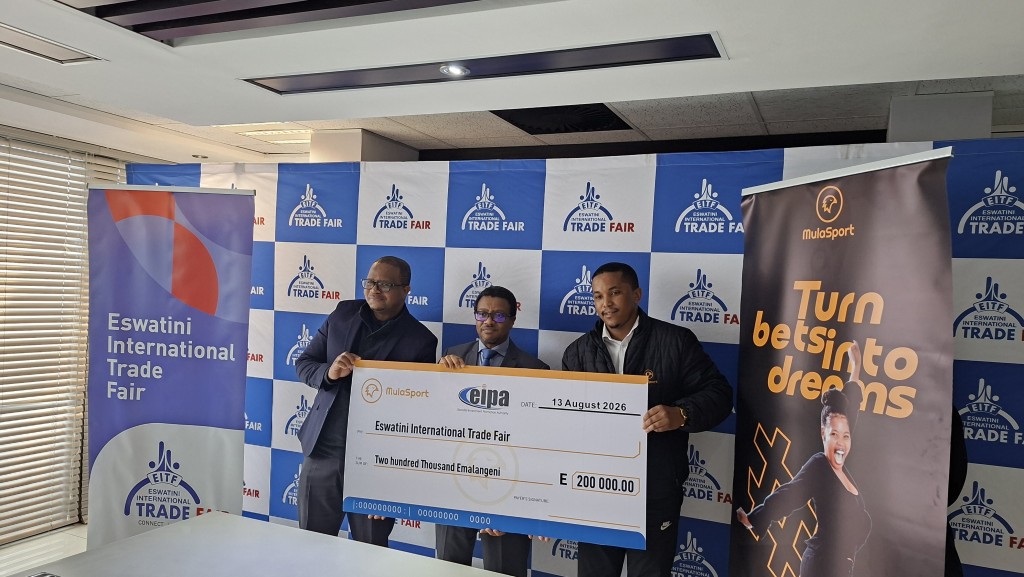
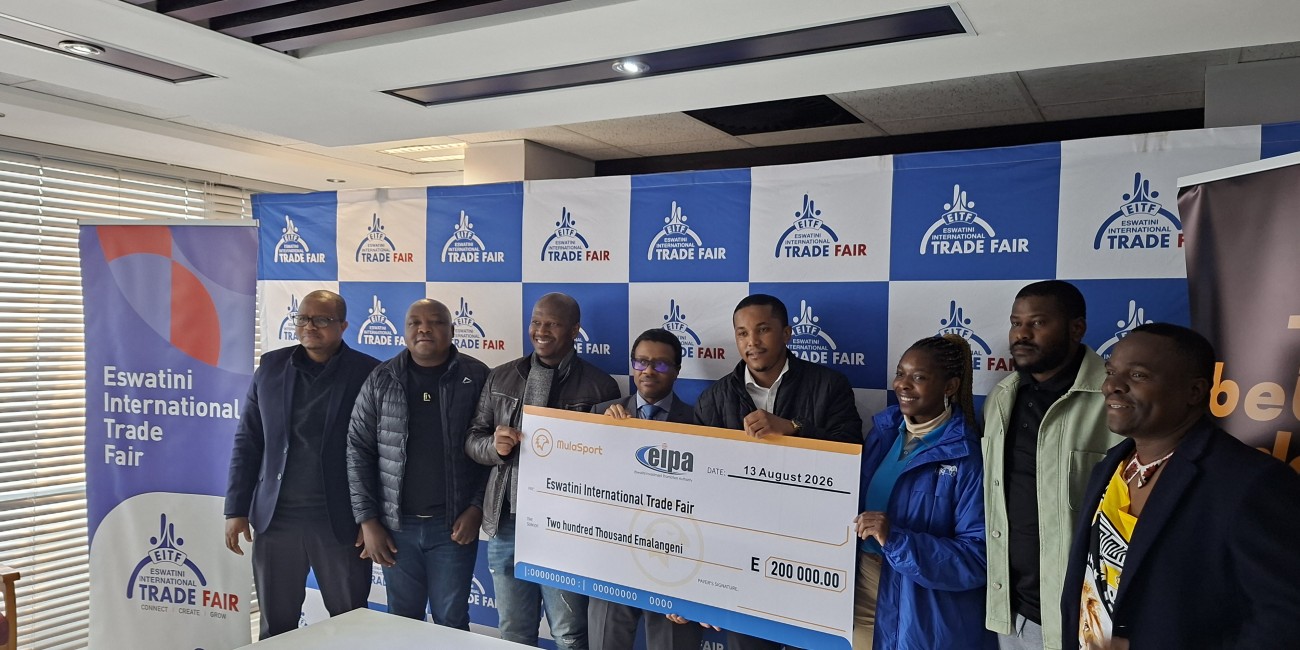
Mula Sports Eswatini has committed E200,000 towards sporting activities at the Eswatini International Trade Fair (EITF) 2026, putting corporate sponsorship at the centre of efforts to position sport as part of the wider commercial and economic value chain of the country’s biggest trade platform.
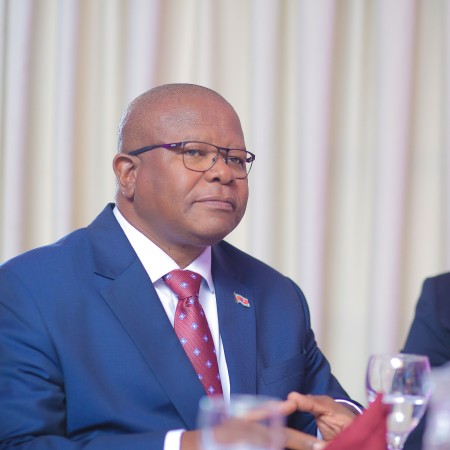
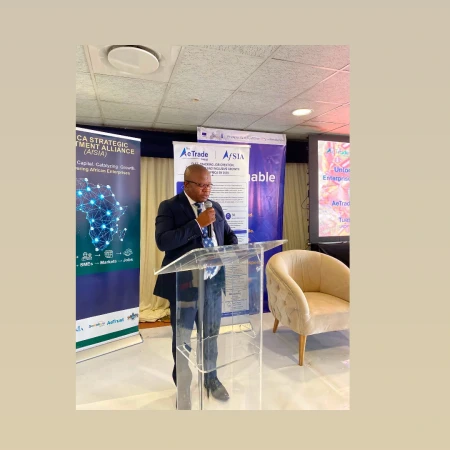
The sponsorship will finance four sporting codes, with E50,000 each going towards volleyball, basketball, netball and cultural dances. Speaking during a press briefing at the EIPA boardroom, EIPA CEO Sibane Mngomezulu said the contribution illustrates the role that private capital can play in supporting sporting development while creating platforms that connect businesses with consumers, communities and potential markets.
Mngomezulu said EITF was particularly pleased to partner with Mula Sports, describing the company as an organisation that has consistently demonstrated its commitment to sport in Eswatini. He said the E200,000 investment should not only be viewed as a contribution towards sporting events, but also as an example of how corporate resources can generate wider social and economic value through partnerships. “Your support demonstrates the important role that the private sector can play in promoting sport, supporting talent and creating platforms that bring communities together,” he said.
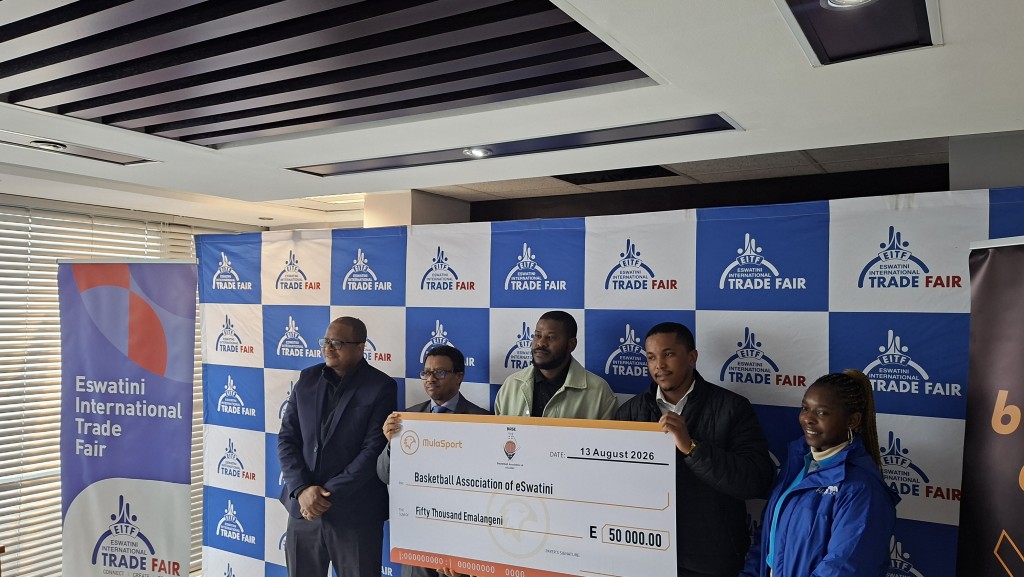
This significance of the sponsorship extends beyond the amount committed. Corporate sponsorship represents one of the financial channels through which sport can be developed as an industry, allowing businesses to invest in events that generate visibility, consumer engagement and opportunities for sporting associations and athletes. The EITF programme therefore creates an opportunity to examine sport not merely as recreation, but as an economic activity capable of attracting investment and supporting related businesses.
Mngomezulu said EITF intends to use the sporting programme to bring the commercial and sporting communities closer together, arguing that the Trade Fair should be viewed as more than an exhibition space. “The Trade Fair is more than a sporting platform. It is a marketplace of ideas, products, services and opportunities,” he said, stressing the need to close the gap between sport and business.
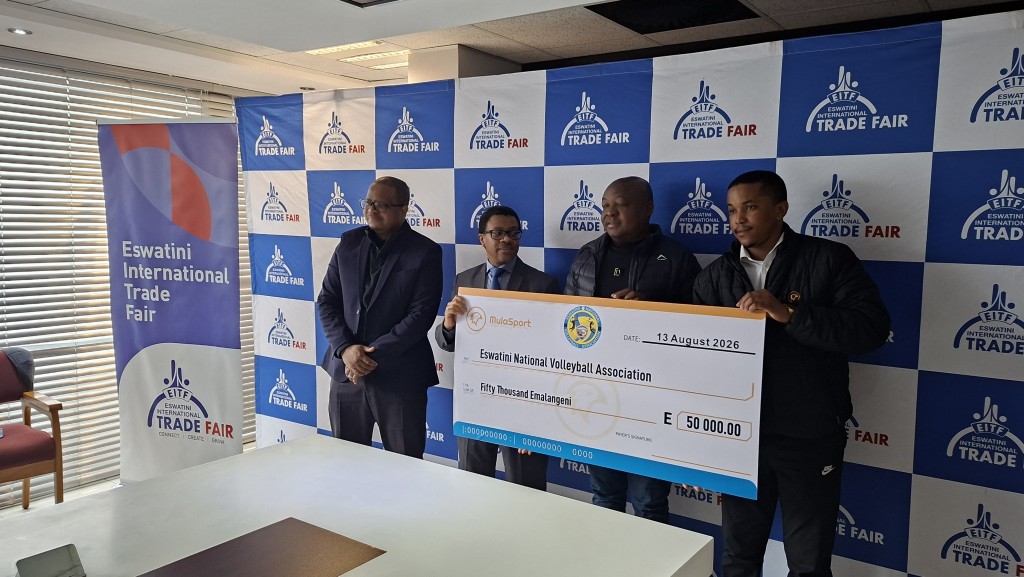
The timing of the investment is also significant, with preliminary sporting games scheduled to begin during the weekend of 21 August, ahead of the official opening of the Trade Fair. According to Mngomezulu, these preliminary fixtures will give participating teams an opportunity to engage supporters before the main Trade Fair programme begins, potentially increasing traffic around the exhibition and commercial activities.
The EITF leadership is encouraging sporting associations to convert this increased audience into economic participation by directing players, supporters and fans towards exhibition stands, seminars and other activities taking place within the Trade Fair. Mngomezulu urged the sporting fraternity to “take an interest in business, just as we encourage the business community to recognise the enormous potential of sport as an industry and an economic driver.”
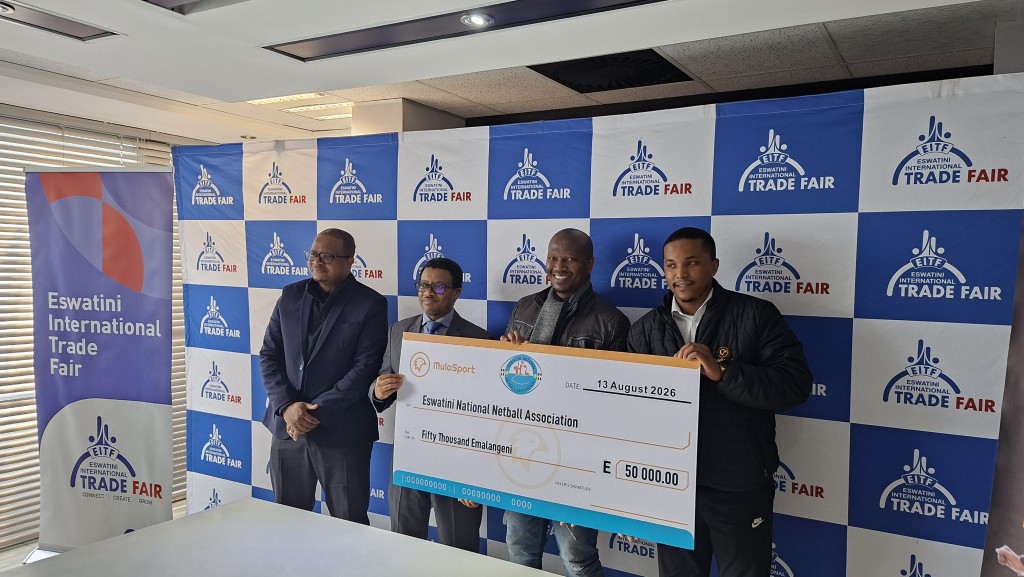
This approach places consumer spending and business exposure at the heart of the sporting programme. Fans attending matches can become potential customers for exhibitors, while participating businesses can gain access to a concentrated audience through sponsorship, product promotion and direct engagement. In this sense, the sporting component of EITF has the potential to increase the economic circulation generated by the Trade Fair beyond traditional exhibition activities.
Mngomezulu also linked the sponsorship to the broader environmental, social and governance (ESG) agenda, noting that corporate responsibility should increasingly be assessed through the manner in which companies deploy their resources to create measurable social and economic impact. He encouraged the public to support Mula Sports, saying the company has over the years demonstrated corporate social responsibility by sharing its profits to support sport.
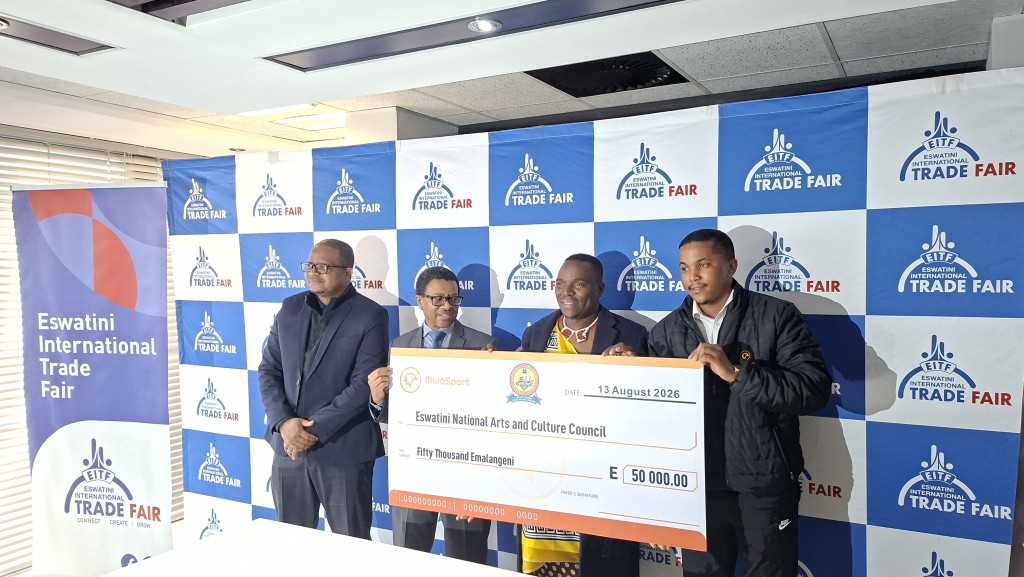
The connection between sponsorship and ESG is increasingly relevant for businesses seeking to demonstrate that profitability can coexist with social investment. In the EITF context, the Mula Sports contribution provides a local example of how corporate spending can support community participation, talent development and institutional partnerships while simultaneously strengthening a company’s visibility within a major commercial event.
As preparations for EITF 2026 intensify, the E200,000 sponsorship provides a financial foundation for the sporting programme while highlighting a broader question for Eswatini’s economy: whether sport can develop from an activity largely dependent on sponsorship and public support into a commercially sustainable industry with its own revenue streams, investment models and business opportunities.
Mngomezulu said the objective should ultimately be to make the Trade Fair a celebration of business and trade while also showcasing sport, culture, talent and partnership. The challenge now is to ensure that the financial resources entering the sporting programme translate into sustained economic opportunities for associations, athletes, businesses and communities beyond the duration of the Trade Fair.