



By: Nkosiyabusa Nsibande
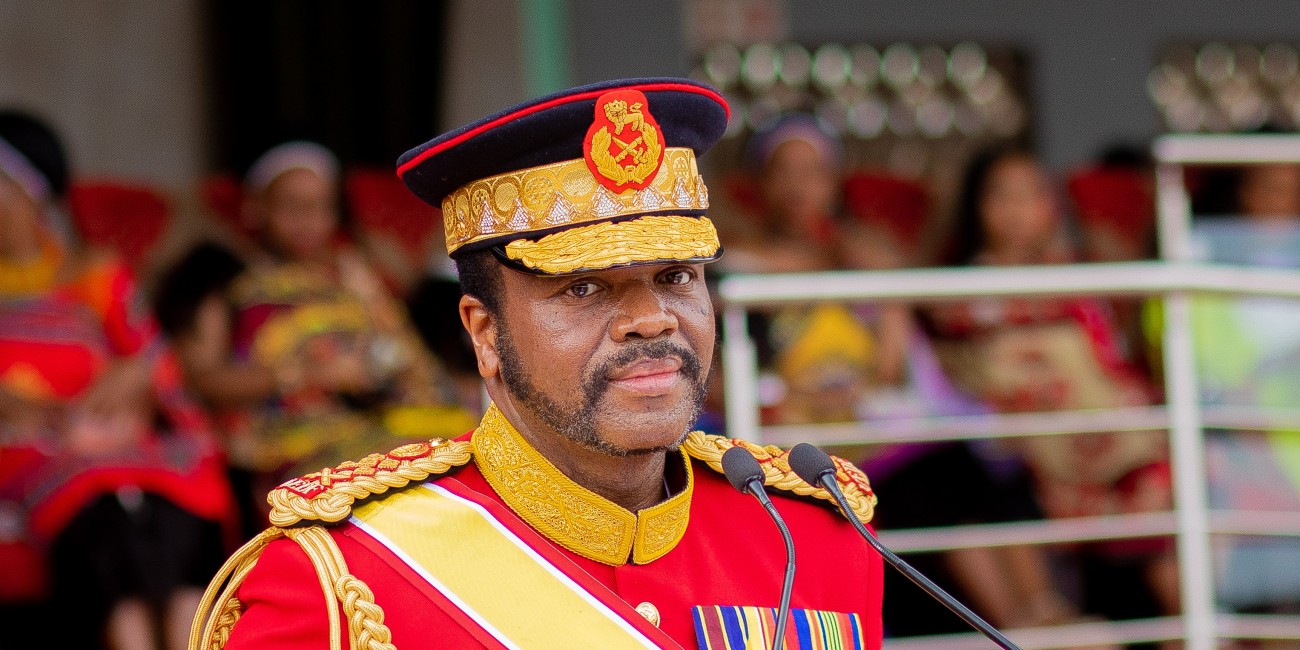
His Majesty King Mswati III has called attention to the growing commercial significance of the International Trade Fair as a platform for expanding cross-border trade, investment linkages, and business networks across the Southern African region, with the increasing participation of exhibitors demonstrating the demand for stronger regional market connections.
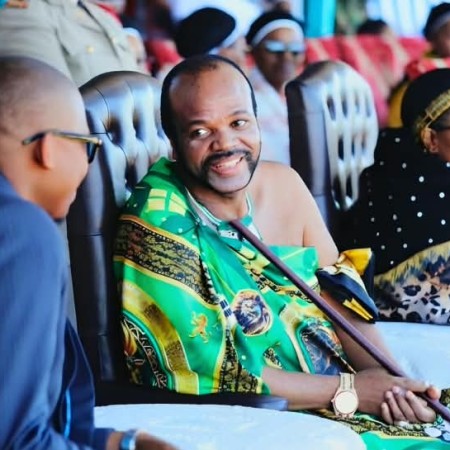
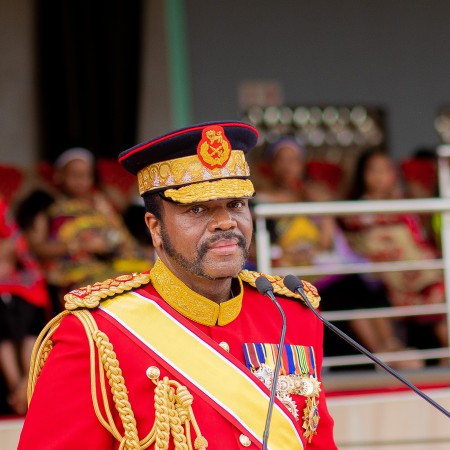
Speaking during the official opening of the Eswatini International Trade Fair at the Mavuso Trade and Exhibition Centre, His Majesty said the exhibition was helping to create an environment in which businesses from SACU and SADC member states could interact directly, exchange ideas, and identify opportunities to increase trade among countries in the region. He described the development as an important step towards unlocking cross-border commerce, noting that “from this trade fair, we realize that we are also unlocking cross-border trade among the regional members,” allowing businesses within SADC and SACU to increase communication and exchanges of ideas.
For businesses, the value of such an exhibition extends beyond the immediate sale of goods and services. Trade fairs can reduce the information gap between producers, buyers, investors, and potential distribution partners by allowing businesses to establish relationships directly. This is particularly relevant for smaller enterprises seeking access to regional markets, where the ability to identify customers, suppliers, and commercial partners can determine whether a business remains confined to the domestic market or develops a wider export footprint.

The king, therefore, encouraged EmaSwati and other visitors to engage directly with participating businesses rather than treating the exhibition simply as a public event. He urged the nation to “go visit the stands that we have at the center” so that people could interact with exhibitors, understand their products and services, and learn more about the investment and business opportunities being presented.
The growing commercial interest in the trade fair is also reflected in the increase in exhibitor participation. According to the King, some businesses that were unable to secure an opportunity to participate during the previous edition observed the opportunities generated by the exhibition and decided to participate this year. He said this increased demand had necessitated the expansion of exhibition stands, indicating that the trade fair is attracting a broader pool of enterprises seeking visibility, customers, and potential commercial relationships.
However, the increase in participation has exposed a capacity constraint at the existing venue. The King acknowledged that the current facilities are no longer adequate to accommodate all the exhibitors seeking space, creating a case for investment in expanded exhibition infrastructure. “As it is very clear that our venue is no longer adequate to accommodate all the exhibitors that we have,” he said, “this gives us a challenge to go back to the drawing board and make a design that is going to accommodate more exhibitors.”
From a business infrastructure perspective, the issue is significant because the capacity of a trade facility can influence the number of enterprises able to participate, the diversity of products available to buyers, and the overall commercial value generated by the event. A larger and better-designed exhibition facility could therefore increase the number of businesses accessing the market, while creating additional opportunities for suppliers of exhibition services, hospitality, transport, logistics, and other supporting sectors.
The King further linked the expansion of the trade fair to the need to ensure that businesses are not excluded from future commercial opportunities. The intention, he said, should be to develop a design that can accommodate more exhibitors and provide additional entrepreneurs with the opportunity to showcase their products in future editions.
This creates a broader economic consideration for Eswatini, where expanding the participation of local businesses in regional markets remains important for increasing the country’s productive capacity and strengthening private-sector activity. Greater exposure to regional buyers can help businesses test demand, develop new distribution channels, and build the commercial relationships required to scale beyond the domestic market.
The International Trade Fair has also broadened its economic and social offering by incorporating entertainment and sporting activities, with the King noting that the event was designed to provide opportunities for different segments of society. Amusement facilities have been introduced to ensure that young people and children can participate in the experience while adults engage with exhibitors and explore commercial opportunities.
The integration of sport into the trade fair was also presented as an investment in human capital and the competitiveness of local teams. The King welcomed the combination of sporting activities and the business exhibition, saying health practitioners advise people to remain physically fit and healthy. He described the combination as “a great combination,” linking the sporting program to broader efforts to promote healthier communities.
More importantly from a development perspective, the sporting component is expected to provide local teams with additional competition and motivation to intensify their training. The King expressed the hope that the activities would contribute to the development of Eswatini’s sporting capabilities so that local teams could eventually compete more effectively on the international stage.
The success and scale of the trade fair, however, remain dependent on private-sector and institutional support. The King acknowledged the contribution of sponsors and other stakeholders, stressing that an event of this magnitude could not be successfully delivered without financial backing and other forms of support.
He specifically recognized the contribution of 8bet and Mula Sport, alongside other sponsors and stakeholders that participated in making the event possible. Such partnerships demonstrate the role that private capital and corporate participation can play in supporting platforms that facilitate market access, business networking, and economic activity.
The increasing demand for exhibition space, the broader participation of businesses, and the integration of trade, sport, and entertainment point to an event that is becoming more economically significant. For Eswatini, the opportunity now lies in converting the visibility generated at the trade fair into actual commercial transactions, investment commitments, regional distribution agreements, and sustained cross-border business relationships.
The King’s remarks, therefore, place the International Trade Fair within a broader economic context, not merely as an annual exhibition, but as a platform through which businesses can access markets, develop networks, and position themselves within the SACU and SADC economies. The challenge ahead will be to ensure that the infrastructure supporting the fair grows at the same pace as demand from businesses seeking to participate in regional commerce.