





By: Nkosiyabusa Nsibande
His Majesty King Mswati III has signed an agreement amending Article 33 of the Southern African Development Community (SADC) Treaty, introducing a stronger framework for addressing prolonged delays in the payment of financial subscriptions by Member States. The development has direct financial implications for the regional bloc because the timely payment of subscriptions is critical to maintaining SADC’s institutional operations, programs, and the ability to implement regional development priorities.
The amendment comes at a time when SADC continues to place greater emphasis on regional integration, economic cooperation, and the implementation of programs that require predictable financial resources. For a regional institution whose activities depend in part on contributions from member states, delays in subscriptions can strain cash flow, disrupt program implementation, and complicate financial planning.
From a public finance perspective, the amendment signals an effort to strengthen financial discipline within the regional bloc by providing clearer mechanisms for dealing with Member States that take extended periods to settle their financial obligations. Reliable subscription payments enable SADC to prepare budgets with greater certainty, meet operational commitments, and support initiatives that promote trade, infrastructure development, and economic integration across Southern Africa.
The issue is particularly relevant to the region’s broader economic agenda because SADC programs increasingly require sustained financing to support cross-border infrastructure, trade facilitation, industrial development, and other integration initiatives. Weaknesses in the collection of Member State contributions can therefore extend beyond the organization’s administration and affect the pace at which regional economic programs are implemented.
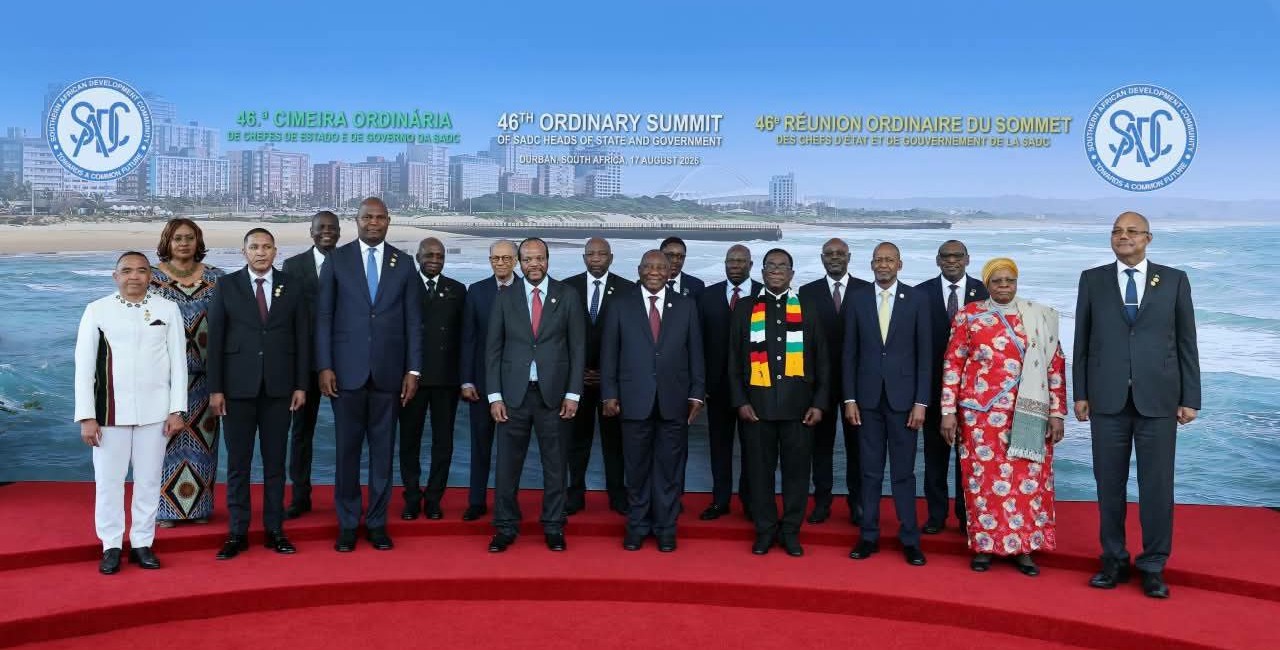
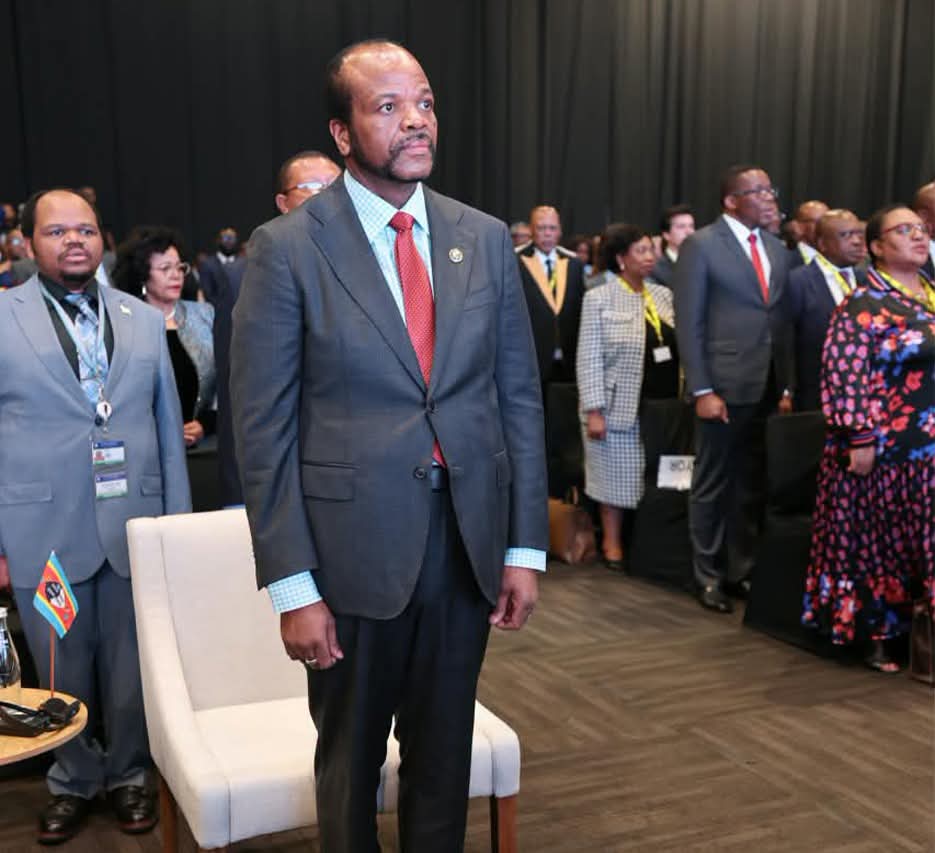
King Mswati III joined Heads of State and Government at the opening ceremony of the 46th Ordinary SADC Summit in Durban, KwaZulu-Natal, where regional leaders are deliberating on issues affecting cooperation, integration, and shared economic development. The Summit provides a platform for Member States to assess progress on regional commitments and consider measures to improve the effectiveness of SADC institutions.
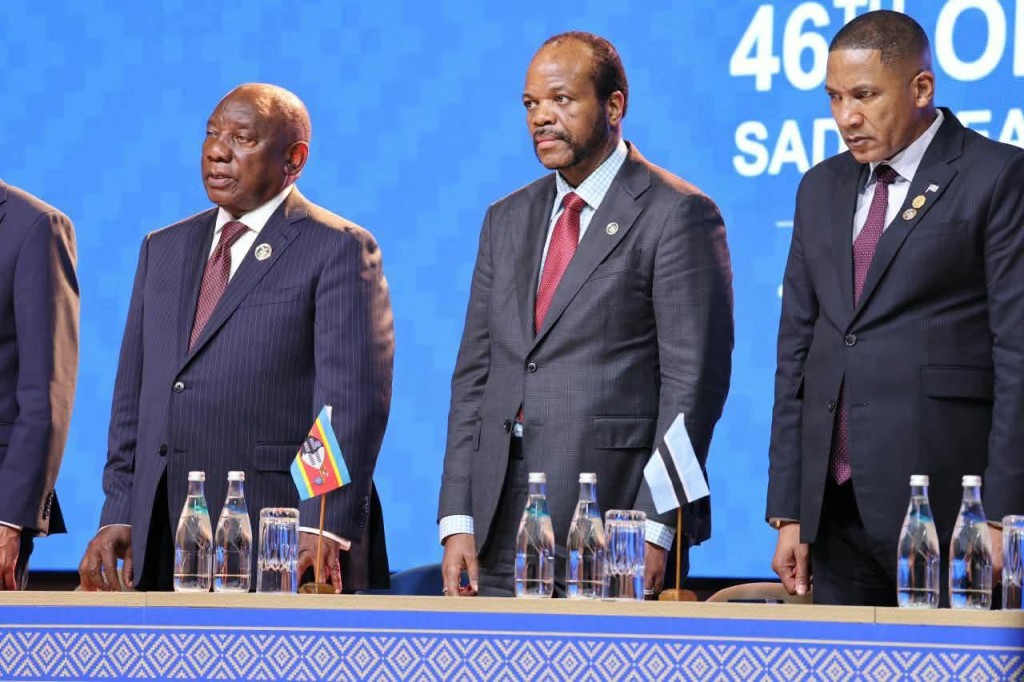
For Eswatini, participation in the treaty amendment process places the Kingdom within a broader regional effort to strengthen SADC’s financial and institutional foundations. A more predictable subscription system could improve the bloc’s financial planning and reduce uncertainty stemming from delayed contributions, particularly as Member States seek to advance programs that require long-term commitments.
The amendment also highlights the connection between financial governance and regional economic integration. While SADC’s objectives extend beyond financial management, the organization’s ability to deliver on its mandate depends heavily on sound financial systems, predictable revenue, and compliance with its Member States’ agreed obligations.
The significance of the treaty change will ultimately depend on how effectively the revised framework is implemented and whether it improves compliance with subscription obligations. For SADC, stronger financial discipline could provide a more stable foundation for regional programs. At the same time, for Member States, it reinforces the importance of treating regional financial commitments as part of broader economic and institutional obligations.

Other Articles

E5bn Trade Gap – Eswatini Targets Export Growth