





By: Nkosiyabusa Nsibande
At least E550,000 has been committed through the Production Incentive Scheme (PIS) 2.0 to strengthen the productive capacity of Eswatini’s textile and clothing MSMEs, with the government combining equipment grants and interest-free financing in an effort to address some capital constraints limiting smaller manufacturers. The intervention places productive investment at the center of the country’s industrialization drive, with the ultimate objective of enabling local enterprises to increase output, improve quality, and build stronger commercial operations.
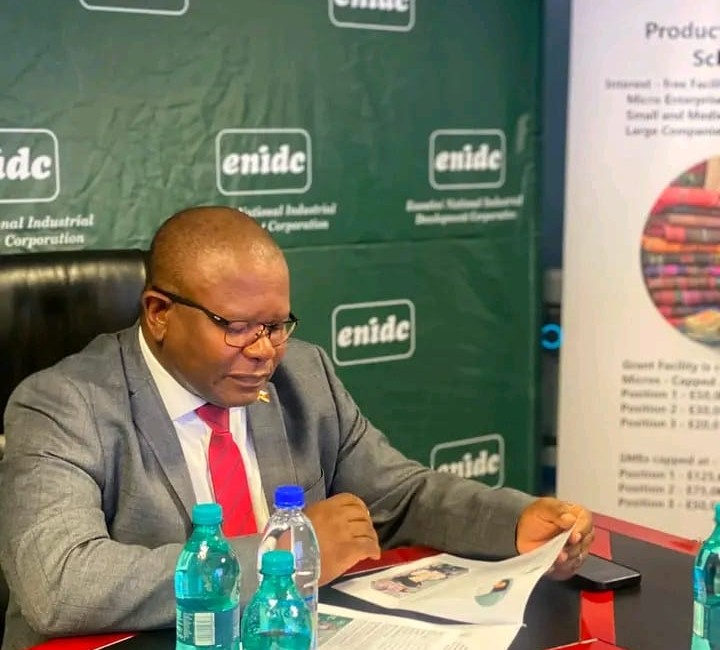
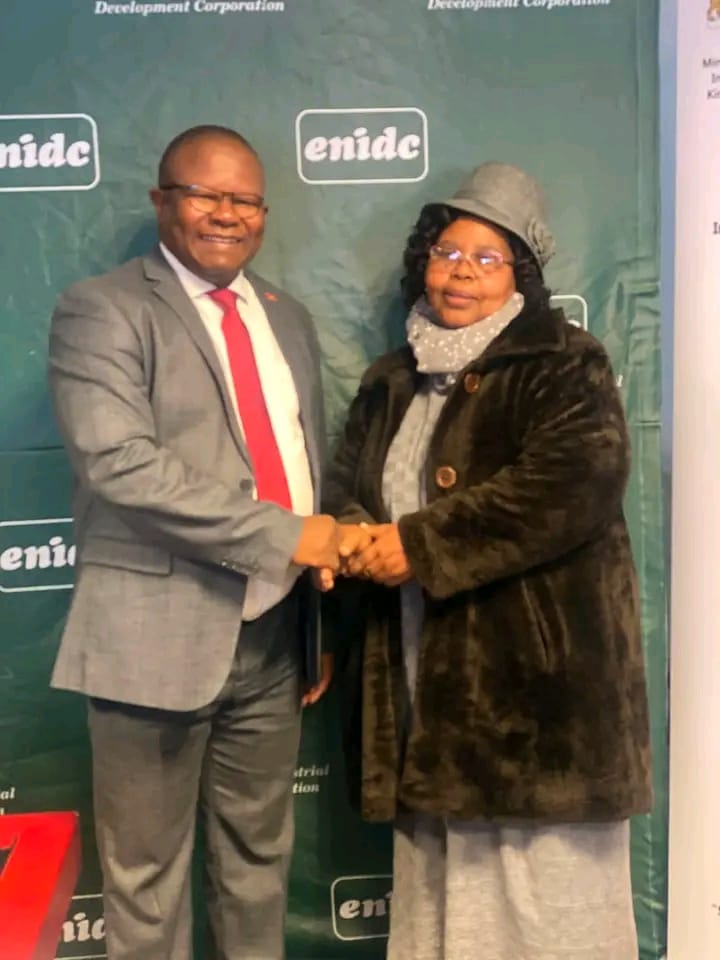
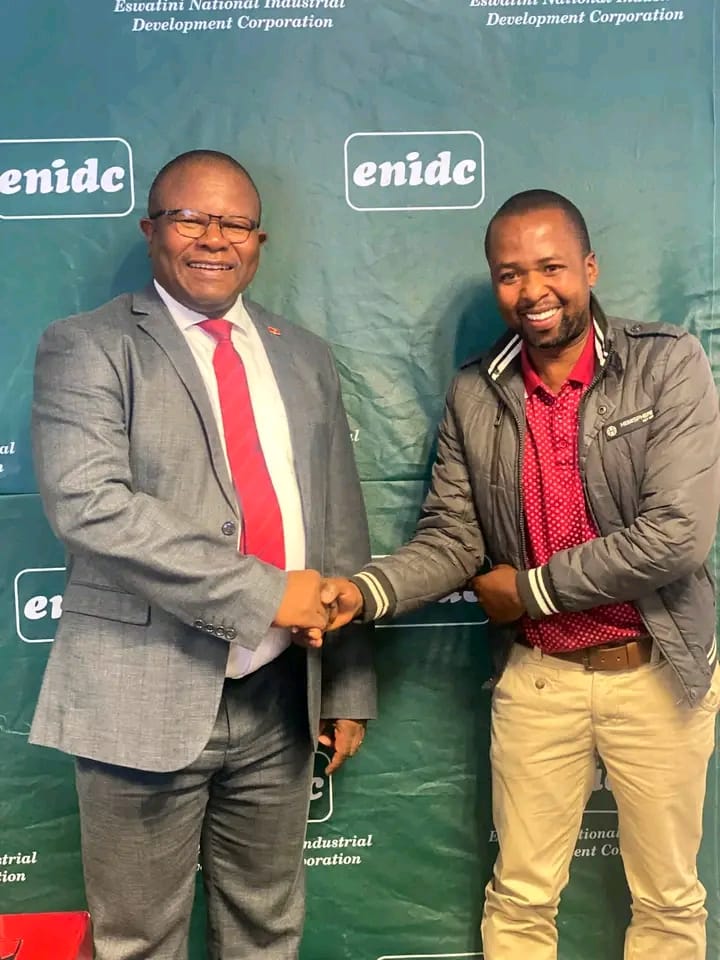
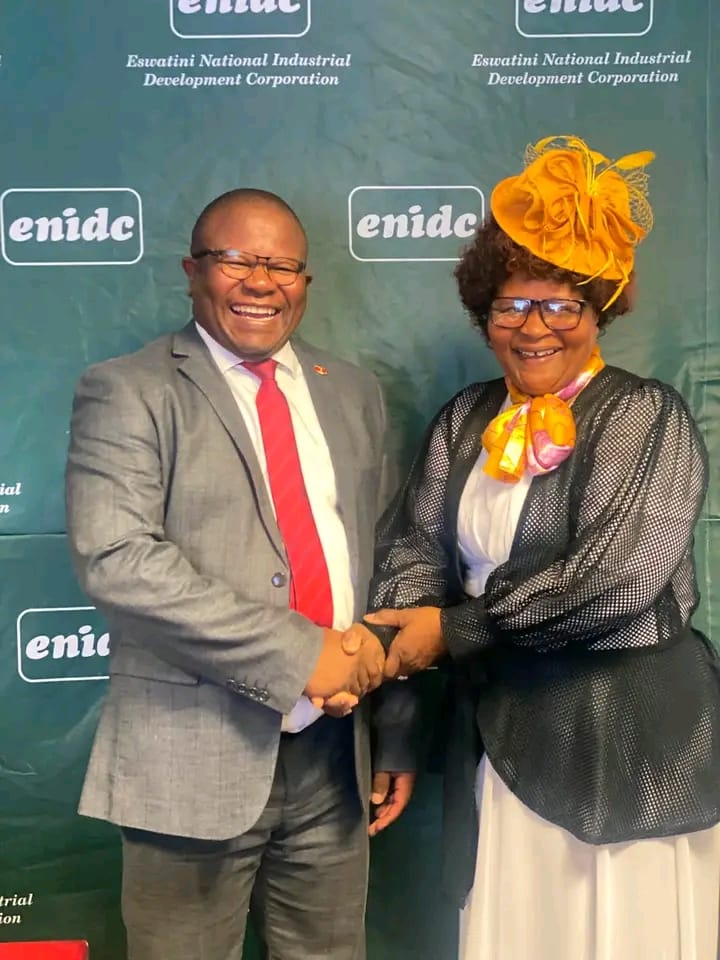
The financial support was highlighted during an engagement between Minister of Commerce, Industry, and Trade Manqoba Khumalo and beneficiaries of PIS 2.0 at the Eswatini National Industrial Development Corporation (ENIDC) offices. The meeting gave the government an opportunity to assess how beneficiary enterprises are using the support and whether the financing and equipment provided are translating into improvements in production and business performance.
Of the E550,000 committed through the two components, E350,000 has been provided in production equipment to four MSMEs, Express Textile Mills, Thuli’s Bridal Centre, V&M Creations, and Amandla Dressmaking. The investment is intended to increase the productive capacity of businesses that operate within a sector where access to modern machinery can directly influence production volumes, product quality, and the ability to meet larger or more demanding orders. The remaining E200,000 has been distributed through interest-free loans to local MSMEs over the past 12 months. Unlike conventional borrowing, where interest expenses can place pressure on already limited operating cash flows, interest-free financing allows participating businesses to direct a largershare of available funds towards productive activities such as purchasing inputs, meeting operating expenses, and expanding production. The structure also lowers the immediate cost of capital for enterprises that may otherwise struggle to secure affordable commercial financing.
The combination of grants and loans is particularly relevant for MSMEs because access to finance remains closely linked to their ability to acquire productive assets and sustain dayto-day operations. A business may have demand for its products but still be unable to grow if it lacks machinery, working capital or affordable credit. By addressing both equipment and financing requirements, PIS 2.0 is attempting to tackle these constraints simultaneously rather than treating access to capital as a single-dimensional problem.
From a public-finance perspective, however, the value of the E550,000 intervention should ultimately be measured by the economic activity it generates rather than by the amount disbursed. The equipment and financing need to translate into higher production, increased turnover, stronger enterprise balance sheets, and, where possible, additional employment. These outcomes would provide a clearer indication of whether the scheme is generating an economic return from the resources directed towards MSME development.
Minister Khumalo urged beneficiaries to utilize the support effectively to increase productivity, improve product quality, and expand their businesses. The expectation places emphasis on commercial performance and sustainability, particularly because public support can provide enterprises with an opportunity to overcome initial financing constraints, but cannot substitute indefinitely for viable business models, sound financial management, and market demand.
The potential benefits of the intervention extend beyond the four enterprises that have received equipment. A more competitive textile and clothing sector could increase demand for locally produced goods and services while creating opportunities across the wider supply chain. Increased production can support employment, procurement of local inputs, transport services, and other business activities, allowing the initial public investment to circulate through the domestic economy.
There is also an import-substitution dimension to the intervention. If supported, enterprises can produce goods of sufficient quality and at competitive prices; stronger domestic manufacturing capacity could enable more expenditure on clothing and textile products to be retained within the local economy. For Eswatini, where industrial policy is increasingly focused on expanding productive sectors and strengthening domestic enterprise participation, the ability of MSMEs to compete effectively remains an important component of broader economic transformation.