




By: Nkosiyabusa Nsibande
Eswatini recorded a sharp increase in foreign capital inflows in 2025. Still, the composition of those flows points more strongly to increased borrowing than to a broad-based expansion in foreign direct investment. According to the Central Bank of Eswatini’s Annual Economic Review Report 2025/26, the country’s “other investment” account recorded a net inflow of E6.8 billion during the year, compared with only E368 million in 2024. The increase represents a substantial shift in external capital flows into the economy, particularly through foreign loan liabilities.
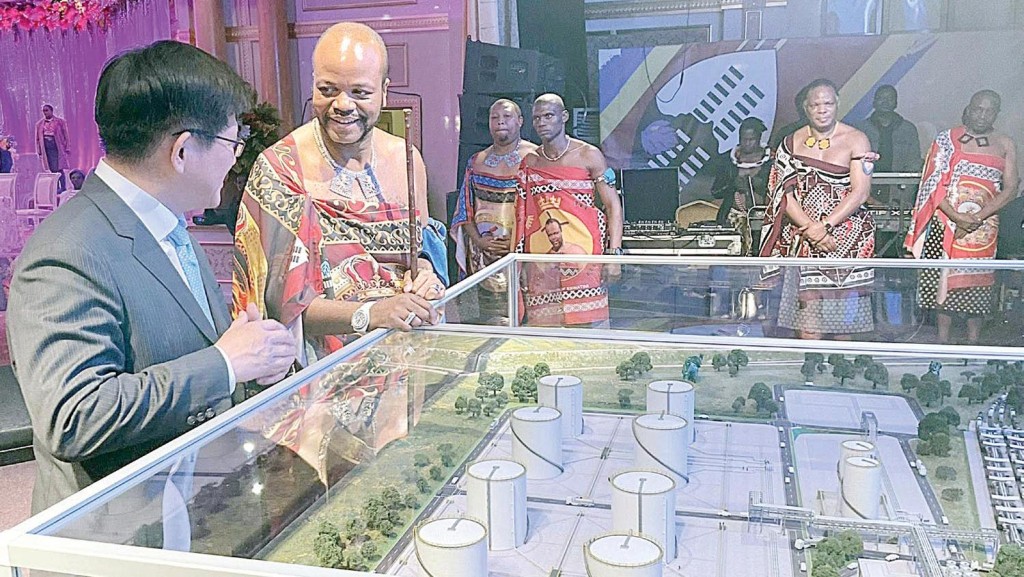
The Central Bank of Eswatini reported that the increase was largely associated with higher foreign borrowing, with net incurrence of other investment liabilities rising to E5.2 billion in 2025. A substantial portion of this increase came from loan disbursements to the general government, which increased by E4.4 billion. According to the CBE, these inflows largely reflected increased drawdowns of foreign loans for government-led projects, particularly financing for the construction of the Strategic Oil Reserve facility.
The distinction between the different forms of capital entering the country is important from a financial perspective. Foreign direct investment represents capital committed to commercial or productive activity, while a loan inflow creates a corresponding financial obligation that must ultimately be serviced and repaid. The CBE’s balance-of-payments data therefore show that the E6.8 billion increase in other investment should not be treated as equivalent to E6.8 billion in new productive foreign investment.
The balance-of-payments figures further show that direct investment remained relatively subdued compared with other forms of external financing. According to the Central Bank of Eswatini, foreign direct investment assets stood at E4.0 billion in 2025, representing a 3.1% decline from the previous year. In contrast, portfolio investment assets increased by 23.4% to E36.7 billion, with the CBE attributing the increase partly to pension funds and asset managers seeking higher returns through foreign investments.
This divergence is significant because it shows that capital is moving across Eswatini’s financial borders without necessarily translating into an equivalent increase in direct investment in domestic productive capacity. The Central Bank’s figures indicate that the strongest increase came through loan-related and other financial flows, while direct investment assets declined. For the economy, the ultimate value of these inflows will therefore depend on how effectively the capital is converted into productive assets, infrastructure, and economic activity.
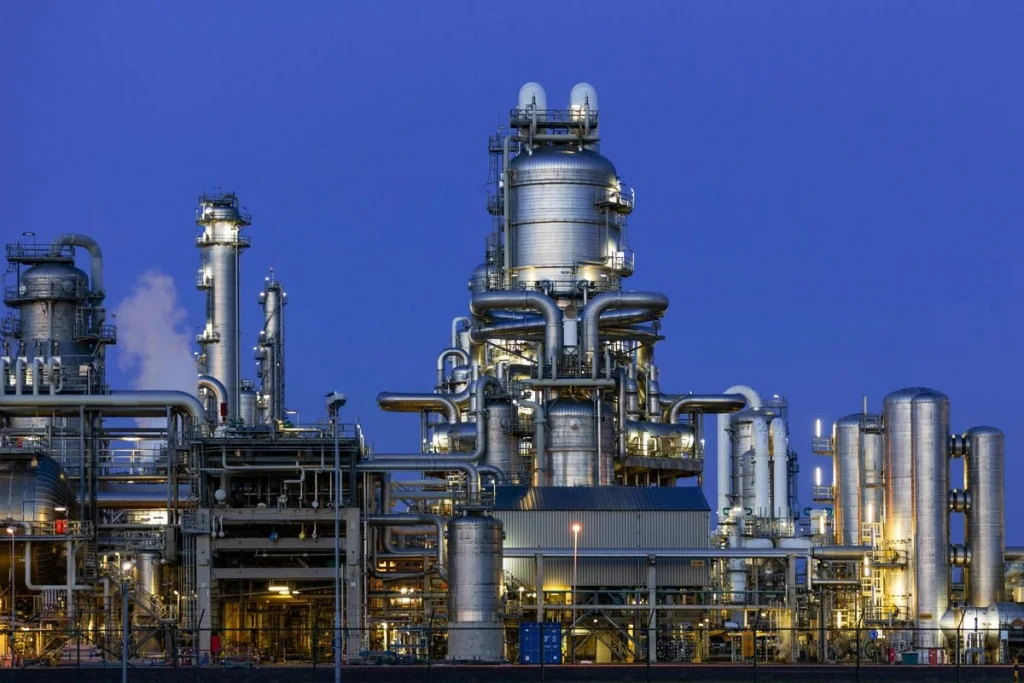
The Strategic Oil Reserve illustrates the link between foreign borrowing and large-scale infrastructure investment. The CBE reported that increased foreign loan disbursements were largely associated with government-led projects, with financing for the Strategic Oil Reserve identified as a major driver of the increase. Such financing can contribute to economic development by improving productive capacity through infrastructure, but the financial return ultimately depends on the implementation, utilization, and economic benefits generated by the projects.
Eswatini’s external position nevertheless strengthened during the year. According to the Central Bank of Eswatini, foreign reserve assets increased by E2.8 billion in 2025, compared with E1.04 billion in 2024. The increase was mainly driven by an E2.1 billion rise in currency and deposits and a further E953.6 million increase in holdings of foreign debt securities. The CBE said the accumulation of reserve assets strengthened the country’s external position and reserve buffers.
The country also maintained a positive international investment position. The CBE reported that Eswatini’s net international investment position increased to E25.9 billion in 2025, from E20.7 billion in 2024 and E18.3 billion in 2023. External financial assets increased by 12.2% to E67.9 billion, while external financial liabilities grew by a slower 6.5% to E50.3 billion.
However, the composition of these external assets remains important. According to the Central Bank, portfolio investment assets reached E36.7 billion, accounting for a substantial portion of total external assets. The Bank attributed the increase partly to pension funds and asset managers seeking higher returns through foreign investments. The figures suggest that Eswatini’s institutional investors are increasing their participation in international capital markets, even as foreign direct investment assets have declined.

There is therefore an important financial distinction between capital flowing through Eswatini’s financial system and capital being invested directly into Eswatini’s productive economy. The 2025 figures show that the country attracted substantial external financing. Still, a significant portion of the increase came through borrowing and other financial flows rather than a corresponding expansion in direct investment.
The development also needs to be considered alongside the country’s broader public debt position. According to the Central Bank of Eswatini, external public debt stood at E20.9 billion by March 2026, equivalent to 20.1% of GDP, representing a 28.4% increase from March 2025. The Bank attributed the increase mainly to sustained drawdowns on ongoing and new project loans, the JSE bond program, and budget-support loans.
The increase in external financing is therefore taking place alongside a significant expansion in the government’s external debt stock. This shifts the financial focus from simply securing access to foreign capital towards ensuring that borrowed funds are directed towards projects capable of supporting future economic activity and strengthening the country’s ability to meet its repayment obligations.
For the private sector, the distinction is equally important. Productive foreign investment can increase the domestic capital base, introduce new technology, establish production facilities, and deepen local supply chains. Foreign borrowing can also finance economically valuable infrastructure, but it carries a different financial burden because the borrowed principal and associated financing costs must eventually be serviced.

The Central Bank of Eswatini’s 2025 balance-of-payments figures therefore present a mixed picture of the country’s external financing position. Eswatini strengthened its reserves, increased its net international investment position, and recorded substantial external financial inflows. However, the largest increase in external financing was concentrated in loan-related flows, while foreign direct investment assets declined.
The significance of the E6.8 billion figure lies not merely in the size of the inflow, but in the type of capital it represents and how that capital is being used. The data reported by the CBE show that Eswatini’s external financing position is expanding. Still, the country’s ability to convert borrowed and other external capital into durable productive capacity will be critical in determining whether these inflows strengthen the economy’s long-term financial position.

Other Articles

E416m Paper Exports Grow 57%
Debt: Trap or Tool?